Article content
Growing vegetables can seem simple – you plant the seeds, water them and wait for the harvest. But a successful crop is not just about care, it’s also about proper planning. Some types of vegetables do not get along, and their unsuitable combination can significantly affect plant health, yield and soil quality.
Why does the combination of vegetables matter?
Each plant has different demands for nutrients, water and soil conditions. When you plant unsuitable neighbors next to each other, they can weaken each other, spread diseases or attract pests. Let’s look at the ten most common mistakes and how to avoid them.
1. Tomatoes and potatoes
Both crops are susceptible to potato blight. Growing them next to each other increases the risk of infection.
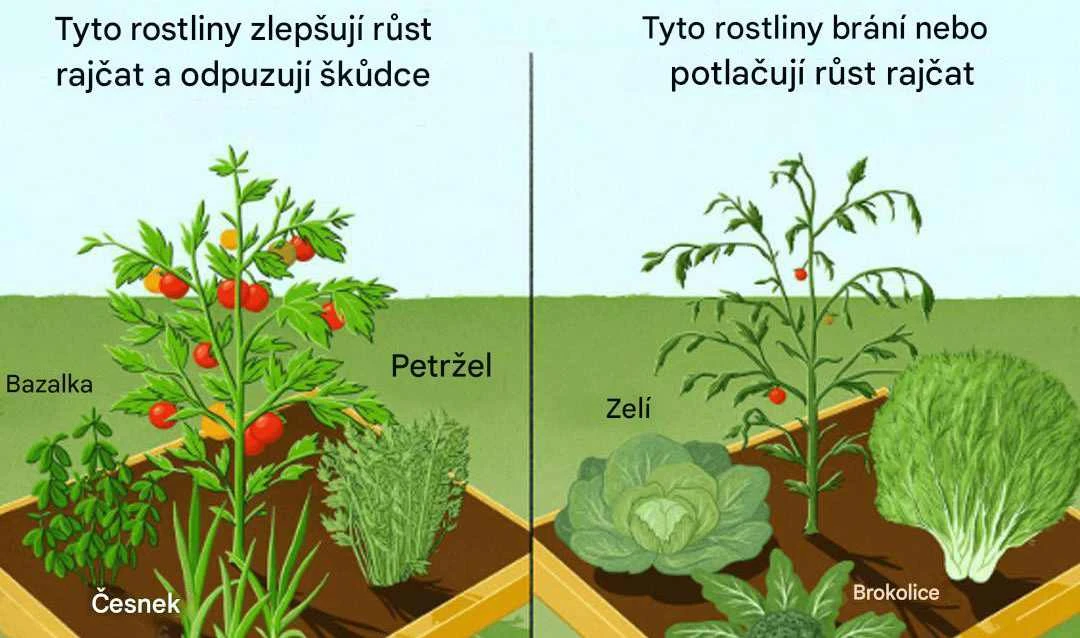
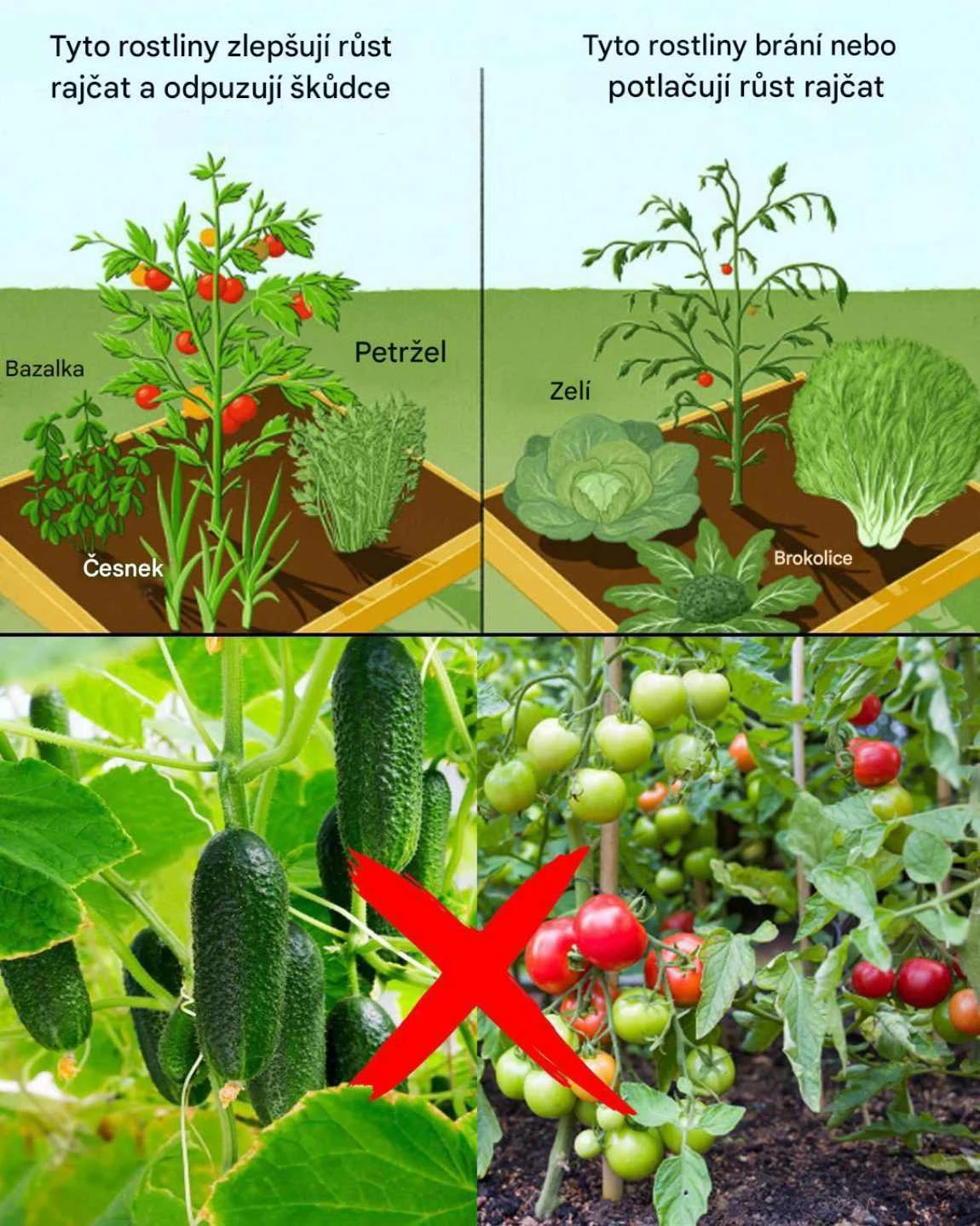
Better choice: Basil or marigold – they repel pests and support tomato growth.
2. Carrots with dill or parsley
Dill can attract the carrot fly and slow root growth.
Better choice: Combine carrots with onions or garlic.
3. Onions and legumes
Onions prevent legumes from absorbing nitrogen.
Better choice: Grow beans with carrots or beets instead.
4. Cucumbers and potatoes
Together they share pests and diseases, retain moisture – an ideal environment for fungal diseases.
Better choice: Plant cucumbers with dill or beans.
5. Peppers and beans
Both plants have similar nutrient requirements and weaken each other.
Better choice: Basil next to peppers acts as a natural booster.
6. Spinach and beetroot
Beetroot exhausts the soil before the spinach has time to grow.
Better choice: Lettuce or radishes.
7. Corn and tomatoes
Both attract the same pests – the tomato worm.
Better choice: Climbing beans with corn make an ideal pair.
8. Cabbage and tomatoes
Cabbage needs moisture, tomatoes need dryness. An unsuitable pairing.
Better choice: Cabbage loves thyme or sage.
9. Zucchini and potatoes
Both quickly deplete the soil – a poor harvest.
Better choice: Zucchini benefits from being next to corn or beans.
10. Radishes and cucumbers
Radish roots can hinder the development of cucumbers.
Better choice: Carrots or lettuce.
Tips for a healthy garden
- Rotate crops so the soil doesn’t become depleted.
- Use combinations that benefit one another.
- Maintain adequate spacing – you’ll prevent diseases.
- Consider soil pH and moisture.
Conclusion: The right combinations of vegetables are the key to a bountiful harvest. Your garden will thank you for smart planning!