
Article content
A heart attack (myocardial infarction) is a serious disease that affects millions of people worldwide. Many associate a heart attack with the sudden onset of severe chest pain, but in some cases warning signs can appear up to a month before the actual heart attack. Early recognition of these signs can save lives and help you seek timely medical attention.
1. Fatigue
An unusual feeling of fatigue that lasts longer than usual can be a warning sign of narrowing coronary arteries. If you begin to notice that you are tired even without significant physical exertion, you should be alert.
2. Shortness of breath
If you find it increasingly difficult to breathe, it may be a sign of developing heart problems. It’s a signal that your heart is having trouble supplying enough oxygen.
3. Weakness
Reduced blood flow can result in a lack of oxygen throughout the body, leading to generalized weakness. This symptom may indicate heart problems.
4. Dizziness and cold sweat
If you experience sudden dizziness or develop a cold sweat, it may be due to poor blood circulation to the brain.
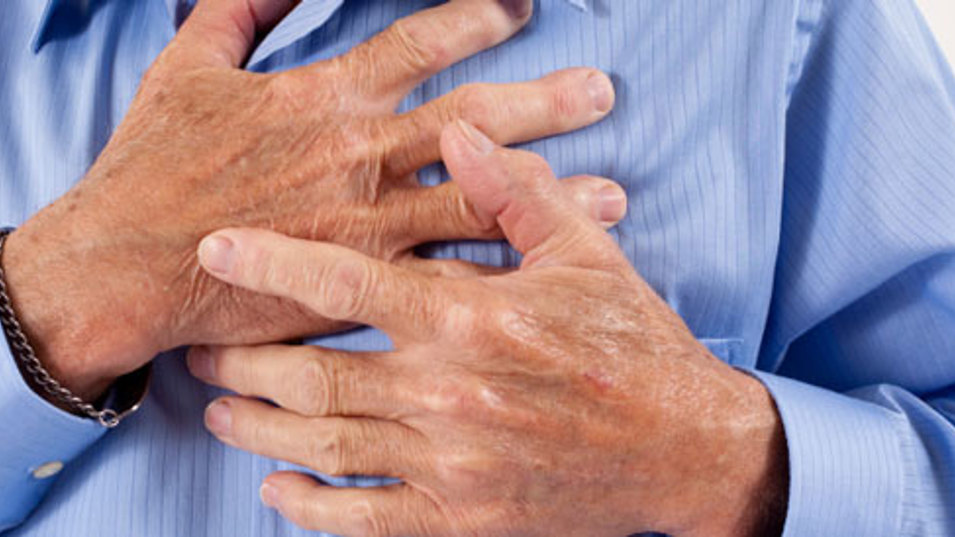
5. Discomfort or chest pain
Chest pain is one of the most common symptoms of a heart attack. If you feel pressure or pain in your chest that persists even at rest, it could indicate a problem with the heart.
6. A cold or the flu
If you feel that you experienced a cold or the flu shortly before a heart attack, it could also be a warning sign.
7. Insomnia
Insomnia is a symptom associated with an increased risk of cardiovascular disease. This condition is more common in women.
How to respond to warning signs of a heart attack?
If any of these symptoms appear, it is important not to wait but to seek medical attention as soon as possible. Timely diagnosis can help prevent a heart attack.
- Blood tests: They can reveal inflammatory markers that indicate cardiac stress.
- ECG: It helps detect irregularities in the heart rhythm.
- Chest X-ray: It can reveal enlargement of the heart or problems with the lungs.
Conclusion: How to protect yourself from a heart attack?
Early recognition of the warning signs of a heart attack can be crucial for your survival. Watch the signals your body sends and do not ignore warning signs. Regular medical check-ups and a healthy lifestyle can significantly reduce the risk of heart disease.