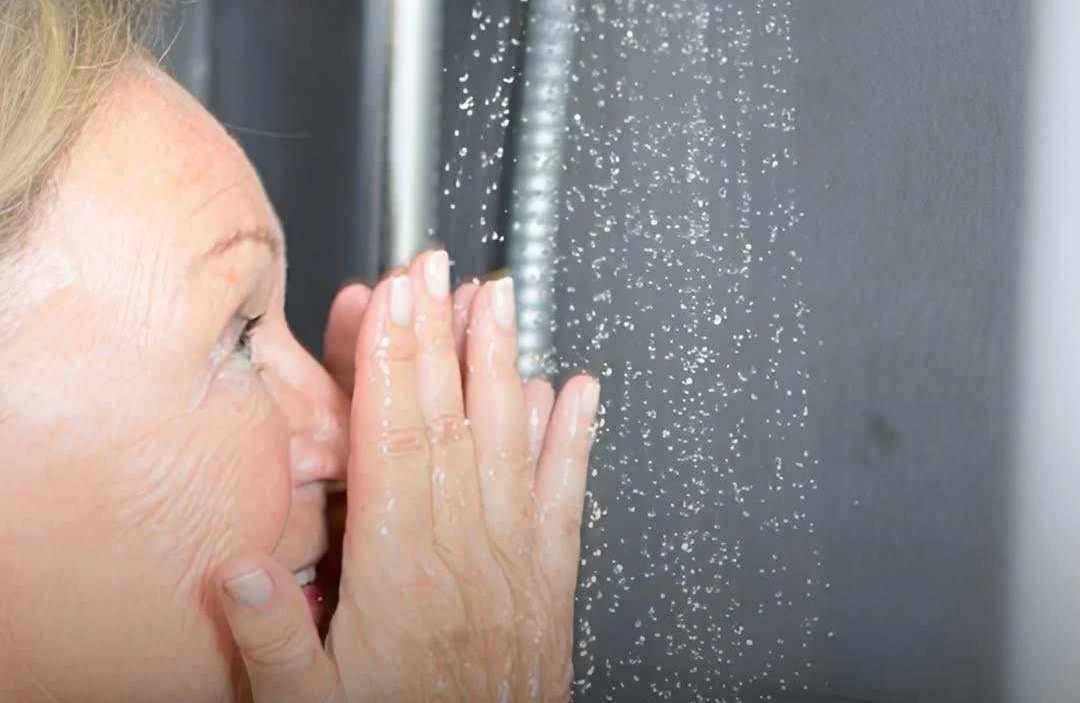
Article content
As we age, not only our bodies change but also how they respond to daily hygiene. While in younger years it is common to shower every day, after the age of 65 this habit can become a problem. Dermatologists confirm that washing too frequently can disrupt the natural protective barrier and cause dry skin, itching, or irritation.
In this article we’ll look at how often to bathe, why older skin is more sensitive, and how to properly care for hygiene in later life to keep it healthy.
Why skin changes significantly after age 65
As we age, our bodies slow down production of several key substances: collagen, elastin, and natural skin oils. The result is skin that:
- retains moisture less well,
- dries out more quickly,
- loses elasticity,
- is more prone to irritation and inflammation.
It’s similar to washing a delicate sweater too often — the fibers weaken and are more easily damaged. Aging skin reacts the same way.
Why washing too often is harmful: what dermatologists say
Daily showers can be too stressful for older skin. Hot water, long showers, and fragranced soaps disrupt the natural lipid film that protects against:
- bacteria and infections,
- excessive drying,
- skin cracking,
- the development of flaking and itching.
Many seniors describe sensations such as “tightness of the skin”, “burning”, “roughness”, or “flaking”, without knowing that the cause is often excessive hygiene.
How often should people over 65 shower?
Dermatologists recommend 2–3 showers per week. This frequency is safe, gentle, and fully sufficient.
What to do on days without a shower?
Simply the so-called “partial hygiene” is enough:
- wash the underarms,
- intimate areas,
- feet,
- neck and nape.
This method keeps you clean without unnecessarily drying out the skin.

How to care for skin when showering: 6 important rules
- Use lukewarm water, not hot.
- Shower for a maximum of 5 minutes.
- Choose gentle, moisturizing products without fragrance.
- Do not use rough sponges or brushes.
- Gently pat the skin dry after the shower.
- Apply a moisturizing cream within 3 minutes.
How it’s handled in Europe
In many nursing homes it is common to shower less often, not out of neglect but out of consideration for sensitive skin. Caregivers pay attention to:
- short, lukewarm showers,
- regular moisturizing,
- a gentler form of daily hygiene.
Frequently asked questions (FAQ)
Is a daily shower after 65 harmful?
Often yes. It can disrupt the skin’s protective barrier.
Is partial hygiene enough?
Yes. For regular days it is completely sufficient.
What about in summer?
Showering can be adjusted slightly as needed, but the rules still apply: be quick, use lukewarm water, and moisturize.
What harms the skin the most?
Hot water, long showers, fragranced soaps, and rough washing tools.
Conclusion
Changing hygiene habits in later life is not neglect. On the contrary — it is a way to protect the skin, prevent irritation, and improve overall comfort and quality of life. Showering 2–3 times a week is ideal for most people over 65.