Article content
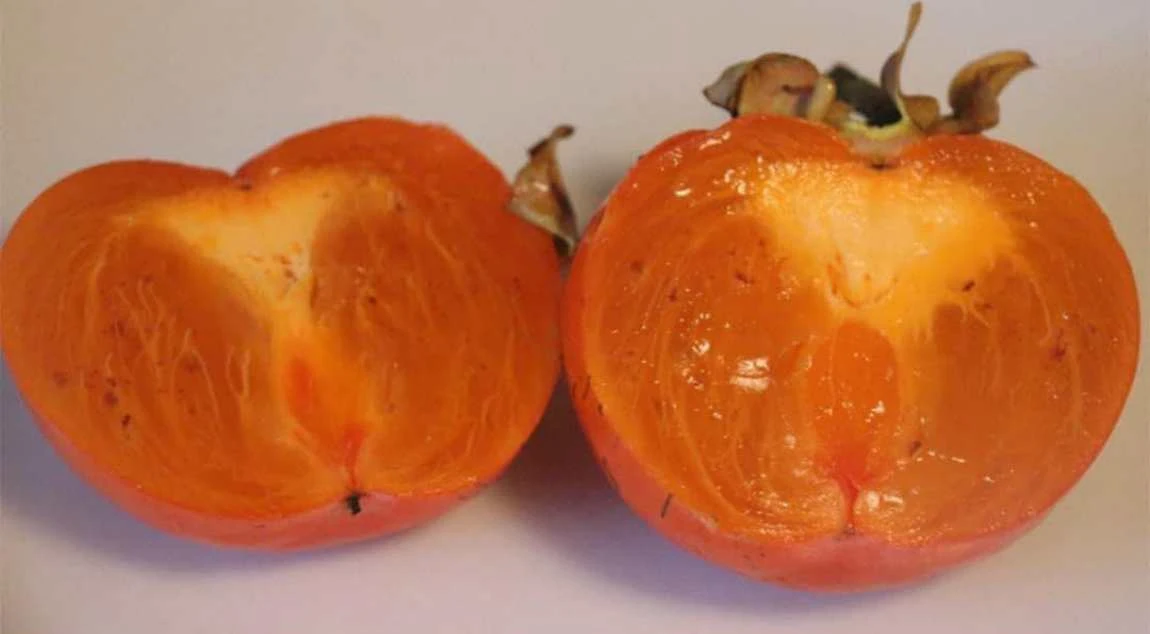
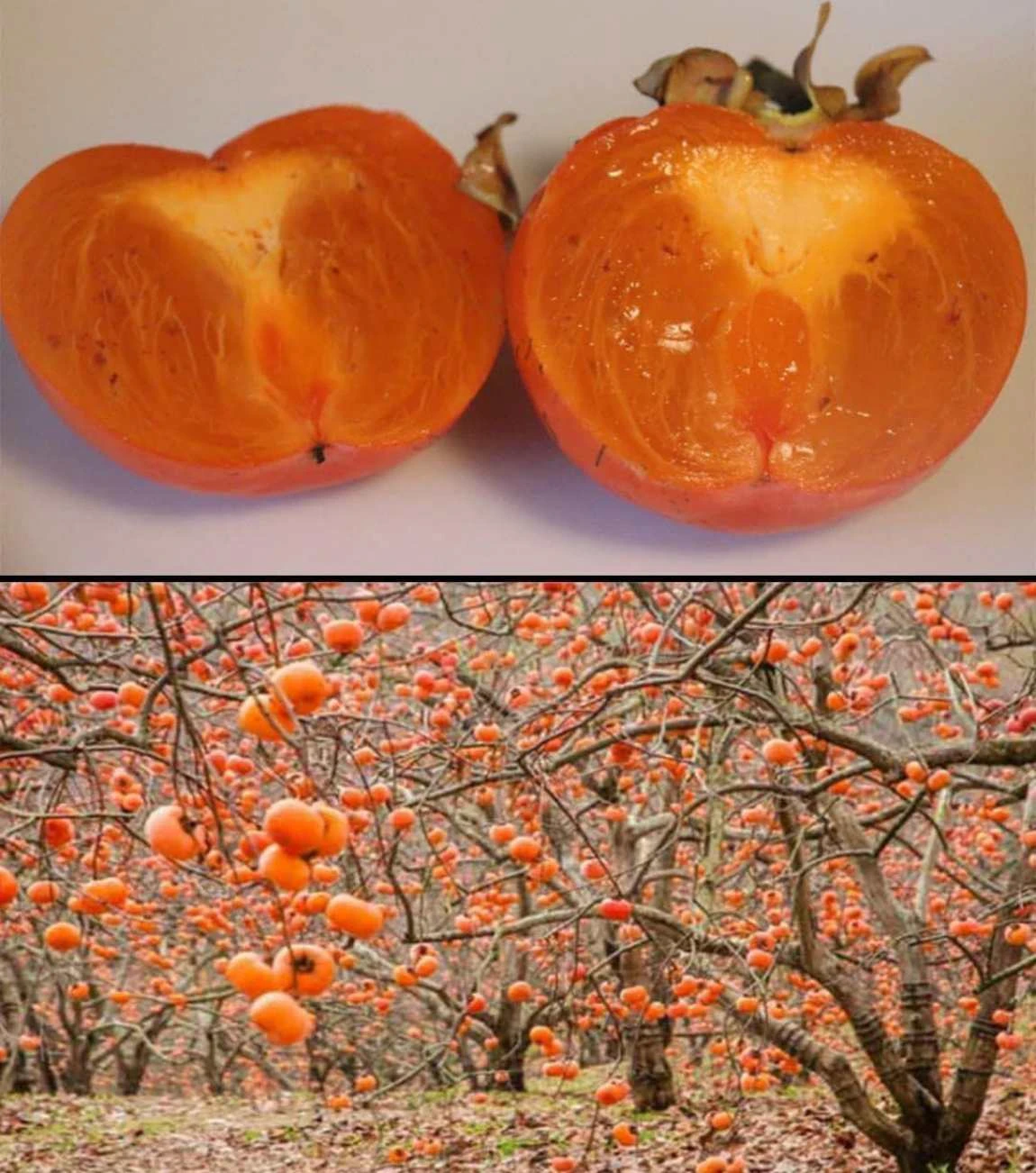
Kaki, also known as churma or Japanese persimmon, is among the healthiest types of fruit that should definitely not be missing from your diet. This orange, glossy fruit originates from China, where it was considered for centuries a symbol of longevity and health. Today it is grown around the world and, thanks to its sweet taste and nutritional value, is becoming increasingly popular here as well.
Kaki is rightly called the fruit of the gods – not only for its taste but also for its rich content of antioxidants, vitamins and minerals that strengthen immunity, improve digestion and protect the heart.
🌿 Why include kaki in your diet
Kaki is not just a sweet fruit that delights the taste buds, but literally a natural multivitamin.
1. Reduces acidity of the blood and stomach
Kaki is among alkaline-forming foods, which means it helps neutralize excess acids in the body. Because of this it supports the body’s balance, improves digestion and can also help with heartburn.
2. Strengthens immunity and increases energy
It contains high amounts of vitamin C, A and B vitamins, which support the body’s defenses, contribute to healthy skin and help the body better cope with stress.
3. Rich in antioxidants
Kaki is a natural source of flavonoids and carotenoids, which protect cells from damage by free radicals. Regular consumption may help prevent lifestyle diseases such as heart disease or diabetes.
4. Support for heart and vascular health
Flavonoids, especially quercetin and kaempferol, have demonstrable effects on cardiovascular health. They lower levels of “bad” LDL cholesterol, reduce inflammation and improve vessel elasticity.
5. Healthy eyesight and younger-looking skin
Thanks to its high content of vitamin A and beta-carotene, kaki supports retinal health, improves visual acuity and helps keep skin elastic and hydrated.
How to eat kaki
- The easiest is to eat it with a spoon like a kiwi – cut the fruit in half and scoop out the soft flesh.
- Add it to smoothies, salads or desserts.
- It also goes great in sweet porridges, with yogurt or as an accompaniment to cheese and nuts.
- Dried kaki can be used as a healthy snack that provides energy and satisfies hunger.
Tip: Unripe kaki can taste astringent – let it ripen for a few days at room temperature before you eat it.
Kaki – the fruit of the gods from Asia
In Asia, kaki is considered a symbol of longevity, harmony and health. It contains compounds that support the health of the heart, liver, eyes and brain. At the same time it has detoxifying effects – helping the body eliminate toxins and improving liver function.
It is therefore no wonder that it is nicknamed the fruit of the gods. Regular consumption brings the body vitality, energy and inner balance.
⚠️ What to watch out for
- Unripe fruits can be astringent due to tannins – always consume kaki when it is soft.
- Diabetics should limit consumption due to its natural sugar content.
- Kaki should not be eaten on an empty stomach with milk – it can cause unpleasant digestive problems.
Summary
Kaki is a fruit that combines taste, beauty and health. It supports the heart, blood vessels, digestion and eyesight, protects cells from aging and strengthens the immune system. It rightfully deserves a place among nature’s most precious gifts.
Try kaki and include it in your diet – not only will you enjoy its taste, but you will give your body real nutrition and protection.
👉 Follow our page, give a like 👍, share this article and help spread awareness of the natural gifts that can benefit the health of you and your loved ones.