Article content
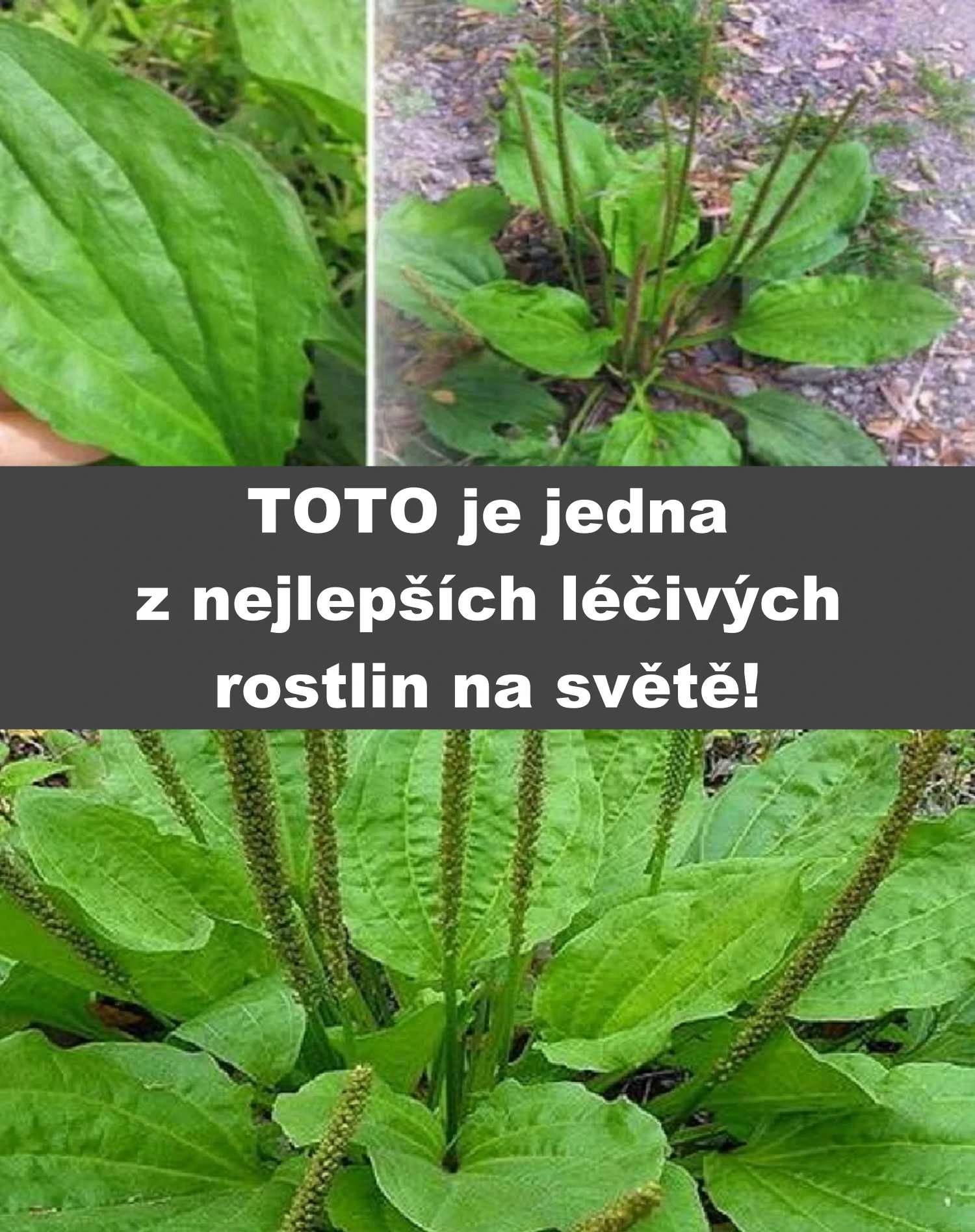
Many people today consider it just a common weed growing along roads. In fact, plantain (Plantago) is one of the most valuable medicinal plants in the world, used in folk medicine for centuries. You can find it almost everywhere – in meadows, gardens and on sidewalks – and yet its effects are often forgotten.
Why you should know plantain
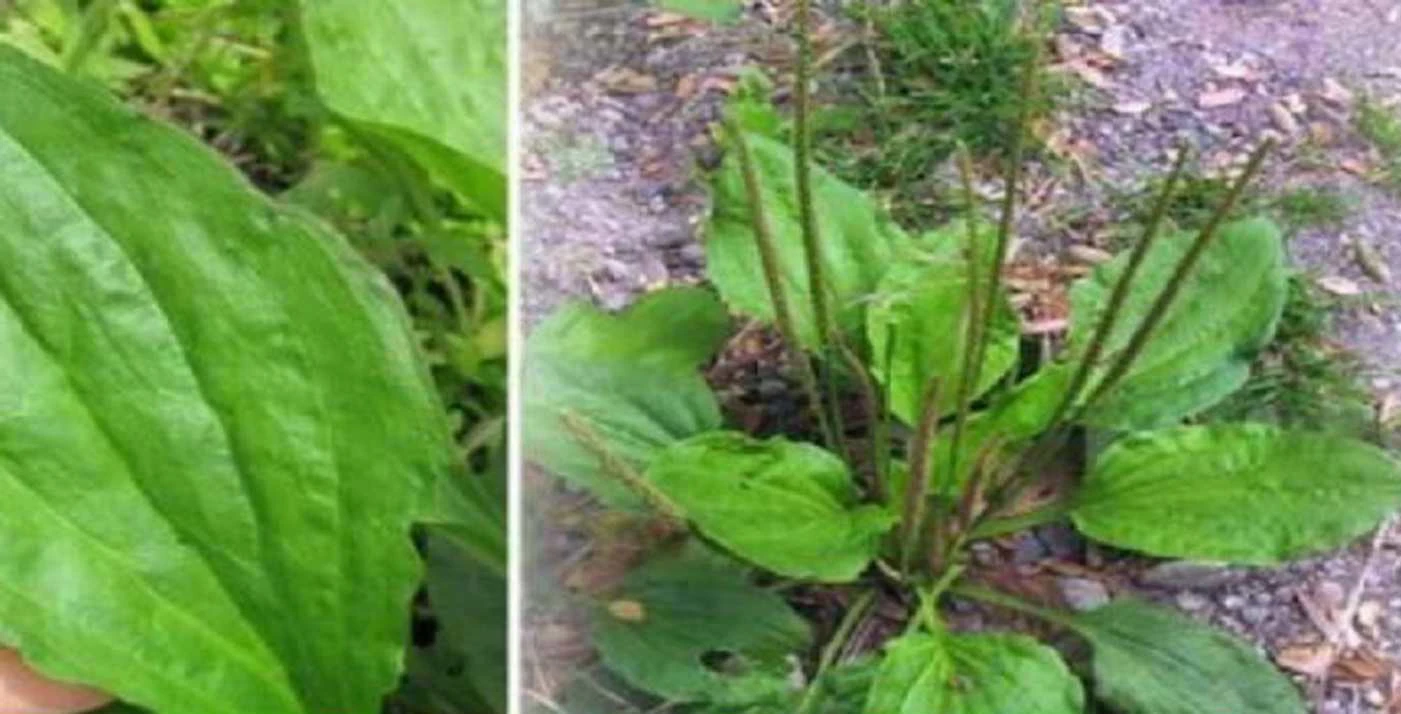
Plantain exists in several species, the best known are ribwort plantain and greater plantain. Both are used in herbalism, however greater plantain with broad leaves is preferred due to higher efficacy.
It contains abundant amounts of calcium, vitamin K, vitamins A and C and a range of minerals that strengthen immunity and contribute to the health of blood vessels and bones.
Medicinal effects of plantain
Plantain is a natural antibiotic and anti-inflammatory herb. It works in many ways – internally and externally:
- Respiratory tract: It helps with coughs, bronchitis and sore throats. It is part of many syrups.
- Wounds and skin: A fresh plantain leaf is traditionally applied to cuts, insect bites or burns – it acts as a disinfectant and speeds up healing.
- Digestion: It supports stomach and intestinal function, helping with inflammation and diarrhea.
- Immunity: Thanks to its high vitamin C content and antioxidants, it strengthens the immune system.
Two clinical studies from Bulgaria confirmed that plantain is also effective in chronic bronchitis, because it creates a protective film on the mucous membranes and reduces irritation.
How to prepare plantain tea
Plantain can be used not only fresh but also dried. Plantain tea is simple and effective.
Ingredients:
- 1 tablespoon of fresh or dried leaves
- 1 cup of hot water
- honey to taste
Method: Pour boiling water over the leaves, let steep for 10 minutes and then strain. You can sweeten with honey, which supports the effect against coughs and colds.
Use: Drink 1–2 cups daily for colds, flu or stomach problems. The tea is also suitable as a gargle or as a compress for the skin.
Other uses of plantain
- Compresses: Slightly crush a fresh leaf and apply it to the wound.
- Tonic: A decoction of the leaves can be used to wash skin prone to acne or eczema.
- Syrup: From fresh leaves and honey you can make homemade plantain cough syrup.
Warning
Although plantain is safe, pregnant and breastfeeding women are not advised to use it in larger amounts, because sufficient studies for this use are lacking.
Conclusion
Plantain is one of the best medicinal herbs that we literally have „at hand“. Yet many people consider it a weed. If you learn to use its effects, it can become first aid for coughs, wounds, digestive problems, and weakened immunity.
Don’t forget – nature offers solutions that we’ve sometimes needlessly forgotten.