
Article content
Thyroid gland is a small organ at the front of the neck that significantly affects the health of the whole body. It produces hormones that regulate metabolism, energy, growth, and proper functioning of the nervous system. Disorders of its function occur today more often than many think. Fatigue, changes in weight, hair loss, or memory problems may be signs that your thyroid is not working properly.
American physician Dr. Broda Barnes devoted much of his life to researching the endocrine system and especially decreased thyroid function – hypothyroidism. He argued that it is more common than officially stated and that it may be behind a number of other health problems. Therefore he developed a simple home testing method known as the Barnes basal temperature test.
What is the Barnes test and how does it work?
The test is uncomplicated and you can perform it yourself at home. It involves measuring the morning basal body temperature, which can reveal whether your thyroid is functioning properly.
Test procedure:
- Prepare a thermometer the night before going to bed (for a classic mercury thermometer, shake it down to 35 °C beforehand).
- In the morning after waking, before you get out of bed, place the thermometer under your armpit.
- Measure for at least 10 minutes (for a digital thermometer until the signal, an infrared ear thermometer is even more accurate).
- Write down the measured value – that determines your basal temperature.
Normal basal temperature ranges between 36.6 and 36.8 °C.
How to interpret the results?
- 36.6 to 36.8 °C – your thyroid is functioning properly.
- Below 36.6 °C – this probably indicates hypothyroidism, i.e. reduced thyroid function. This condition may be accompanied by fatigue, sensitivity to cold, dry skin, or memory problems.
- Above 36.8 °C – this may indicate hyperthyroidism, i.e. increased thyroid activity, or the presence of inflammation in the body.
For the most accurate result it is recommended to perform the test for at least 3 consecutive days.
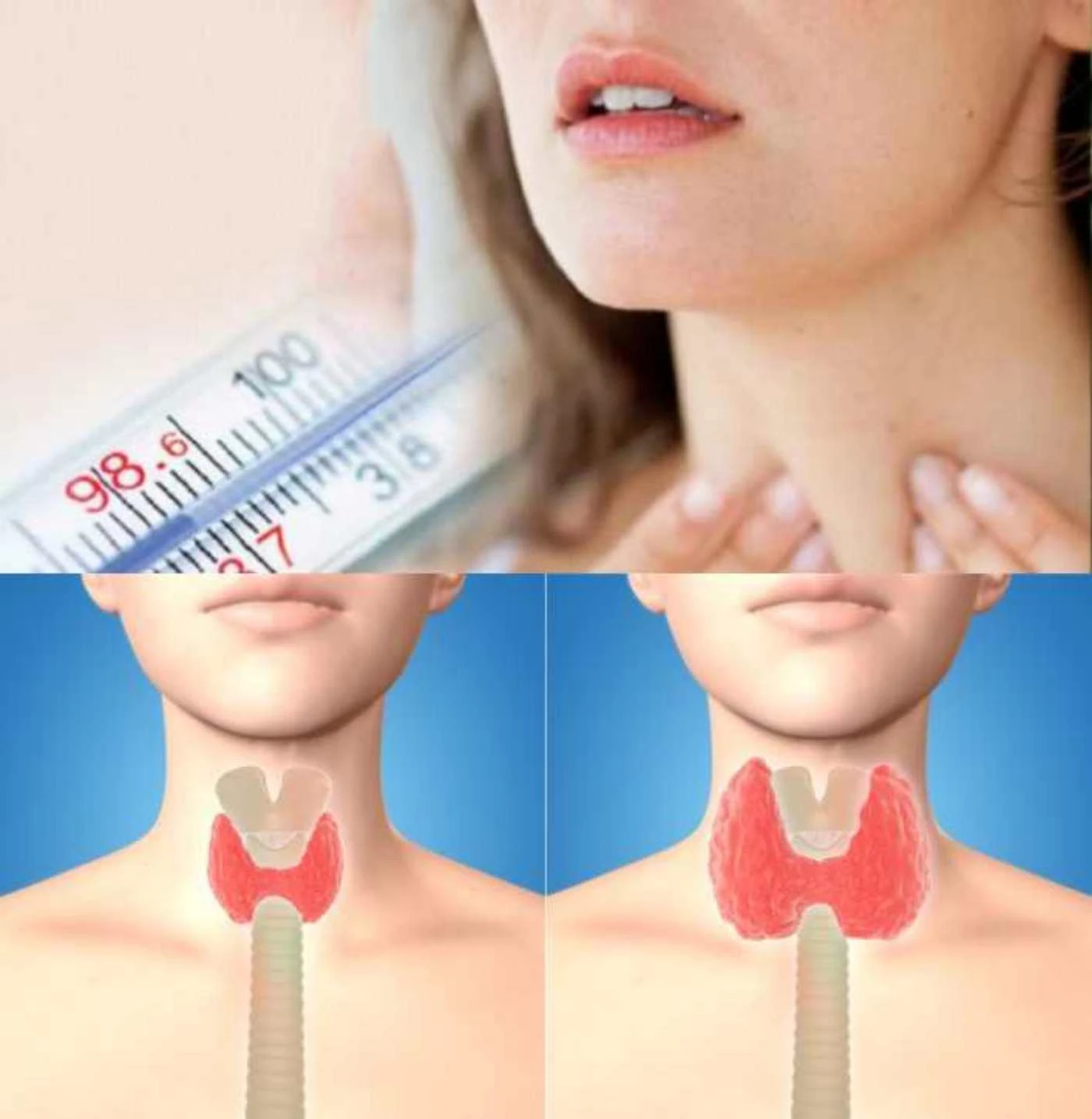
Why is proper thyroid function important?
Hypothyroidism can lead to weight gain, feeling cold, and long-term fatigue. Hyperthyroidism, on the other hand, causes weight loss, heart palpitations, sweating, and nervousness. In both cases it is necessary to see a doctor and undergo laboratory testing.
How to support thyroid health naturally?
- Iodine – found in sea fish, seaweeds, or iodized salt.
- Selenium – an important mineral found in Brazil nuts and sunflower seeds.
- Vitamin A and B vitamins – support metabolism.
- Magnesium – essential for the nervous system and hormonal balance.
- Stress reduction – stress has a direct impact on hormonal balance.
Conclusion
The Barnes test is a simple way to get an idea of your thyroid’s function. It is not an official diagnostic method, but it can alert you to a problem that should be checked by a doctor. Early diagnosis and proper treatment can prevent complications and restore the body’s necessary balance.