Article content
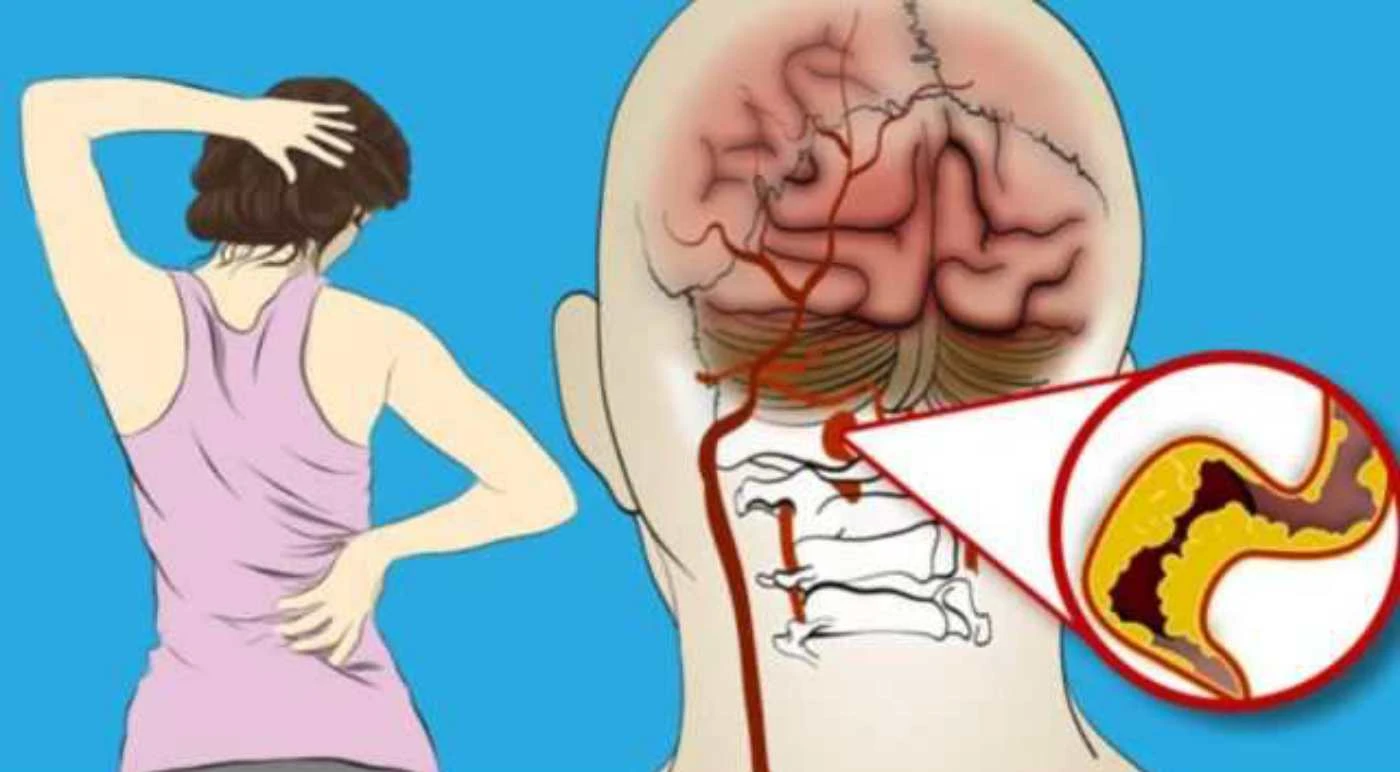
Stroke and heart attack are among the greatest health threats today. Although they often seem sudden and unexpected, our body may send us warning signs weeks, or even months in advance. If you pay attention to them, you can significantly reduce the risk and seek help in time.
Why it’s important not to ignore the signals
Many people believe that a stroke or heart attack comes without warning. The truth is different – as with other diseases, certain symptoms can appear here as well that can be recognized. If we ignore them, we may expose ourselves to the risk of permanent paralysis or even death.
The most common warning symptoms that may appear
If you notice any of the following symptoms, you should become alert and seek professional help as soon as possible.
1. Shortness of breath
A feeling that you have difficulty breathing even without physical exertion can indicate a problem with the heart or blood vessels. If this condition persists for several days, it is a serious warning sign.
2. Unexplained pain
Pain without a clear cause that appears in various parts of the body should never be underestimated. It may signal circulatory problems.
3. Fatigue and malaise
If you feel chronically exhausted, weak, or experience sudden fainting spells, it may be a harbinger of an approaching stroke.
4. Hallucinations and confusion
An overloaded brain can react with hallucinations or confused thoughts. These symptoms are always a reason to see a doctor.
5. Seizures
The early stage of a stroke can be accompanied by short seizures of varying intensity. If they recur, it’s a clear warning sign that the body is not well.
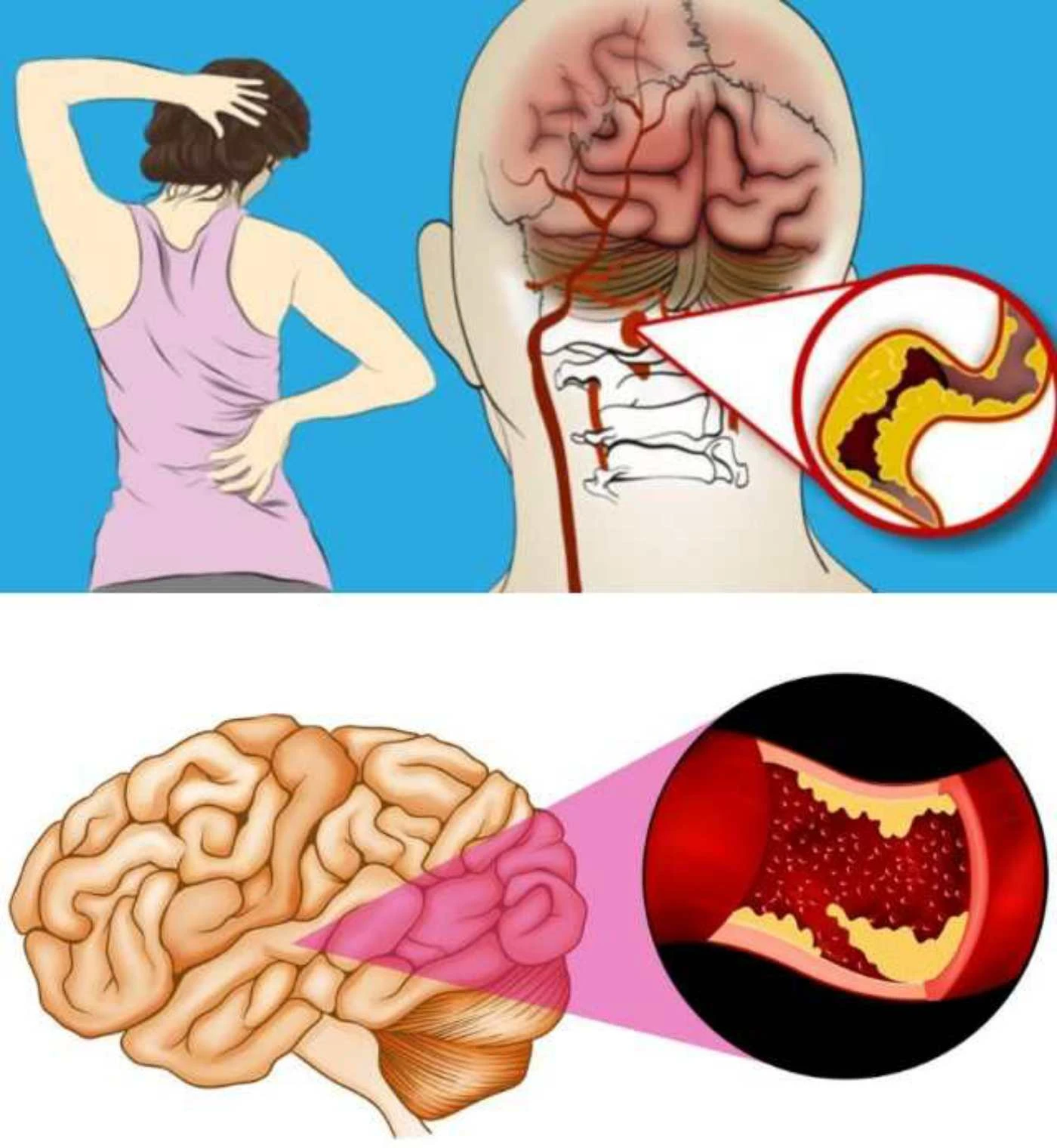
What are the typical symptoms of a heart attack and stroke
If the warning signs are overlooked, the illness strikes in full. Even then it is possible to act if you can recognize the following symptoms:
- drooping of the corner of the mouth or eyelid,
- tics in the face and eyes,
- incoherent speech,
- sudden memory lapses,
- tongue deviated to one side,
- flaccid arms or legs, often on one side,
- severe headache worse than a migraine,
- sudden numbness or tingling of the face or limbs.
How to reduce the risk
Prevention plays a key role. A healthy lifestyle, sufficient exercise, a balanced diet and reduction of smoking and alcohol significantly lower the likelihood of these diseases. If regular medical check-ups are added, the chances of early detection of risk increase even more.
Conclusion
Heart attack and stroke do not only threaten older generations – they are increasingly occurring in younger people as well. Therefore pay attention to the warning signs your body gives, which can come even a month before the actual event. A quick reaction and timely help can not only save your life, but also prevent permanent consequences.