Article content
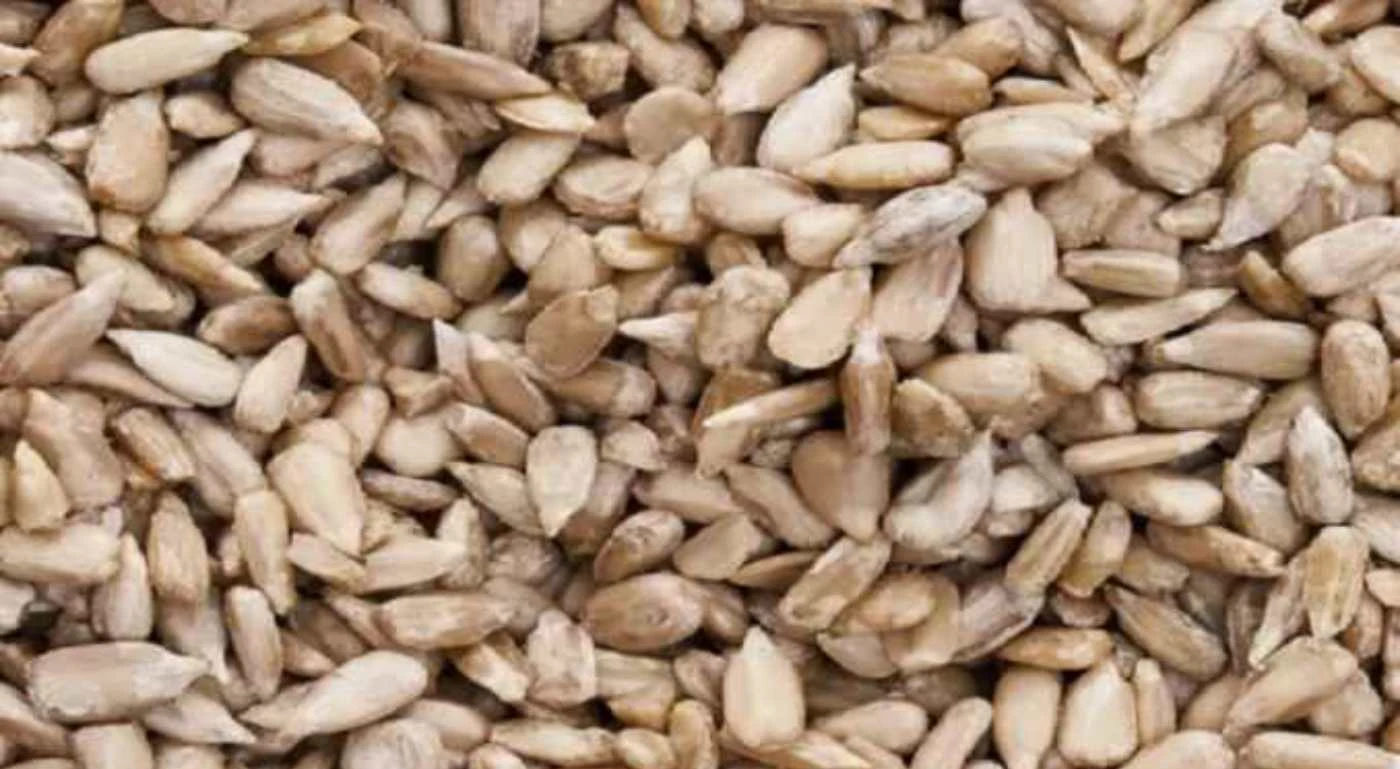
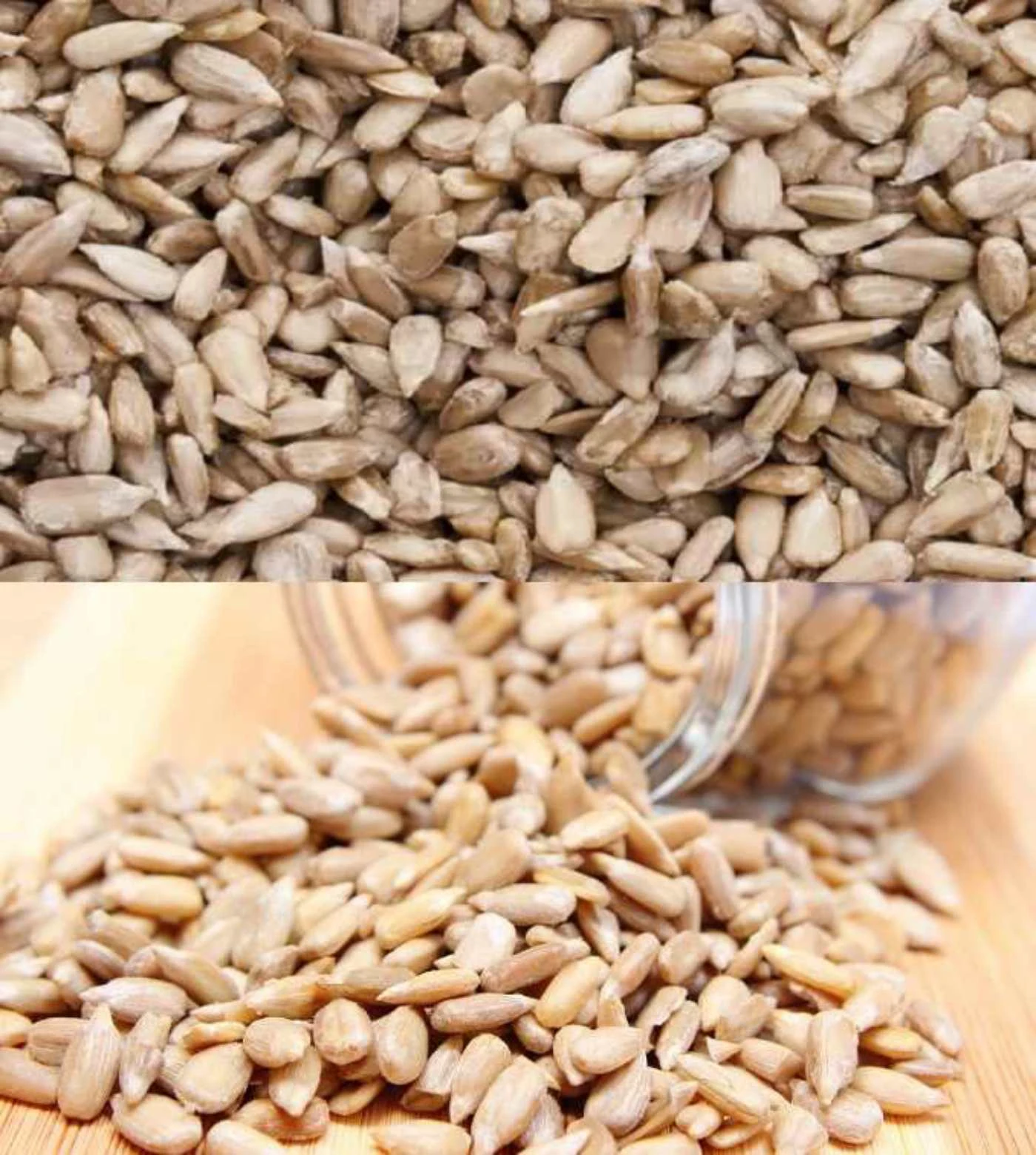
Sunflower seeds are among the most popular „healthy“ snacks: they are rich in vitamin E, unsaturated fatty acids, protein and minerals. Nevertheless, in recent years warnings have appeared about possible contamination with aflatoxins – toxic substances produced by some types of mold. This article clearly explains where the risk comes from, how to minimize it, how many seeds make sense to eat per day and how to choose and store them safely. In addition, we will touch on the issue of the n-6:n-3 ratio of fatty acids and the context of cancer prevention.
Briefly: Seeds can be nutritious, but improper cultivation, drying and storage can lead to contamination with aflatoxins. Key factors are quality, origin, freshness, proper storage and a reasonable portion.
What aflatoxins are and why they should concern us
Aflatoxins are natural toxins that can be produced by molds of the Aspergillus genus (especially A. flavus and A. parasiticus). They arise primarily in warm and humid climates and can contaminate a range of crops – from maize and peanuts through pistachios to some oilseeds including sunflower seeds. Long-term, high exposure to aflatoxins is associated with an increased risk of liver damage and certain cancers (especially liver cancer).
Are sunflower seeds carcinogenic?
The seeds themselves are not a “carcinogenic food”. The problem occurs if they are contaminated with aflatoxins (typically due to inadequate drying and storage). Studies from various regions show that the level of contamination varies greatly depending on origin and processing quality. Therefore, the choice of a reliable supplier and proper handling after purchase are decisive.
Sunflower oil, n-6 fatty acids and breasts: what scientists are studying
Sunflower oil is rich in polyunsaturated n-6 fatty acids. They are not “bad” fats, but a diet with a marked excess of n-6 over n-3 (omega-3 from fish, flax and chia seeds) can promote inflammatory processes. Some analyses therefore point to associations between an imbalance in n-6:n-3 and the risks of certain diseases, including breast cancer. The key is balance – don’t rely solely on plant oils high in n-6 and instead increase n-3 intake.
How to choose “safer” sunflower seeds
- Prefer reputable brands with clear origin and regular mycotoxin testing.
- Organic can be a plus, but the most important thing is proper drying and storage – ask about the process.
- Choose whole, undamaged seeds without a musty or “moldy” smell.
- Prefer smaller packages with a shorter shelf life – you’ll eat them faster and there’s less risk of moisture.
- Opt for freshly roasted with a stated roasting date; ideally consume them within weeks.
How to store seeds correctly (home mold prevention)
- Store in an airtight container in a cool, dry and dark place.
- In summer or for long-term storage consider the refrigerator or freezer (airtight).
- Protect from moisture and large temperature fluctuations.
- Watch for a rancid or musty smell – such seeds do not eat.
- Do not buy or keep seeds “for years” – freshness is key.
How many sunflower seeds to eat?
Seeds are a concentrated source of energy. A reasonable daily portion for most people is around 15–30 g (1–2 tablespoons), ideally moderately and varied with other seeds and nuts (pumpkin, flax, walnuts, almonds…).
How to maintain a healthy n-6 : n-3 ratio
- Eat more fatty fish (twice weekly) or consider a quality omega-3 supplement (after consulting your doctor).
- Include flax and chia seeds (ALA, plant-based omega-3).
- Rotate oils: olive, canola (more MUFA and a better ratio), and possibly small amounts of sunflower.
- Reduce intake of ultra-processed foods and fast food (hidden n-6 oils).
What makes sense long-term
- More vegetables, legumes, whole grains and fruit (fiber, polyphenols, micronutrients).
- Less alcohol, processed meats and overheated fats.
- Move regularly, maintain a healthy weight, don’t smoke.
- Store nuts and seeds carefully; don’t buy dubious bulk packages without origin.
Frequently asked questions (FAQ)
“Will home roasting destroy aflatoxins?”
No. Aflatoxins are fairly heat-stable. Home roasting is not a reliable method of decontamination. Prevention is better – quality purchase and storage.
“Are hulled seeds safer?”
Not necessarily. The risk is mainly related to origin, drying and storage, not just whether they are hulled. Always consider the quality of the supply chain and freshness.
“Do I have to eliminate seeds entirely?”
No. Seeds have many nutritional benefits. It makes sense to have reasonable portions, variety of types, a quality source and proper storage. If you’re unsure, choose other types (pumpkin, sesame, flax) and rotate them.
“What about sunflower oil?”
In small amounts it’s fine, but because of its high n-6 content don’t use it as the only oil in the kitchen. Alternate with olive/canola and increase omega-3 intake.
Practical checklist before consumption
- Is the package from a verified brand with clear origin?
- Do the seeds not smell musty, moldy or rancid?
- Have they been stored in dry, cool and dark conditions? Are they in an airtight container at home?
- How old are they? Do you plan to consume them within a few weeks of opening?
- Is your weekly seed portion varied (sunflower + pumpkin + flax/chia)?
This article is informational and does not replace medical care or individual nutritional advice. If you have health problems, consult your doctor. Decide on the choice and dosage of supplements after professional consultation.