Article content
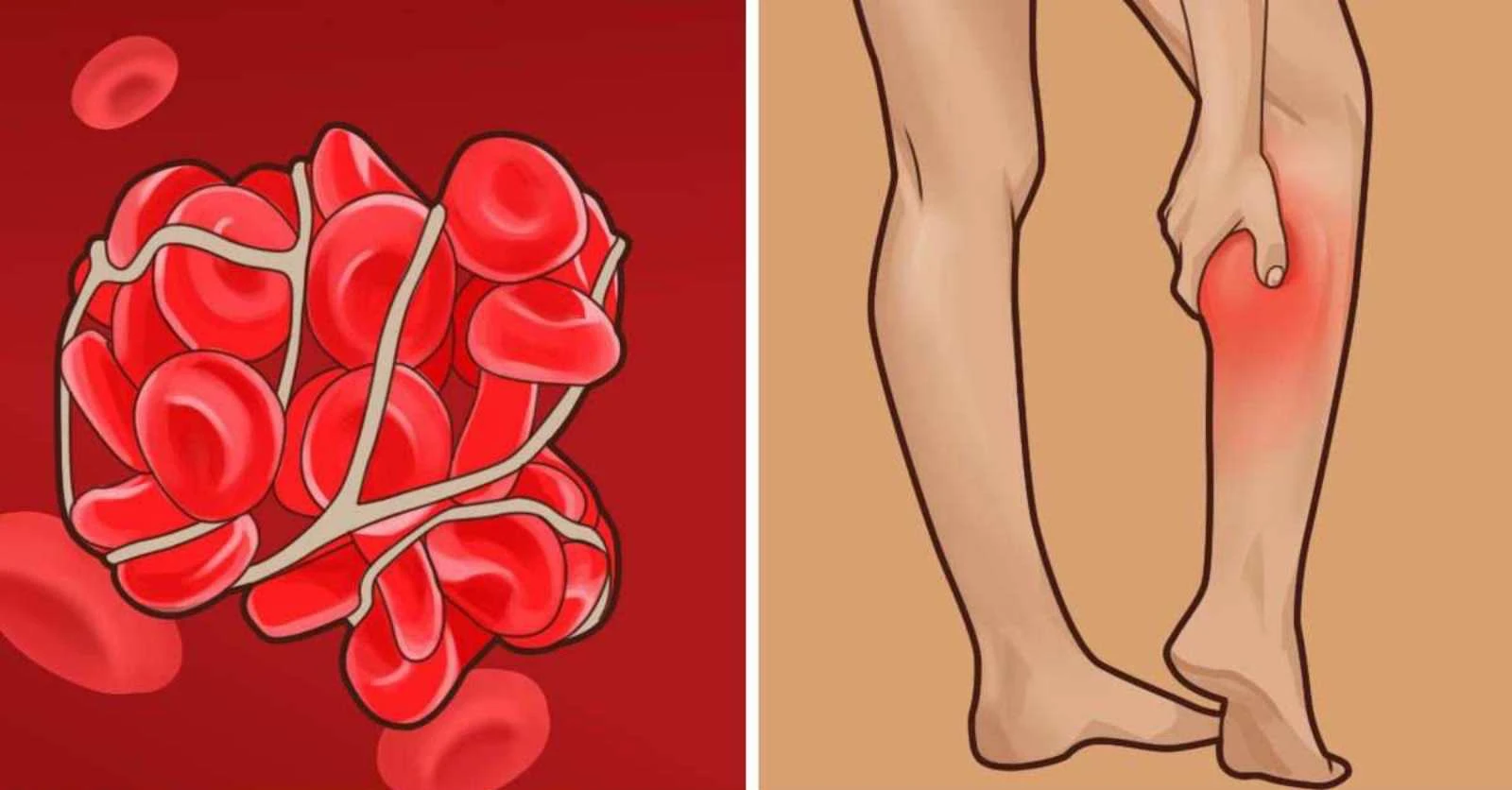
Blood clot is a serious health problem that can be life-threatening. If it forms in the veins, it can dislodge and block blood flow to vital organs – the heart, brain, or lungs. This can lead to a heart attack, stroke, or pulmonary embolism. According to experts from the American Society of Hematology, there are a number of risk factors: obesity, smoking, a sedentary lifestyle, age over 60, use of hormonal contraception, or chronic inflammatory diseases.
It is therefore important to know the main signs of a blood clot that can save lives.
8 warning signs of a blood clot
1. Varicose veins and swelling
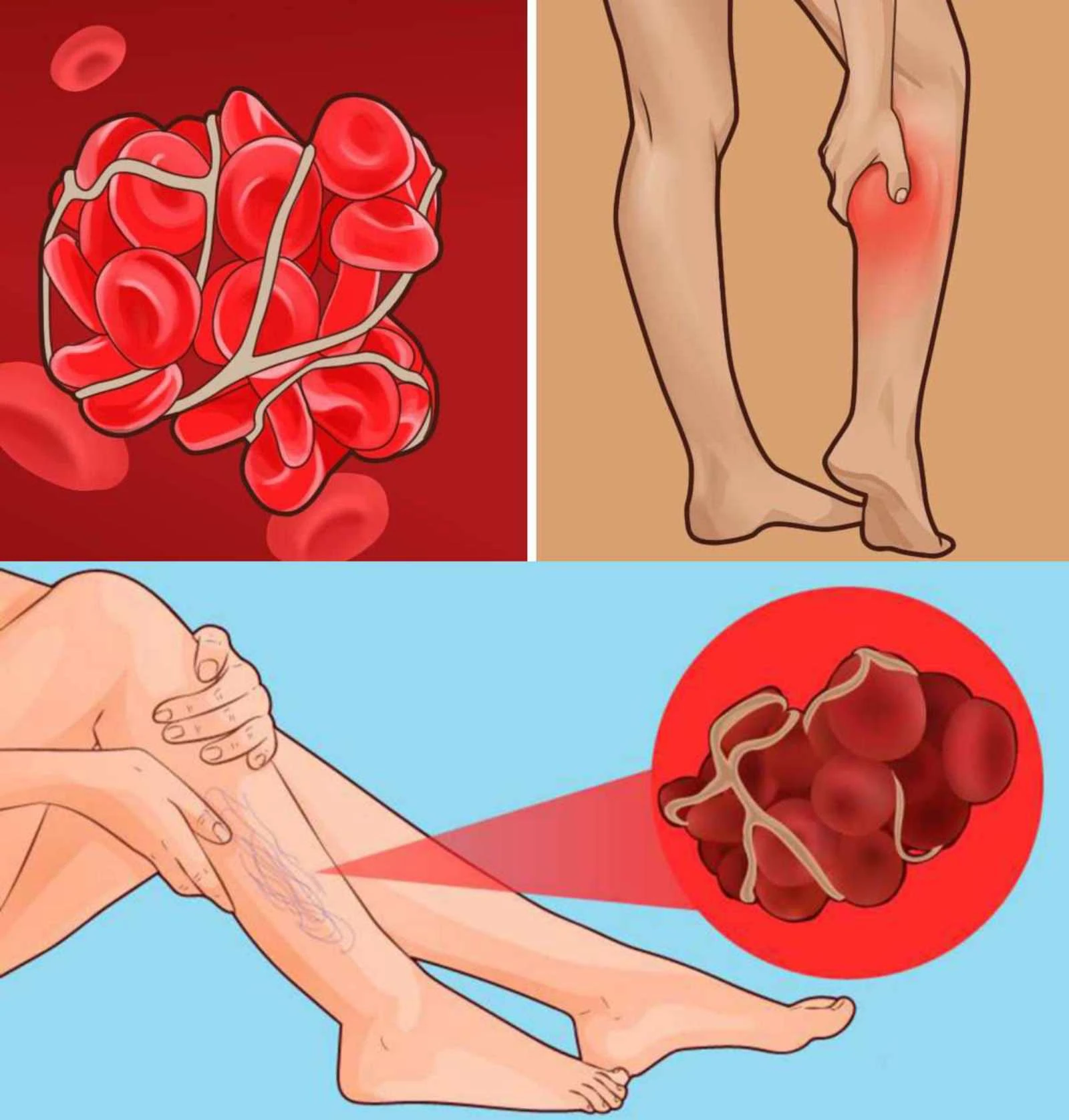
A blood clot puts pressure on a vein, which causes swelling, pain, and tension, most often in the legs.
2. Unexpected chest pain
Pressure or a dull chest pain may indicate a blood clot in the heart or lungs. If shortness of breath or a rapid pulse occurs, seek medical attention immediately.
3. Skin changes
Lack of oxygen causes the skin to pale, turn blue, or develop patches.
4. Excessive sweating and warmth of the limbs
A burning sensation, warmth, or increased sweating in the hands or feet may indicate blocked blood flow.
5. Tingling and numbness
The so-called “pins and needles” result from blood not being able to flow freely. It most often appears in the hands or feet.
6. Headache, speech and vision disturbances
A blood clot in the brain causes an ischemic stroke. A severe headache accompanied by worsening vision, dizziness, or speech problems is a reason for immediate medical intervention.
7. Abdominal pain, vomiting and diarrhea
A blood clot in the abdominal area can cause cramps, nausea, and severe pain different from common food poisoning.
8. Breathing problems
If a blood clot reaches the lungs (pulmonary embolism), it presents with shortness of breath, chest pain, cough, fever, and a rapid heartbeat.
When to seek medical help immediately?
With sudden chest pain, shortness of breath, speech problems, vision disturbances, or sudden weakness, it is necessary to call for medical help immediately. Time plays a crucial role.
How to prevent the formation of blood clots
According to research from the Mayo Clinic, there are several ways to reduce the risk:
- Regular exercise – when traveling by plane or car, stretch and walk regularly.
- Healthy lifestyle – maintain an optimal weight, don’t smoke, reduce salt and animal fats.
- Omega-3 fatty acids – fish oil, flaxseeds, or supplements support vascular health.
- Natural anticoagulants – vitamin E, evening primrose oil, garlic, onion, ginger, blueberries, or cayenne pepper may help naturally thin the blood.
- Balanced diet – fiber, whole grains, vegetables, and nuts support vascular and heart health.
Conclusion
Never underestimate the signs of a blood clot. If warning signals appear, it is necessary to seek specialist help as quickly as possible. Proper prevention – regular exercise, a healthy diet, and limiting risk factors – can significantly reduce the risk of thrombosis, heart attack, and stroke.
Warning: This article is for informational purposes only and does not replace medical care. If you have health problems or suspect a blood clot, seek medical attention immediately.