Article content
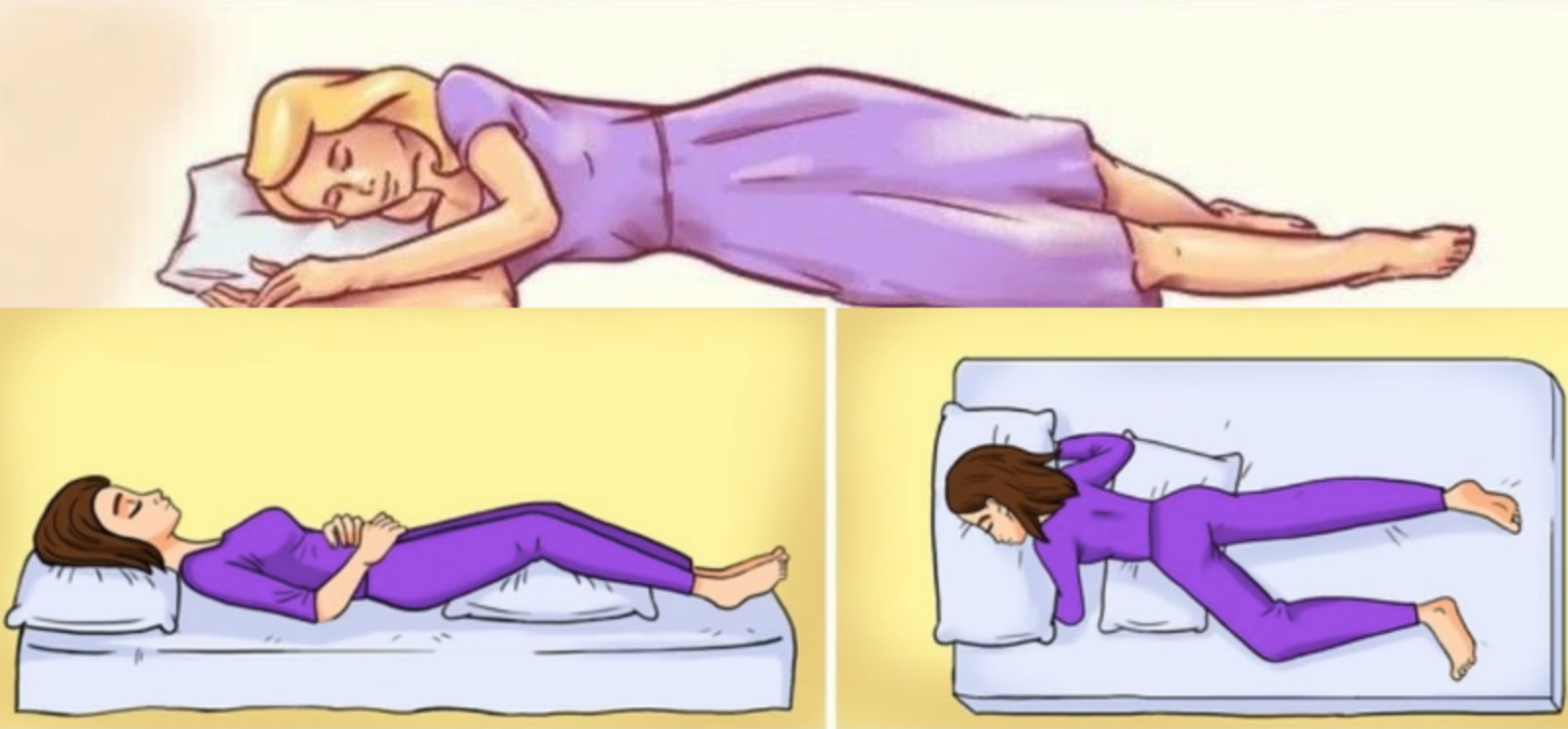
Many people have their favorite position in which they fall asleep every night. Although it may seem comfortable, sleeping on the stomach is considered by experts to be among the least healthy. Doctors warn that this position can lead not only to discomfort upon waking but also to long-term problems with the spine, neck and internal organs.
Why sleeping on the stomach is harmful
According to certified sleep coach Alex Savy, sleeping on the stomach disrupts the natural curvature of the spine and causes tension in the back muscles. “When you lie on your stomach, the spine loses its natural support, which can lead to pain and uncomfortable pressure,” he explains.
Neurologist and sleep specialist Dr. Pietro Luca Ratti adds that problems can appear even after a single night in this position, but long-term sleeping this way can cause serious spinal problems.
Research from 2012 showed that roughly 16% of people sleep on their stomachs, while the majority (74%) prefer sleeping on their side. Those who sleep on their stomachs, according to experts, risk:
- back pain and neck pain
- excessive curvature of the lumbar region (hyperlordosis)
- ligament damage and muscle imbalance
- increased pressure on the heart and lungs
- problems with intervertebral discs
How sleeping on the stomach affects the spine and neck
To be able to breathe while sleeping on the stomach, a person must have their head turned to one side. However, this tilts the neck out of the spine’s natural alignment and creates tension. Physiotherapist Nicole Lombardo points out that repeatedly turning to the same side overburdens one side of the neck muscles while the other side weakens.
This uneven pressure can lead to knots, chronic tension and long-term neck pain. Another risk is a herniated disc, when the gel-like content of an intervertebral disc shifts and irritates the nerves.
Effects on other parts of the body
Sleeping on the stomach doesn’t only affect the spine and neck. According to Ratti, it also creates greater pressure on the heart and lungs, which can worsen breathing during the night. In addition, a position with the hips tilted forward increases the curvature of the lumbar spine and over time can lead to disc problems or hip pain.
How to reduce harmful effects if you sleep on your stomach
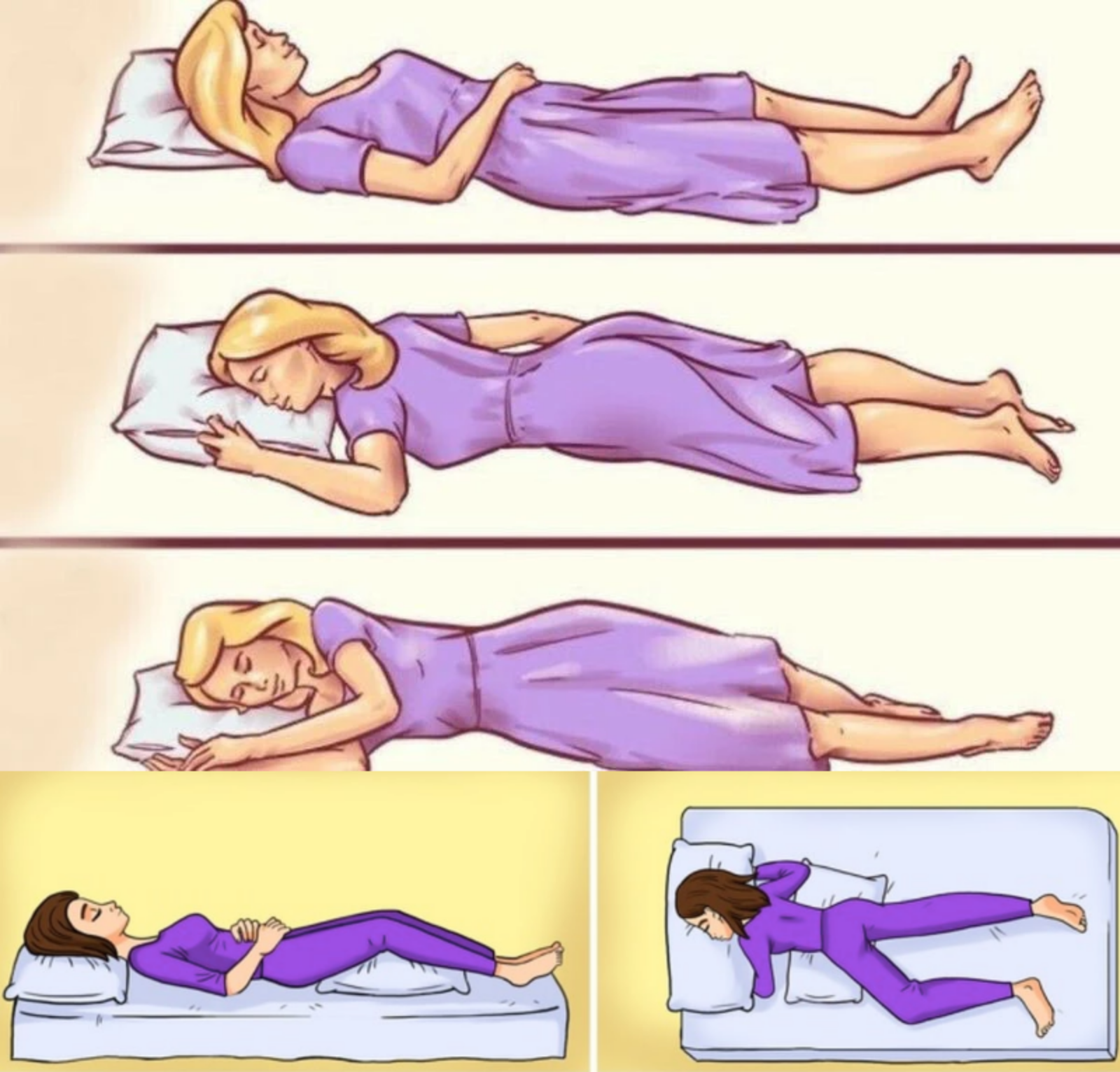
If you don’t want to give up this position, experts recommend using supportive aids:
- Pillow under the hips – keeps the lumbar spine in a more neutral position
- Low pillow under the head – minimizes neck misalignment
- Pad under the legs – reduces pressure on the lower back
Another trick for those who want to gradually break the habit of sleeping on their stomach is to place a pillow between the belly and the mattress. That will prevent you from turning over automatically during the night.
Healthier sleep alternatives
According to doctors, the healthiest sleeping position is on the side. This position reduces pressure on the spine, improves breathing and supports proper organ function. Sleeping on the back can also be beneficial if you don’t have problems with snoring or sleep apnea.
Conclusion
Sleeping on the stomach may seem comfortable, but in the long term it poses a risk to your back, neck and internal organs. If you don’t want to give up this position, at least try to mitigate its negative effects with an appropriate pillow and supports. Switching to a healthier sleeping position will help you prevent spinal problems and ensure better quality rest.