Article content
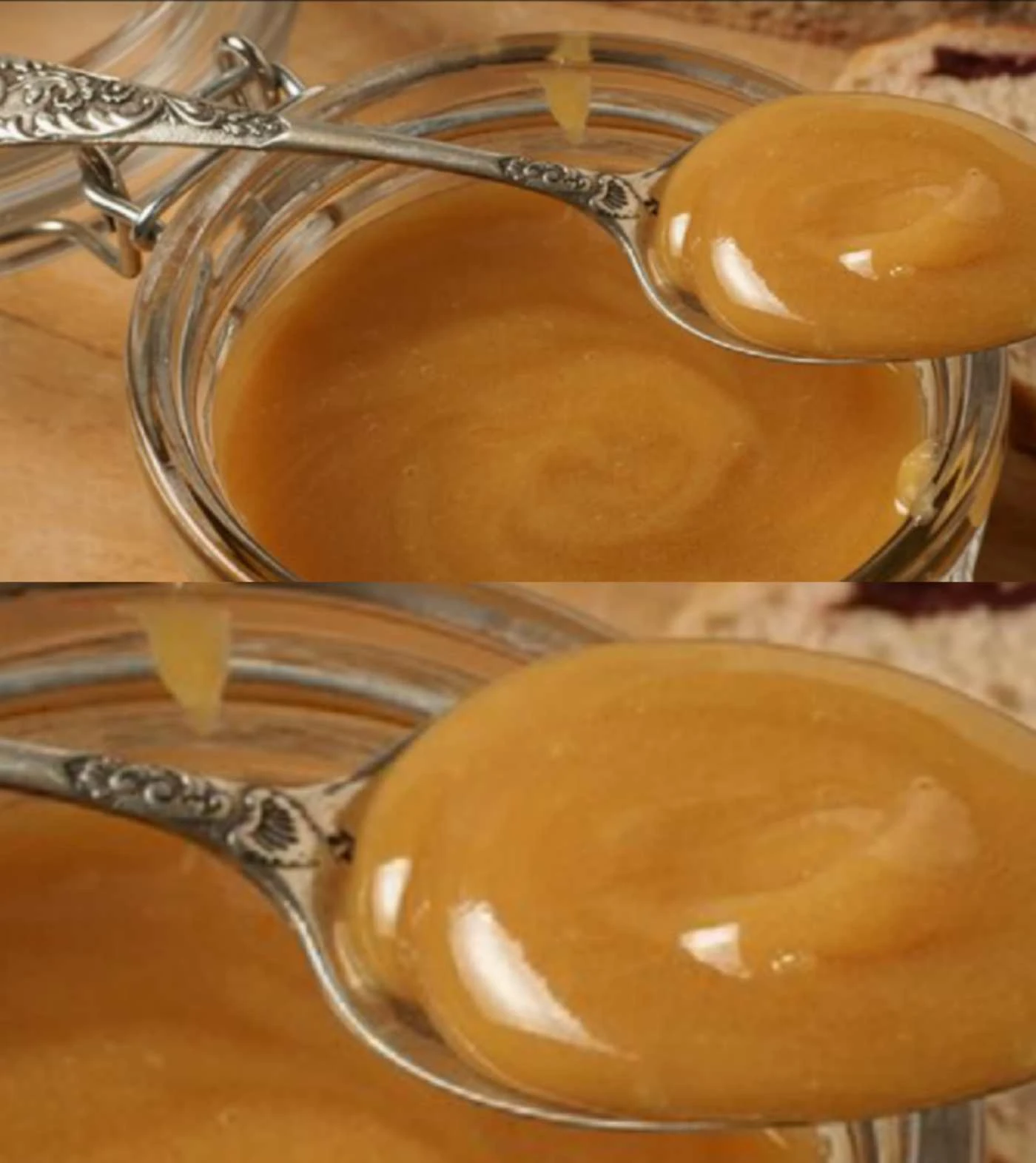
Honey is one of the most valuable natural foods that humanity has known for thousands of years. The ancient Greeks called it “food of the gods”, the Egyptians used it in religious rituals and in traditional medicine it was considered an elixir of life. Today, however, many forget about its extraordinary effects. Yet just adding honey to your diet every day is enough and your body and mind will thank you.
What honey contains and why it is so exceptional
Honey is a natural mixture of sugars, water, enzymes, vitamins, minerals and antioxidants. Its composition varies depending on the types of plants from which bees collect nectar, and also according to the season and the region where it was produced. An advantage is its low glycemic index, which means it does not cause sharp spikes in blood sugar.
- Fructose (fruit sugar): 35–40 %
- Glucose (grape sugar): 30–35 %
- Water: 10–15 %
- Minerals: potassium, calcium, sodium, magnesium, phosphorus, iodine, copper, zinc, iron
- Vitamins: B1, B2, B3, B5, B6, C, D, H, K, E, P
- Organic acids: gluconic, citric, malic
- Other components: amino acids, enzymes, pollen, aromatic substances
Effects of honey on human health
Honey is not just a sweetener – its healing effects are scientifically proven. It can act as a natural antibiotic, strengthen the immune system and support the body’s regeneration.
1. Antibacterial and antiviral effects
Honey removes the water that bacteria need to live. Thanks to this it helps with respiratory infections, throat inflammations or colds.
2. Support for digestion and detoxification
It stimulates bile production, improves liver function and helps remove toxins from the body. Regular consumption may contribute to lowering cholesterol.
3. Support for blood formation
It supports the production of red blood cells and is a suitable supplement in the treatment of anemia.
4. Relief for insomnia and stress
A glass of lukewarm water with a teaspoon of honey before bed calms the nervous system, makes it easier to fall asleep and helps you get back to sleep after waking during the night.
5. Care for the heart and blood vessels
It lowers blood pressure, strengthens the heart muscle and protects blood vessels from damage.
6. Support for the kidneys and urinary tract
It has a healing effect on inflammations and speeds up the elimination of harmful substances.
7. Slowing down aging
It contains antioxidants that protect cells from free radicals and support the body’s regeneration.
Honey for beauty and skin care
Honey is a popular ingredient in natural cosmetics. It can hydrate, heal and nourish the skin without the use of chemicals.
- Face mask: Apply a thin layer of pure honey to the face, leave it on for 15 minutes and rinse with lukewarm water.
- For chapped lips: Apply a small amount of honey to the lips and let it absorb – the effect is immediate.
- Treatment of minor wounds and burns: Honey has antiseptic properties and promotes healing.
How to use honey correctly
The optimal daily dose for an adult is 3 to 4 teaspoons. Honey is safe for most people, but it is necessary to follow these recommendations:
- Do not give to children younger than 1 year (due to the risk of botulism).
- People with a pollen allergy should consume honey with caution.
- For people with heart or kidney disease or for pregnant women, smaller doses are recommended.
Important advice: Honey loses enzymes and healing substances when heated above 42 °C. If you sweeten your tea, add honey only after the drink has cooled.
Conclusion
Honey is not only tasty but also an exceptionally healthy food that should not be missing in any household. Regular consumption can strengthen immunity, improve digestion, slow down aging and contribute to overall well-being. Whether you use it internally or as part of natural treatment for skin problems, its effects are invaluable.
Add it to your diet today – your body and skin will thank you.