Article content
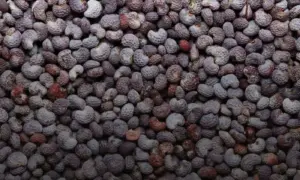
If you are looking for a natural way to support digestion, strengthen the stomach and improve overall health, you should take a closer look at nettle. This unassuming plant, which many consider just a stinging weed, has been used for centuries in herbal medicine and is experiencing a major comeback today. Thanks to its rich content of vitamins, minerals and antioxidants, it is one of the most valuable herbs you can have at home.
Nettle – queen among herbs
Nettle contains vitamins A, C, K, B2, as well as iron, magnesium, calcium, potassium and a number of antioxidants that protect cells from oxidative stress. In folk medicine it was called the “queen among herbs” not only for its nutrient content but also for its wide range of effects on the human body.
Effects of nettle on the stomach and digestion
One of nettle’s greatest benefits is its ability to support digestion. Regular drinking of nettle tea can help with:
- bloating
- heartburn
- stomach cramps
- nausea
Thanks to its anti-inflammatory effects, it supports the healing of gastric ulcers and at the same time helps reduce excessive acidity of stomach juices. Nettle stimulates the production of digestive enzymes, thereby improving food breakdown and nutrient absorption.
Detoxification and organ support
Nettle has strong detoxifying properties – it supports liver and kidney function and thus helps the body eliminate harmful substances. It acts as a diuretic, which is beneficial for bladder infections and kidney problems.
Natural immunity booster
The content of vitamin C and antioxidants makes nettle a great helper for strengthening immunity. It is also suitable for people suffering from anemia, because it contains organic iron which is essential for the production of red blood cells.
Other health benefits
- reduces symptoms of arthritis, gout and rheumatism
- supports healthy skin and helps with acne and eczema
- reduces dandruff and supports hair growth
How to prepare nettle tea
Recipe for nettle tea: Put one teaspoon of dried nettle into a cup and pour boiling water over it. Let steep 5–10 minutes, up to an hour for a stronger effect. Drink one to two cups daily, ideally before meals.
Other ways to use nettle in the kitchen
- In soups and sauces: Young leaves, after blanching, taste similar to spinach.
- In smoothies: Fresh leaves are suitable for fruit and vegetable drinks.
- Dried powder: Ground dried nettle is suitable for baked goods, omelettes or salads.
What to watch out for
When using nettle regularly it is important to keep to appropriate amounts. Pregnant women, people with low blood pressure or those taking blood-thinning medications should consult their doctor about its use.
Warning: This article is for informational purposes only and does not replace professional medical advice, diagnosis or treatment. Before starting any herbal regimen consult your doctor or pharmacist, especially if you suffer from a chronic condition or are taking medications.