Article content
Low blood pressure, medically referred to as hypotension, is a condition in which the blood pressure in the arteries is lower than optimal for supplying the organs with oxygen and nutrients. For some people, low blood pressure may be common and symptom-free. In others, however, it may signal hidden health problems that require immediate attention.
Recognizing the symptoms of low blood pressure is the key to timely diagnosis and proper treatment. If you often experience dizziness, weakness, fatigue or even fainting, it is appropriate to consult a doctor.
Main causes of low blood pressure
There are many factors that can cause a hypotensive condition. Some are temporary and easily treatable, while others may be a manifestation of a serious disease.
1. Dehydration
Insufficient fluid intake leads to a decrease in blood volume, which directly causes a drop in blood pressure. Typical symptoms include dry mouth, fatigue and dizziness.
2. Heart disease
- Bradycardia (slow heart rate) – the heart pumps blood more slowly, thereby worsening its circulation.
- Heart failure – a weakened heart cannot adequately supply the organs with blood.
- Heart valve disorders – they can impede proper blood flow and lead to a long-term reduction in pressure.
3. Endocrine disorders
- Hypothyroidism – reduced thyroid function slows metabolism and lowers blood pressure.
- Addison’s disease – an adrenal disorder causes a deficiency of important hormones such as cortisol, which can trigger a hypotensive condition.
- Diabetes – in long-term cases, nerve damage may occur affecting the nerves that control blood pressure regulation.
4. Severe infections and blood loss
- Sepsis – a severe infection can cause dilation of blood vessels and a sudden drop in blood pressure.
- Bleeding – major blood loss from injuries or surgeries leads to a state of shock and a dangerous drop in pressure.
5. Other causes
- Anemia – a lack of red blood cells impairs oxygen transport.
- Medications – some diuretics, beta-blockers, antidepressants or medications for Parkinson’s disease can lower blood pressure.
- Orthostatic hypotension – a sudden drop in pressure when standing up quickly.
- Pregnancy – hormonal changes can cause a temporary decrease in blood pressure.
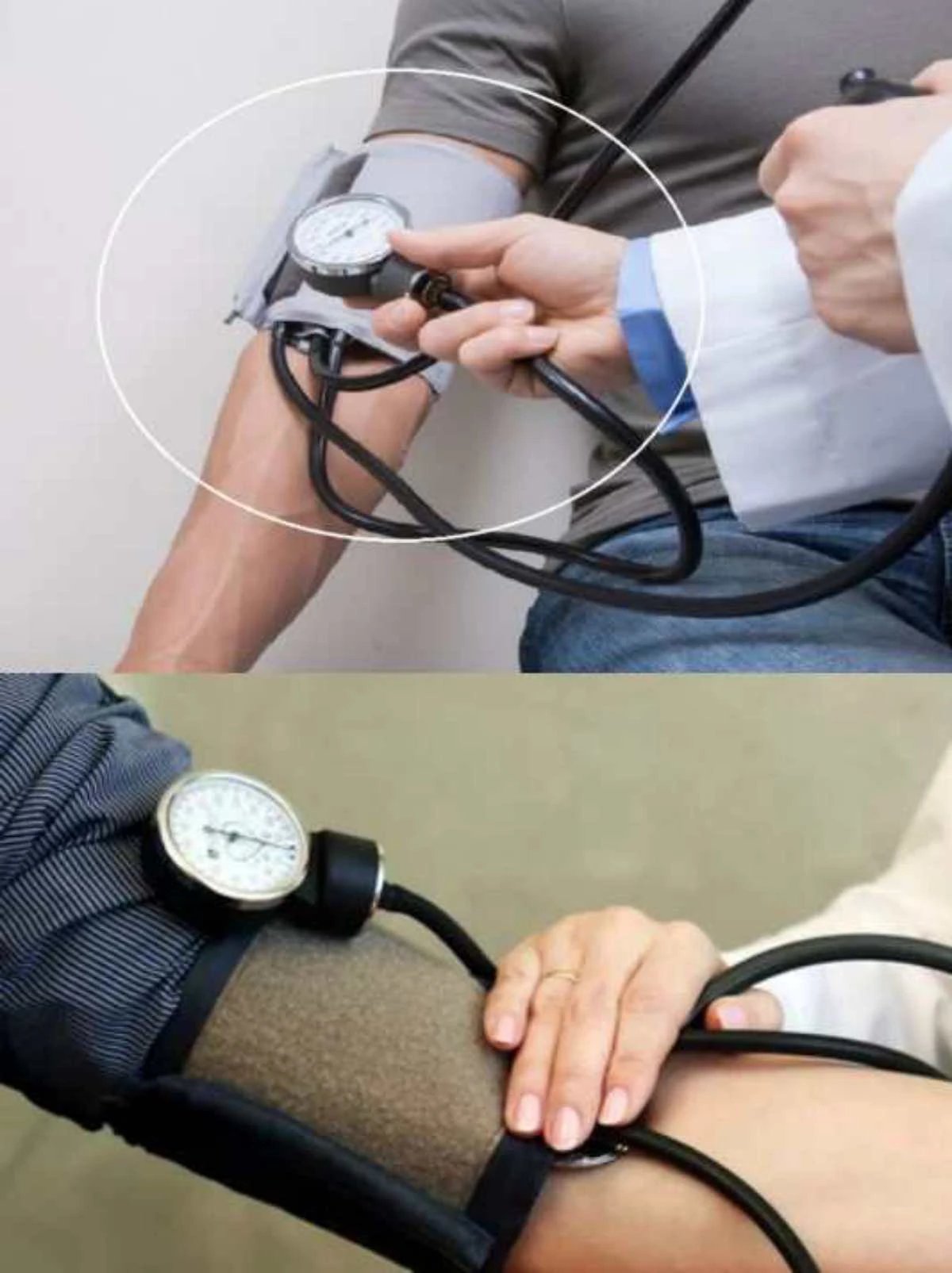
When to be alert and seek medical attention
Symptoms of low blood pressure that you should not ignore:
- frequent dizziness or feeling faint
- chronic fatigue and weakness
- difficulty concentrating
- blurred vision
- cold and pale skin
If these symptoms persist for a long time or worsen, it is necessary to undergo a medical examination to uncover the underlying cause.
How to help yourself and prevent complications
- Adequate fluid intake – ideally plain water, herbal teas or unsweetened drinks.
- Balanced diet – enough protein, vegetables, healthy fats and complex carbohydrates.
- Getting up slowly – avoids a sudden drop in pressure.
- Regular exercise – supports blood circulation and increases vitality.
In some cases, a doctor may recommend increasing salt intake or special exercises that stimulate blood circulation.
Conclusion
Low blood pressure is not always dangerous, but if it is long-term or accompanied by unpleasant symptoms, it may be a sign of a serious disease. Monitor your body, do not ignore warning signs and consult a specialist if in doubt.
Timely diagnosis and lifestyle adjustments can significantly reduce the risk of complications and improve quality of life.