Article content
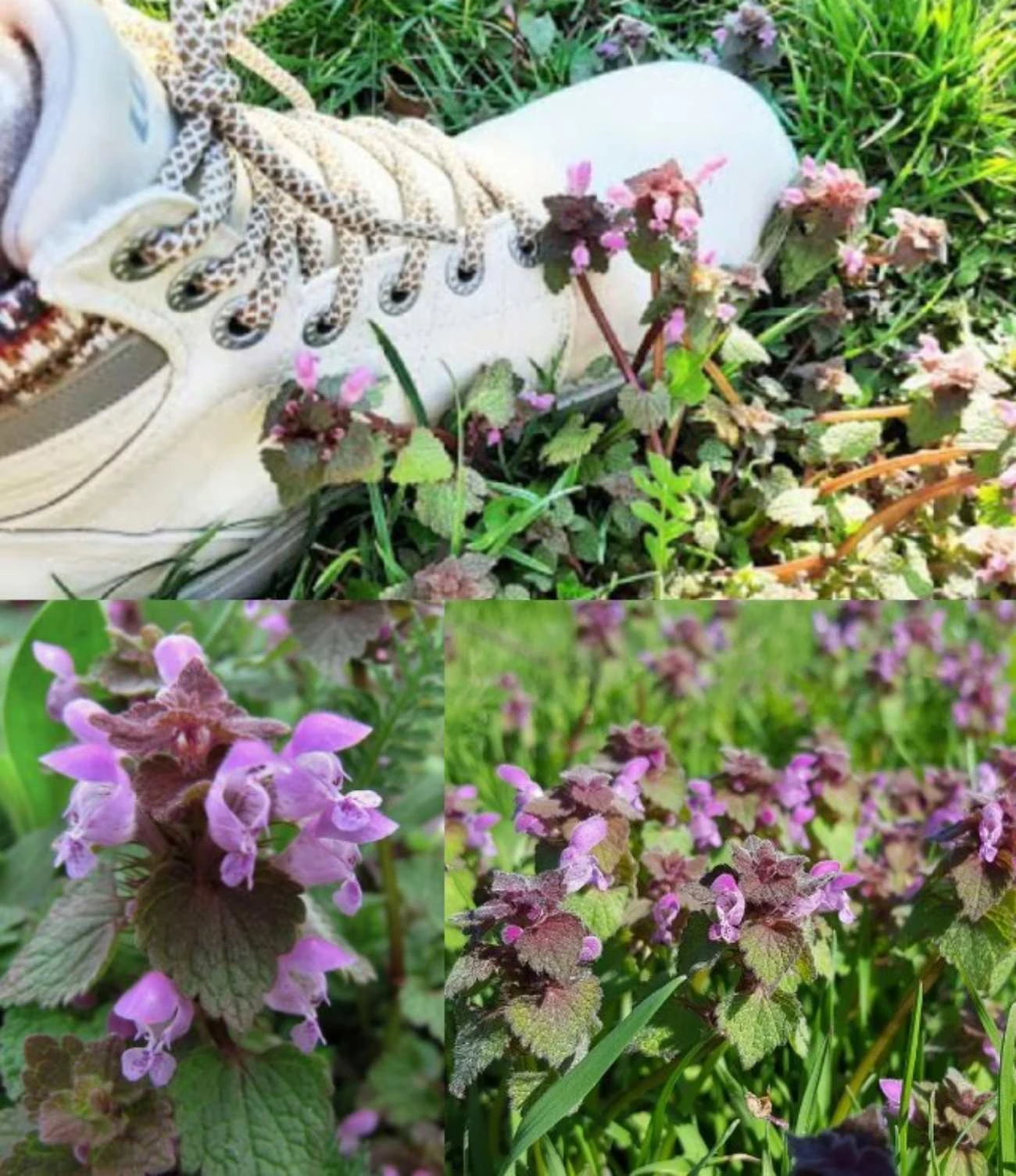
Maybe you step on it every day and don’t even realize it. Purple dead-nettle (Lamium purpureum), sometimes also called red dead-nettle, is an inconspicuous plant that grows in meadows, fields, parks and gardens. Many consider it a common weed, but in fact it is a powerful medicinal herb that can benefit our health and mood.
Once valued in folk medicine for its ability to heal wounds, stop bleeding, reduce inflammation and support digestion. Today modern research confirms it as a plant with antibacterial, anti-inflammatory and antiallergic effects. Yet most people overlook it.
How to recognize purple dead-nettle
Purple dead-nettle is a small but noticeable herb. It usually grows to a height of 10–30 cm. Its leaves are diamond-shaped, softly hairy and often tinged purple or red at the upper tips. From March to late summer it blooms with small, vividly purple flowers.
At first glance it resembles nettle, but unlike it does not sting – hence it is called “dead”.
Health effects of purple dead-nettle
This unassuming plant has wide use in natural medicine. It contains vitamin C, iron, flavonoids, tannins and antioxidants, thanks to which it helps to:
- Stop bleeding from wounds, abrasions and the nose
- Support healing of cuts and ulcers
- Relieve joint and tendon pain
- Act antibacterial – effectively destroys the bacterium Escherichia coli and other pathogens
- Improve blood count and fight anemia thanks to its high iron content
- Alleviate allergy symptoms and strengthen immunity
- Support mental well-being – folk say it “makes a person cheerful”
Herbalists also recommend it for depression, anxiety and sleep problems because it acts as a mild sedative.
Purple dead-nettle tea – a simple way to get its benefits
The simplest and most common form of use is dead-nettle tea.
Prepare it like this:
- 2 tablespoons of dried or fresh dead-nettle
- 200 ml boiling water
Pour hot water over the herb, let it steep for 10 minutes and then strain. Drink 2–3 cups daily. Regular consumption helps cleanse the urinary tract, acts against inflammation and supplies the body with important vitamins and minerals.
Warning: In larger amounts the tea has mild laxative effects.
Culinary uses
Few people know that purple dead-nettle is a completely edible herb. Young leaves can be added to salads, spreads, soups or smoothies. They have a mild herbal flavor and add valuable nutrients to dishes.
When to be careful
Although this medicinal herb is safe, people with coagulation disorders should consult their doctor before using it. It contains a significant amount of vitamin K.
Why you shouldn’t overlook it
Purple dead-nettle is not a mere weed. It is a gift of nature growing right under our feet. It helps with colds, allergies, inflammations and fatigue. It provides you with energy, vitamins and supports immunity. And above all – you don’t need to buy it at the pharmacy; you can pick it while on a walk.
Tip from the editors: If you have a garden, don’t pull it out. Not only does it benefit your health, but its flowers attract bees and other pollinators.
📢 Share this article, so more people learn about the power of this herb – and next time no one will needlessly step on it.