Article content
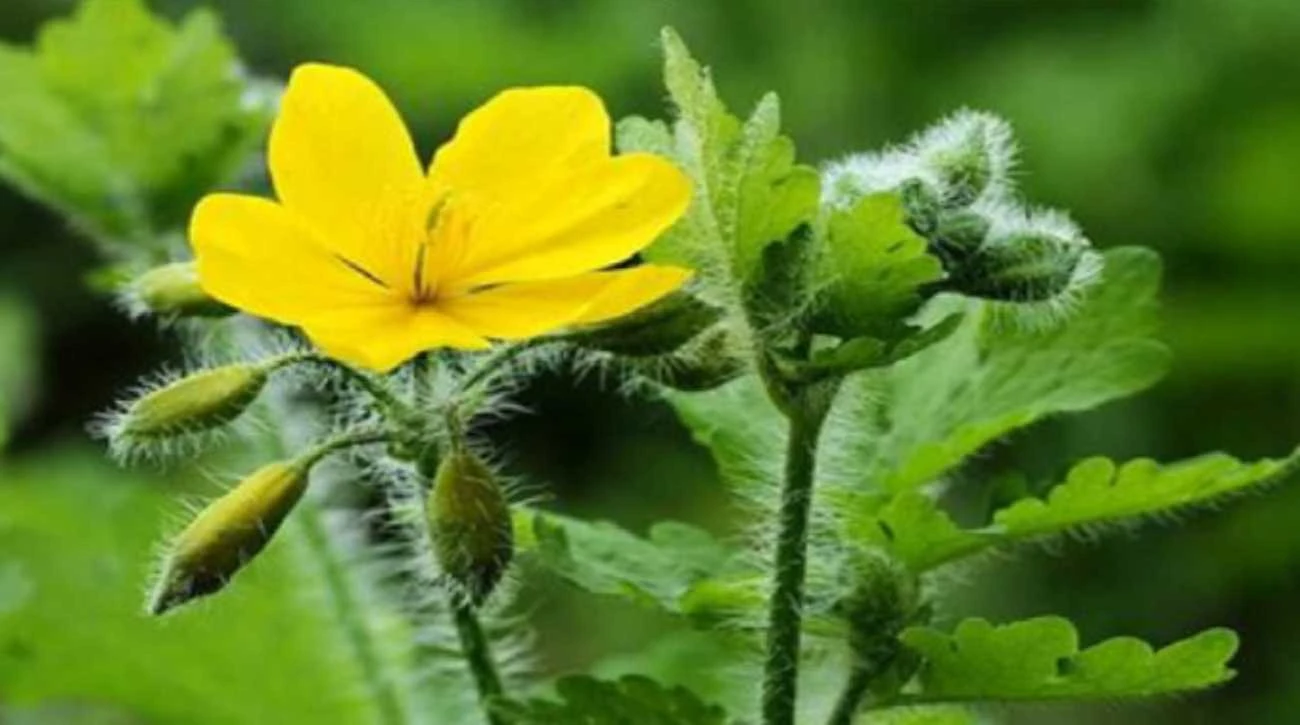
Most people consider it a common weed that they will pull up and throw away without hesitation. But they make a huge mistake. Greater celandine (Chelidonium majus) is one of those plants that can protect the harvest in the garden and at the same time has significant medicinal effects. This plant deserves much more attention – not only from gardeners, but also from those who are looking for natural ways to care for their health.
A natural treasure among “weeds”
Greater celandine is a perennial herb from the poppy family. At first glance an inconspicuous plant, it is known for its distinctive yellow-orange sap that oozes when the stem is injured. It is in this sap that the power lies – it contains substances that repel pests and kill pathogenic fungi. At the same time it does not damage cultivated crops, which makes it an ideal natural spray for organic gardening.
How to prepare a spray from greater celandine?
Preparing a homemade spray is not difficult. Simply pour hot water over freshly picked plant material – including leaves, stems and flowers – and let it steep for two to three hours. The infusion is then diluted at a ratio of 1:5 and applied to plants as protection against aphids, whiteflies, powdery mildew and molds. The spray should be used within 48 hours, because after that it loses effectiveness.
Important advice: Apply the spray early in the morning or in the evening, not in full sun, to avoid damaging the leaves.
Without chemicals, without risk
A major advantage of this natural spray is that it leaves no toxic residues. Fruit and vegetables can be safely consumed after spraying. This will be appreciated especially by those who try to avoid pesticides and want a healthy harvest without chemicals.
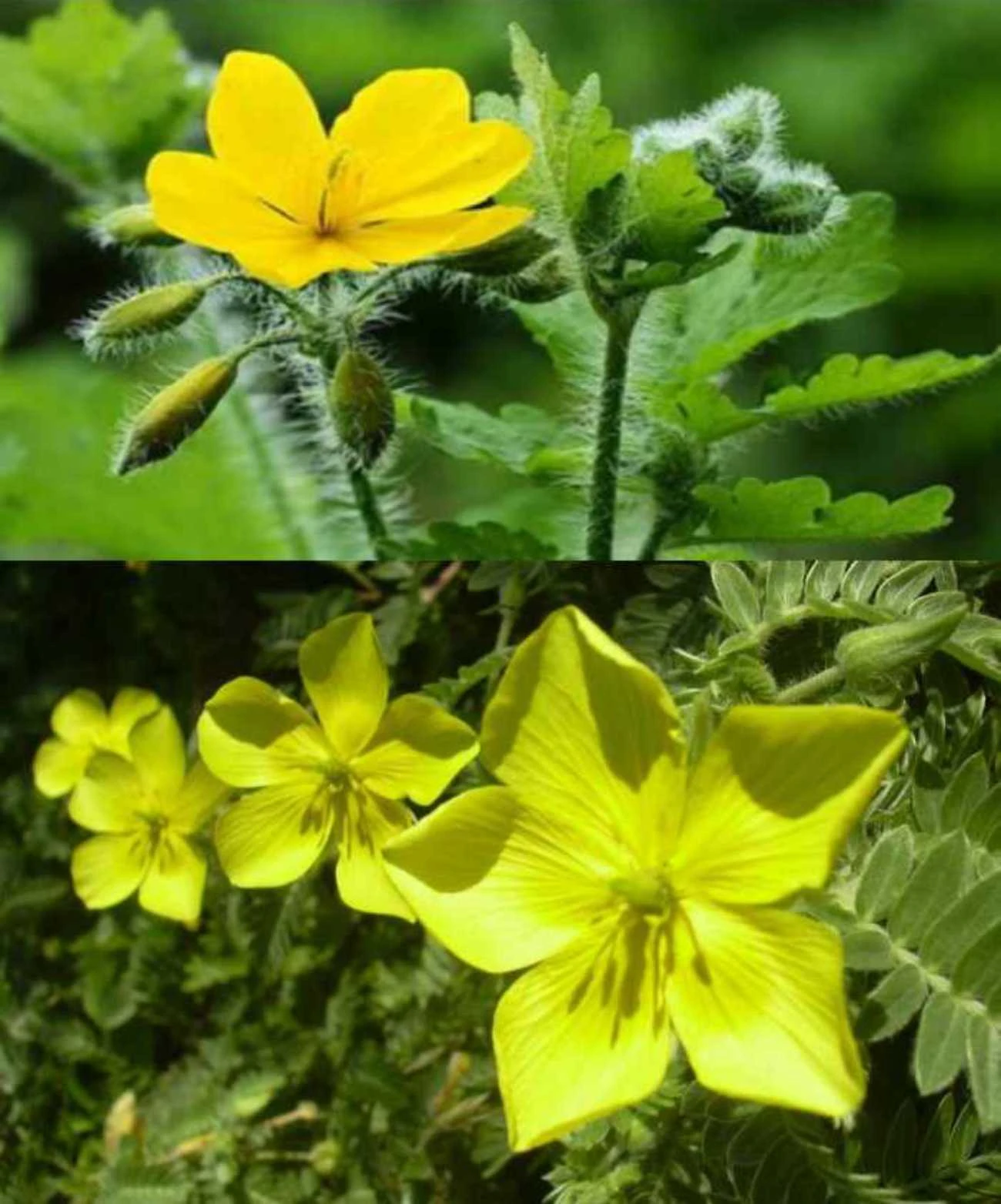
Greater celandine in folk medicine
Besides its use in the garden, greater celandine is also known as a medicinal herb. As early as antiquity it was used for skin problems – especially for warts and corns. Just apply the juice from the fresh plant directly to the affected area. Some people also use it for problems with the liver or gallbladder.
WARNING: Internal use is very risky and should only be carried out under the supervision of a specialist. The plant contains alkaloids that can be toxic in higher doses.
An unnecessarily underestimated plant
Although celandine is often considered a weed, in reality it is a treasure of nature that helps not only plants but also people. If you are looking for an effective and natural way to protect your garden, or are interested in traditional herbal medicine, it is definitely worth giving this plant a second chance.
This article is for informational purposes only and does not replace medical consultation. In case of health problems, always consult a doctor or pharmacist.