
Article content
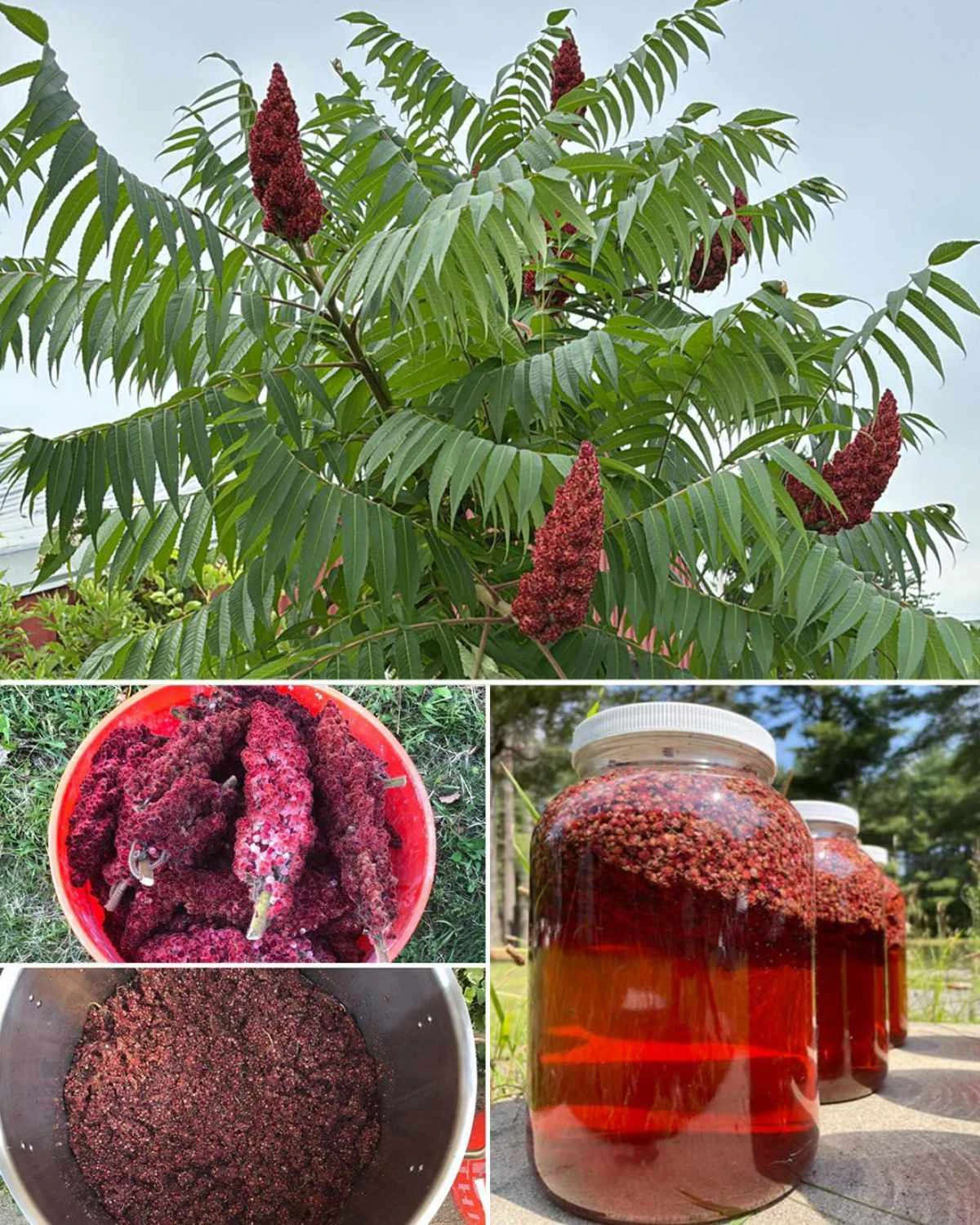
Sumac (Rhus coriaria) is a dark red spice with a tart, fruity flavor, popular in Middle Eastern cuisine. It is obtained from the dried berries of the shrub of the same name and is used not only as a lemon substitute but also as a natural remedy with antioxidant and anti-inflammatory properties.
1. Powerful antioxidant and protection against inflammation
Sumac is rich in polyphenols, flavonoids, anthocyanins and vitamin C. These compounds help neutralize free radicals, reduce chronic inflammation and act preventively against heart disease, cancer and autoimmune disorders.
2. Support for the cardiovascular system
Regular use of sumac as a spice or tea may lead to reduced LDL cholesterol, blood pressure and triglycerides. It has a beneficial effect on blood vessel walls and helps prevent the formation of blood clots.
3. Regulation of blood sugar levels
In diabetics, improved insulin sensitivity and lower blood glucose levels have been observed with regular consumption of sumac. However, it is important to consult your doctor, especially if you are taking medications.
4. Relief after physical exertion
Thanks to its anti-inflammatory properties, sumac reduces muscle pain after sports or physical exertion and helps with recovery.
5. Support for digestion and immunity
Sumac acts against reflux, diarrhea, intestinal inflammation, hemorrhoids and urinary tract infections. It has strong antimicrobial effects, cleanses the intestines and strengthens the body’s natural defenses.
Overview of health benefits
| Area of effect | Effect |
|---|---|
| Antioxidation and inflammation | Polyphenols, vitamin C – cell protection |
| Heart and blood vessels | Reduction of cholesterol and blood pressure |
| Blood sugar | Regulation of glucose and insulin sensitivity |
| Muscles | Reduction of pain after exertion |
| Digestion and immunity | Detoxification and antimicrobial action |
How to use sumac?
In the kitchen:
- for salads, hummus, grilled vegetables, fish and meat
- in marinades – pairs excellently with mint and coriander
- for legumes, grains and baked potatoes
As tea:
Pour 1 teaspoon of ground sumac into hot water, steep for 5–10 minutes and strain. Drink to support immunity and digestion or when you have a cold.
Sumac water:
Mix 1 teaspoon of sumac with water, add lemon and mint – ideal as a detox drink during the day.
Topically:
A paste of sumac and water helps with acne, redness or minor wounds. Leave on for 10–15 minutes, then rinse.
Safety warnings
- Allergies: If you are allergic to cashews or mango, consult a doctor – sumac is in the same family.
- Drug interactions: Consult use if you are taking medications for diabetes or high blood pressure.
- Dosage: The recommended daily dose is 1–3 grams.
- Topical use: Test first on a small area of skin.
Summary
Sumac is a true treasure of a healthy kitchen – not only for its flavor, but also for its antioxidant, anti-inflammatory, antimicrobial and detoxifying effects. Regular use can positively affect heart health, digestion, blood sugar and muscle recovery.
Try incorporating sumac into your diet and give your body natural support straight from nature.
The information provided is for informational purposes only and does not replace medical care.