Article content
Gooseberry is a fruit shrub that many of us remember from childhood, when it was indispensable in every grandmother’s garden. Today we encounter it less and less, and yet it is a true natural miracle – not only in taste, but above all for health. This perennial plant grows to a height of one to one and a half meters and its fruits are not only tasty but also rich in vitamins, minerals and health-promoting substances.
What is gooseberry and why grow it?
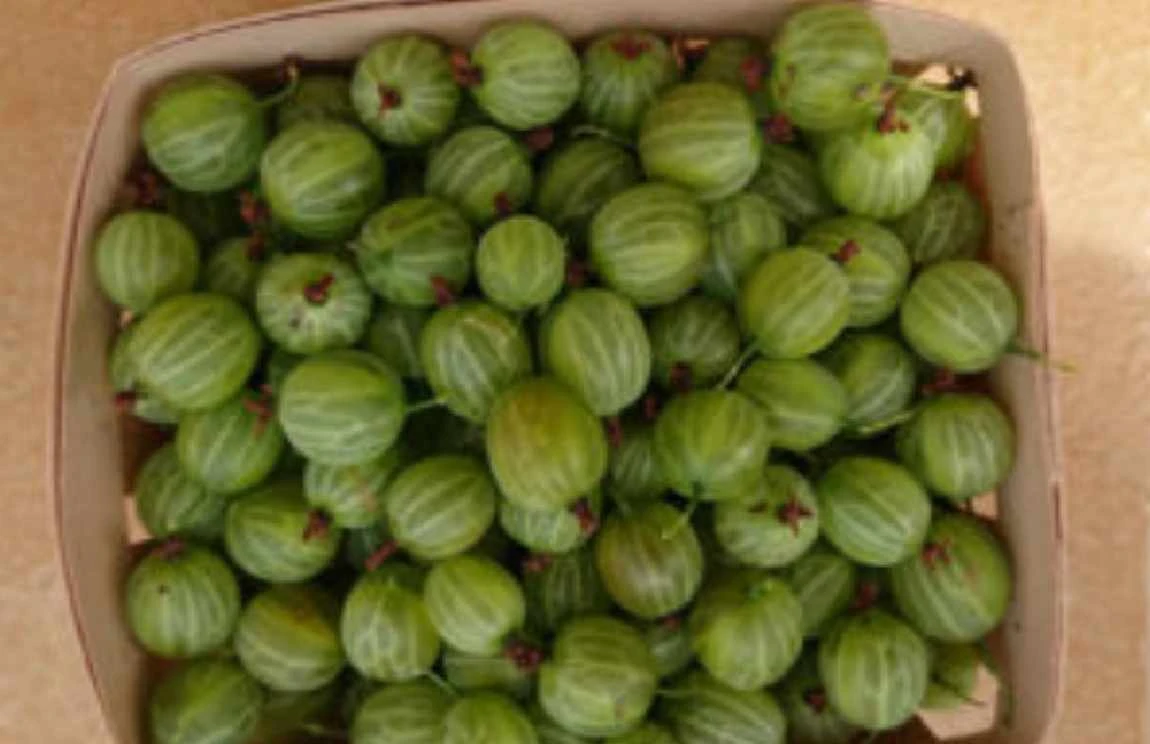
Gooseberry (Ribes uva-crispa) is a close relative of the currant. Its fruits have a typically tart taste and appear in various colors – from light green through yellow-green to deep red. There are more than 800 varieties, some almost hairless, others with a fine fuzz.
A major advantage of gooseberry is its undemanding cultivation – it can grow in the garden, but also in a pot on a balcony or terrace. The first fruits ripen as early as May, the so-called „green harvest“ is ideal for canning, making jams or chutneys. Fully ripe gooseberries are picked from June to August depending on the variety.
Gooseberry and health: effects that will surprise you
Gooseberry is a true superfood treasure. It contains a large amount of silicon, which strengthens veins, veins and arteries, and moreover helps remove heavy metals from the body. Even a short week-long cure can visibly improve the condition of varicose veins and slow the weakening of the vascular system.
The main effects of gooseberry include:
- detoxification of the body, especially the brain
- cleansing and regeneration of the intestines
- improvement of digestion and protein utilization
- diuretic and draining effects
- support for hair growth and skin quality
- improved vision thanks to provitamin A content
- strengthening of immunity due to high vitamin C content
- nervous system and brain support thanks to vitamin B6
In addition, gooseberry contains biotin, magnesium, potassium, zinc and manganese, which help the proper function of the heart, metabolism and nervous system. Its skin contains monounsaturated fatty acids that benefit the heart and blood vessels.
Use of gooseberry in the kitchen
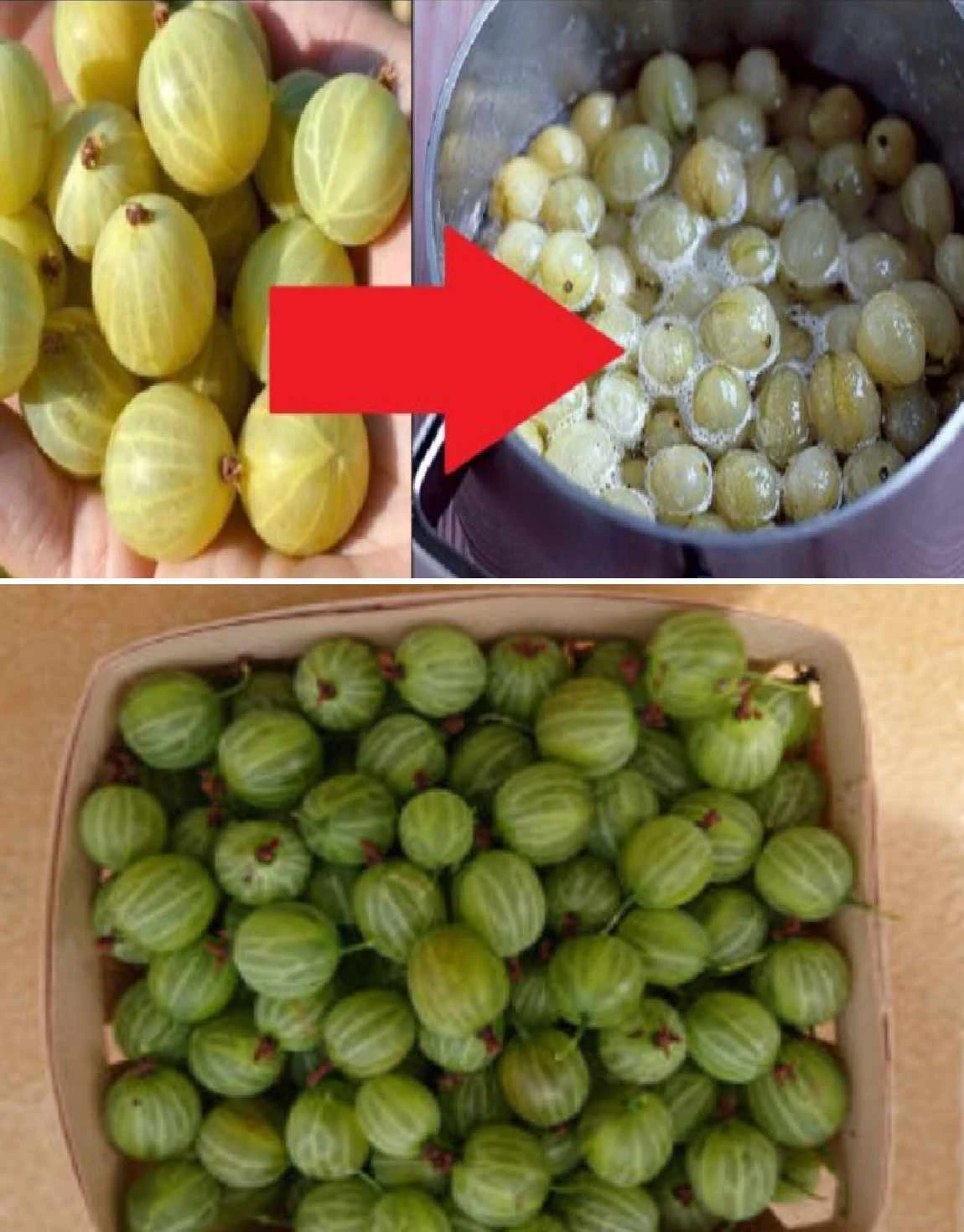
Gooseberry has wide and versatile uses. It tastes great fresh, but its advantage is also its versatile processing. It is suitable for:
- making marmalades, jams and chutneys
- fruit pies, desserts and buns
- smoothies, juices and homemade lemonades
- as a side dish to meat, fish or cheeses
- breakfast porridges, salads or quark creams
Recipe: Gooseberry chutney with onion and raisins
This chutney is spicy, sweet-and-sour and perfectly complements roast meat or a cheese board.
Ingredients:
- 1.5 kg gooseberries
- 250 g onion
- 175 g raisins
- 350 g granulated sugar
- 1 teaspoon gingerbread spice
- 1 teaspoon ground mustard seed
- a pinch of salt
- 600 ml white vinegar
Method:
Chop the onion finely and simmer it in water until soft, then drain. Add the gooseberries, sugar, spices, mustard seeds and a pinch of salt. Pour in the vinegar and simmer over low heat for about 60 minutes, until the mixture thickens. Then pour the chutney into clean jars, seal and store in a cool place.
Summary: Gooseberry – a healing shrub with tasty fruits
Gooseberry is a crop that deserves a return to our gardens. It is easy to grow, nutritious, tasty and medicinal. Whether you make jam, pie or a healthy chutney from it, you will always benefit your body. In addition, it supports the vascular system, immunity, digestion and the health of hair and skin – and these are benefits that cannot be overlooked.
Keywords for SEO: gooseberry effects, growing gooseberry, healthy berries, homemade gooseberry recipes