Article content
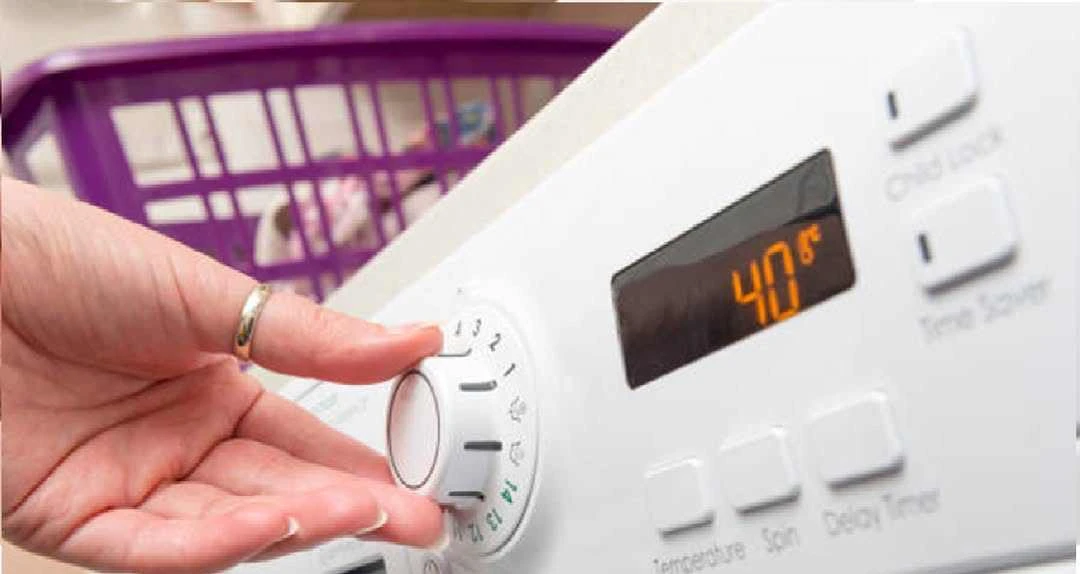
Most of us wash laundry at 40 °C – it’s energy-efficient, gentle on clothes and practically universally recommended. But experts warn: this temperature often is not enough to remove harmful bacteria and stubborn stains. When it comes to your family’s health, it’s important to know what really happens at low temperatures.
Invisible risk on clothing
Although laundry may look clean at first glance, it can contain up to a million bacteria on a single piece of clothing. Some are harmless, but others – such as Staphylococcus aureus – can cause serious health problems.
What do studies say?
According to research, washing at 40 °C destroys only 6% of common viruses and bacteria. Low temperatures simply aren’t enough to effectively eliminate them. Many households thus don’t even realize that laundry coming out of the washing machine can smell fresh but not be hygienically clean.
How to wash properly for health?
- Wash underwear, towels, bedding, or sportswear at least at 60 °C.
- Use quality detergents with a disinfecting effect.
- Don’t put too much laundry in the washing machine at once.

When is 40 °C still appropriate?
This temperature is ideal for everyday laundry made of delicate materials – if it is not heavily soiled. Otherwise, opt for a higher temperature or add a disinfectant.
Conclusion: Pay attention to what you wash and how
Washing laundry at low temperatures can save energy, but hygienic washing should always be a priority. The correct washing temperature is the key to the health of the whole household.
Want to keep your household healthy? Share this article and let others know why washing temperature really matters.