Article content
Orchids are among the most popular houseplants, but growing them requires patience and proper care. If your plants wilt after flowering, don’t despair – we bring three effective tips that will help your orchids bloom again. Just adjust watering, choose a suitable location, and don’t forget nutrition.
Why orchids wilt and how to help them
Many growers complain that their orchids have stopped flowering, are losing leaves, or are drying out. The reason may be incorrect watering, too much direct sun, lack of nutrients, or drafts. Fortunately, there are simple ways to help orchids regain strength and beauty.
1. Watering – less water means more life
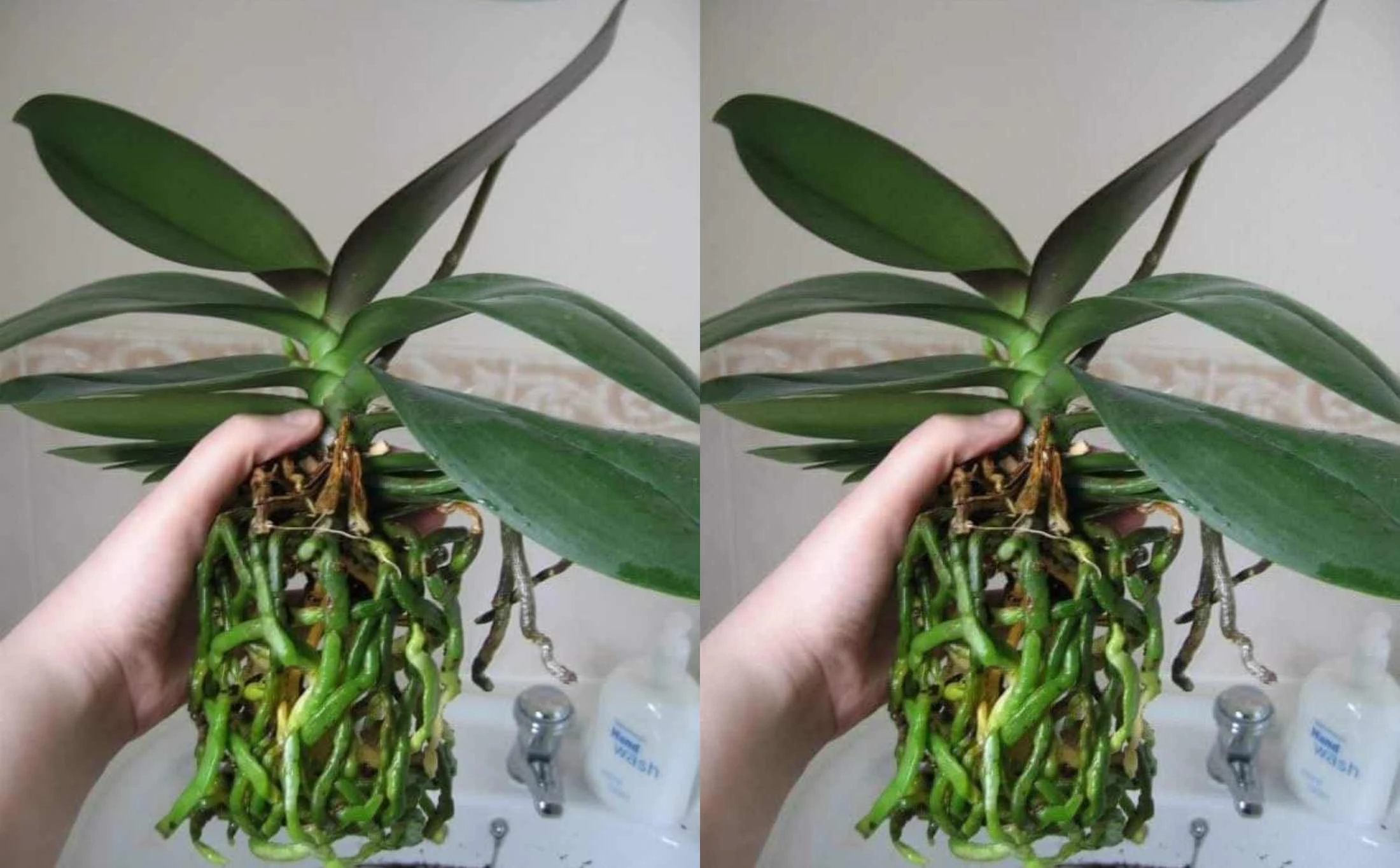
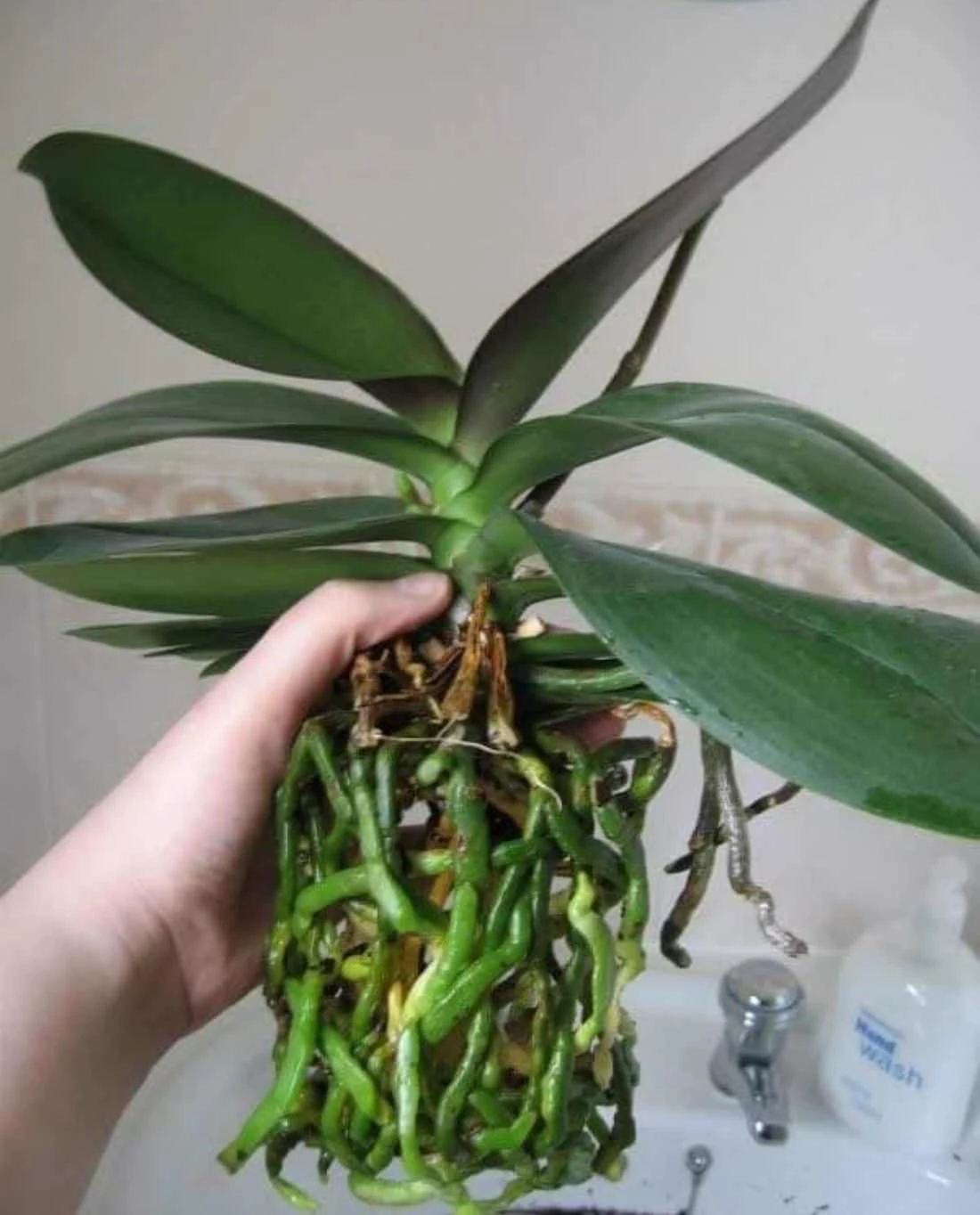
One of the most common mistakes is overwatering plants. Orchids need moisture, but their roots must have access to air. Overwatering leads to rot and dieback.
- Water 1× a week by submerging the pot in standing, lukewarm water for 10–15 minutes.
- Use chlorine-free water and always let the pot drain well.
- The pot should have drainage holes so excess water can easily evaporate.
Thanks to this watering method, orchids will maintain healthy roots and absorb nutrients better.
2. Placement and light – the key to growth and flowers
Proper light conditions significantly affect the growth of orchids. They do best in a bright spot without direct sun.
- An east- or west-facing windowsill is ideal.
- Avoid drafts and direct midday sun, which can burn the leaves.
- Keep the temperature around 20–24 °C.
- In winter, you can use supplementary LED lighting designed for plants.
Moving an orchid to the right spot often leads to new growth and renewed flowering.
3. Fertilizing – an important step toward reblooming
No plant can bloom without nutrition. Orchids need specific nutrients, especially during the growing season (spring to autumn).
- Use liquid fertilizer for orchids every 2 weeks.
- Fertilize always after watering, never on dry substrate.
- In winter reduce frequency to 1× a month or skip fertilizing completely.
It is important that the fertilizer contains nitrogen (N), phosphorus (P), and potassium (K) in a balanced ratio.
Bonus tip: trimming the flower spike
If the flower spike hasn’t completely dried after flowering, you can carefully shorten it above the second or third node. New flowers often grow from these points. Before cutting, make sure you are using clean, sharp garden scissors.
Conclusion: returning to life is easier than it seems
Orchids are sensitive, but with proper care they can bloom repeatedly for many years. Just follow the basic rules – water correctly, place them in a suitable spot, and provide necessary nutrients. These three simple tips can mean the difference between a withering plant and a beautifully flowering one.