Article content
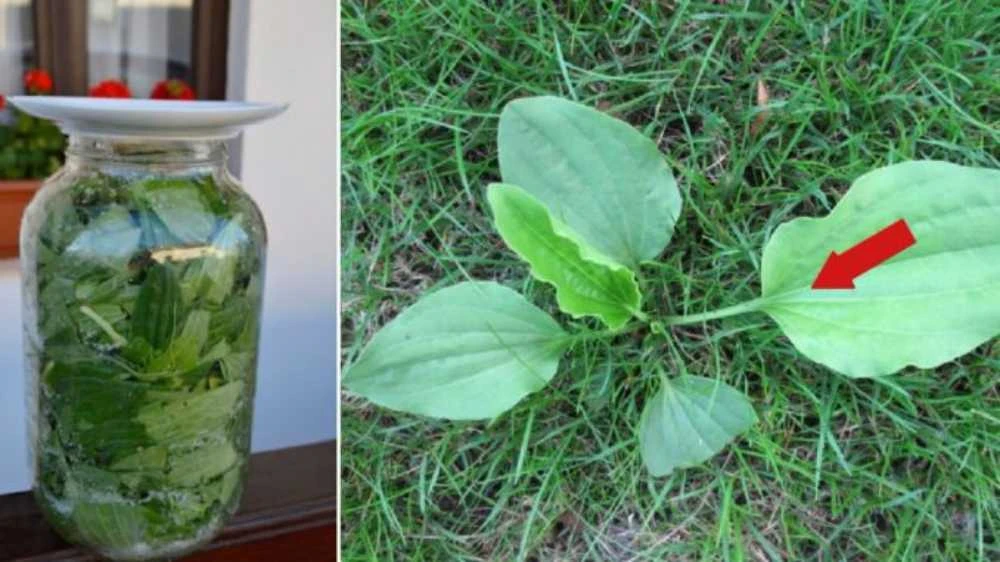
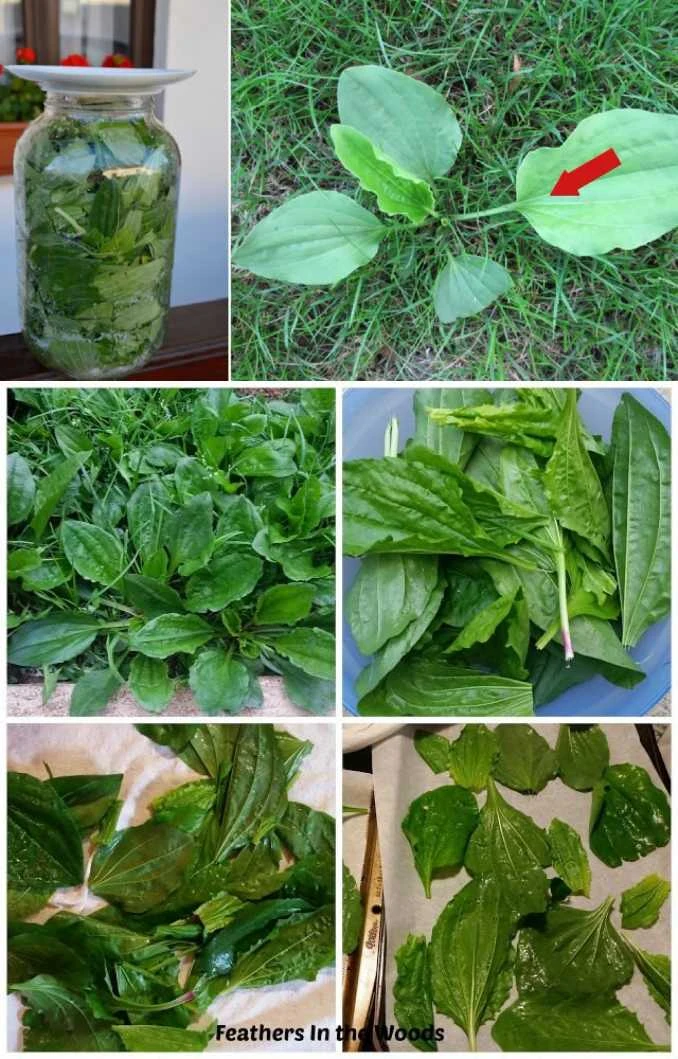
Plantain is a plant that often appears in gardens, in sidewalk cracks and along roads; it is in fact one of the most powerful medicinal herbs in the world. This green herb, often considered a weed, has a strong nutritional profile that makes it ideal for a range of health issues. Let’s look at all the amazing properties this plant offers.
What can plantain do?
Plantain is valued for its anti-inflammatory, antibacterial and healing effects. It helps not only with skin problems such as acne or rashes, but also supports the treatment of arthritis, relieves pain and eases menstrual problems. This herb has a long history of use as a natural remedy that has proven effective in many areas of healthcare.
How to use plantain?
Plantain can be consumed in various ways. You can add the leaves of this plant to different dishes, for example to salads, or eat them directly. However, the greatest medicinal potential is offered by fresh, chewed or crushed leaves applied directly to the skin. Plantain is ideal for treating small skin wounds, insect bites, rashes or other skin irritations.
Plantain for skin problems
If you have skin problems such as bruises, burns, scratches or sprains, plantain is an ideal helper. Simply crush fresh leaves and apply them to the affected area. This plant supports healing, soothes inflammation and disinfects wounds.
Plantain for respiratory diseases
If you suffer from cough, cold or other respiratory problems, a tea or tincture made from plantain will help you. Plantain has expectorant effects and a high content of silicon dioxide, which is effective in treating lung problems and colds. This natural remedy helps loosen phlegm and improves breathing.
Plantain for digestion and detoxification
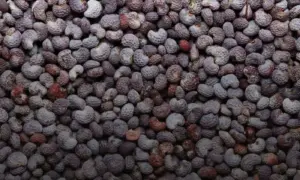
Plantain is a great means of improving digestion and detoxifying the body. Plantain seeds have effects similar to psyllium (as a fiber), which helps with weight loss, improves intestinal peristalsis and ensures better nutrient absorption. You can soak them or grind them and add them to food.
Other uses of plantain
Plantain has a wide range of uses, from treating lung problems to supporting liver and bladder health. Its other effects include:
- Treatment of hemorrhoids: Plantain helps relieve pain and inflammation with hemorrhoids, including in the form of a sitz bath.
- Treatment of oral infections: Tea or syrup made from plantain has a soothing effect on painful infections in the mouth and gums.
- Help with women’s ailments: Plantain is a great helper for menstrual problems, inflammations and other women’s issues.
How to prepare plantain tea or syrup?
1. Tea preparation:
To prepare the tea, add one heaped teaspoon of fresh leaves to 1/4 liter of water. Let it simmer briefly and then let it steep. This tea will help with colds, coughs and inflammations.
2. Syrup preparation:
To prepare the syrup, crush two handfuls of fresh leaves and add 300 grams of cane sugar, 250 grams of honey and a little water. Cook over low heat until you obtain a thick consistency. This syrup is recommended for use with coughs or to soothe lung conditions.
Where to collect and how to harvest plantain?
If you decide to collect plantain, make sure the plant comes from a clean environment, far from dusty places and roads where it could be sprayed with pesticides. It is best to grow plantain in your own garden, where you can be sure the plant is of good quality and does not contain harmful substances.
Conclusion
Plantain is truly a cure-all. From treating skin problems, through supporting digestion, to alleviating respiratory problems and women’s ailments, this unassuming herb is rich in beneficial substances and can help you with a range of health issues. If you have the opportunity to grow it yourself, take advantage of all its healing properties. Whether you use it as a tea, syrup or fresh leaves, plantain is a plant you should not overlook.