Article content
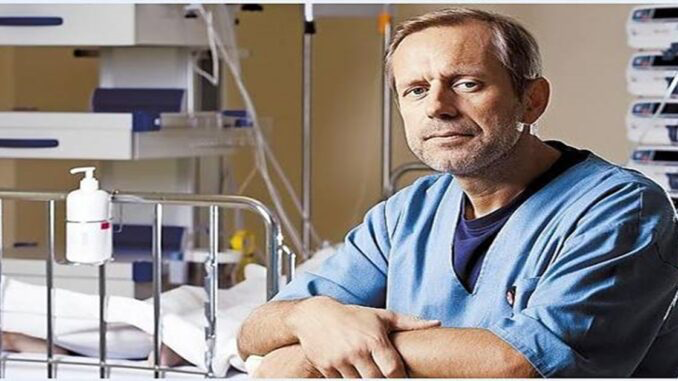
Dr. Peteris Klava, a well-known pediatrician in Latvia, also known by the nickname “Dr. House”, has recently come to public attention not only because of his uncompromising opinions but also for his openness on issues of children’s health. In an interview he revealed several shocking pieces of information that may change many parents’ views on raising and protecting their children. In the following article we look at some of his key ideas, which can be not only inspiring but also worrying.
1. Why is Dr. Klava considered “Dr. House”?
Dr. Klava is nicknamed “Dr. House” not only because of his openness and honesty, but also because of his unique approach to treating children. He is known for his critical attitude toward human stupidity and emphasizes that children are much smarter than most adults, especially when it comes to their health. In an interview on children’s health he points out the alarming fact that many parents today underestimate the risks that can threaten their offspring’s lives.
2. The biggest threats to children’s health – traffic accidents and lack of safety
According to Dr. Klava, traffic accidents are one of the main factors threatening children’s health in Latvia. It is shocking that even though there are safety regulations and recommendations, many parents still ignore basic safety measures such as wearing helmets when cycling, placing children in child seats, or fastening seat belts. “Children who are not properly protected are exposed to dangers that could be easily prevented,” says Dr. Klava.
3. Dr. Klava on parents – 60–70% of them are “idiots”
One of Dr. Klava’s most controversial statements was his claim that 60–70% of parents are “idiots.” According to him, many parents overlook basic safety measures, which has fatal consequences for their children. An example might be a child who drank drain cleaner because they found it in a bottle similar to a soda bottle. Dr. Klava emphasizes that it is not possible to blame children for getting into dangerous situations when their parents do not provide appropriate supervision.
4. What should every parent do to ensure a child’s safety?
Dr. Klava recommends several simple steps that can significantly increase children’s safety:
- Use common sense: hide dangerous chemicals, medicines, and other hazardous items from children.
- Pay attention to traffic safety: make sure your children use seat belts, helmets, and are always in child seats.
- Provide emotional support: a child’s emotional development is also important, as it affects their future life and ability to cope with stressful situations.
5. Social responsibility and upbringing – what is your view?
Dr. Klava is pessimistic about social responsibility. According to him, nowadays more and more people care for their dogs and cats better than for their children. Pets receive regular care, quality food, and consistent attention, while children often lack the emotional and affectionate support they need. This trend, according to Dr. Klava, will lead to a greater number of infantilized adults who will be unable to form strong and stable family relationships.
6. The importance of education and emotional support for parents
When it comes to education, Dr. Klava emphasizes that a university degree or reading a few parenting books is not a guarantee of good upbringing. What children truly need is emotional support and a stable family environment. Studies suggest that children who are often cuddled and feel love and security grow up happier and more balanced.
7. Conclusion – how to take care of your children’s health and well-being?
Love for children, as understood by Dr. Klava, is not only about material things but above all about responsibility, patience, and compassion. Children need not only physical protection but also emotional stability to help them grow into healthy and happy adults. This requires fully committing to parenthood and constantly being aware of the responsibility we take on when raising new generations.