Article content
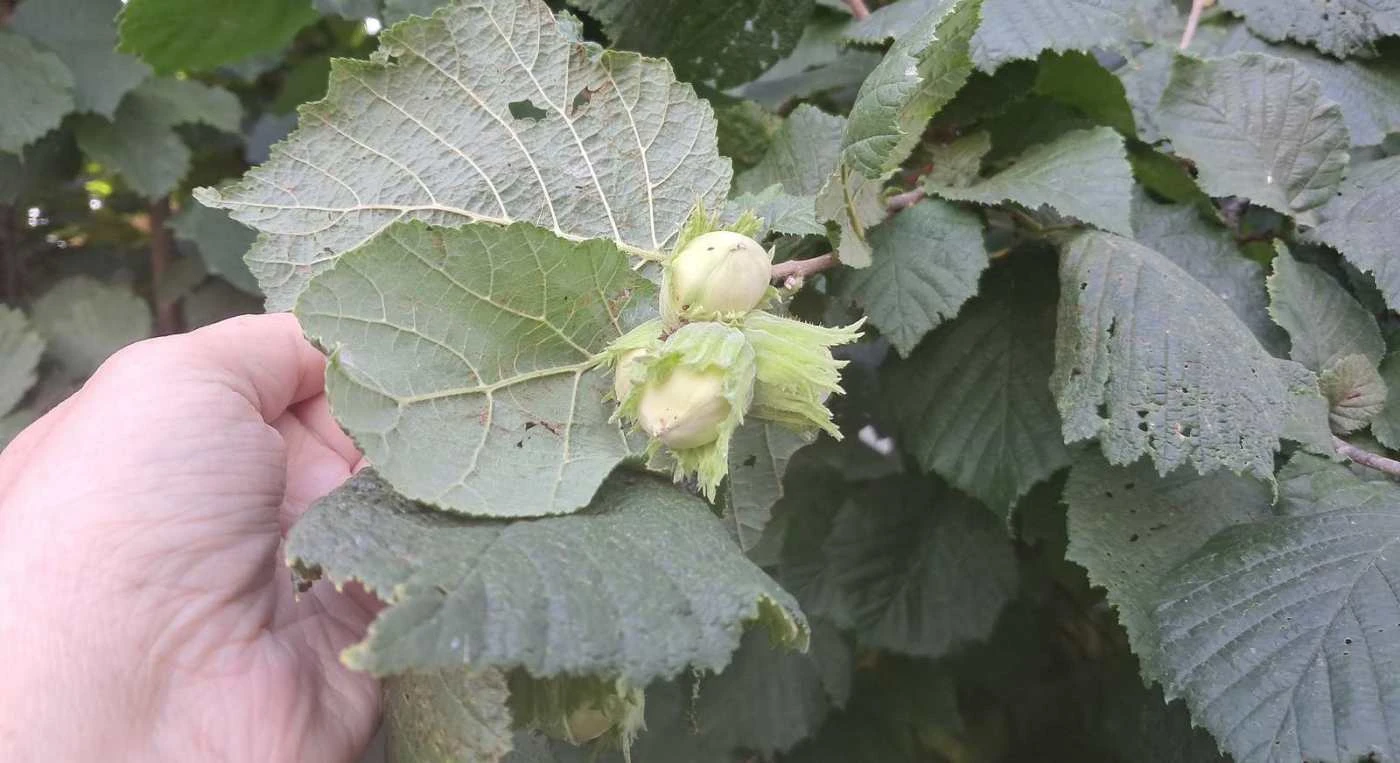
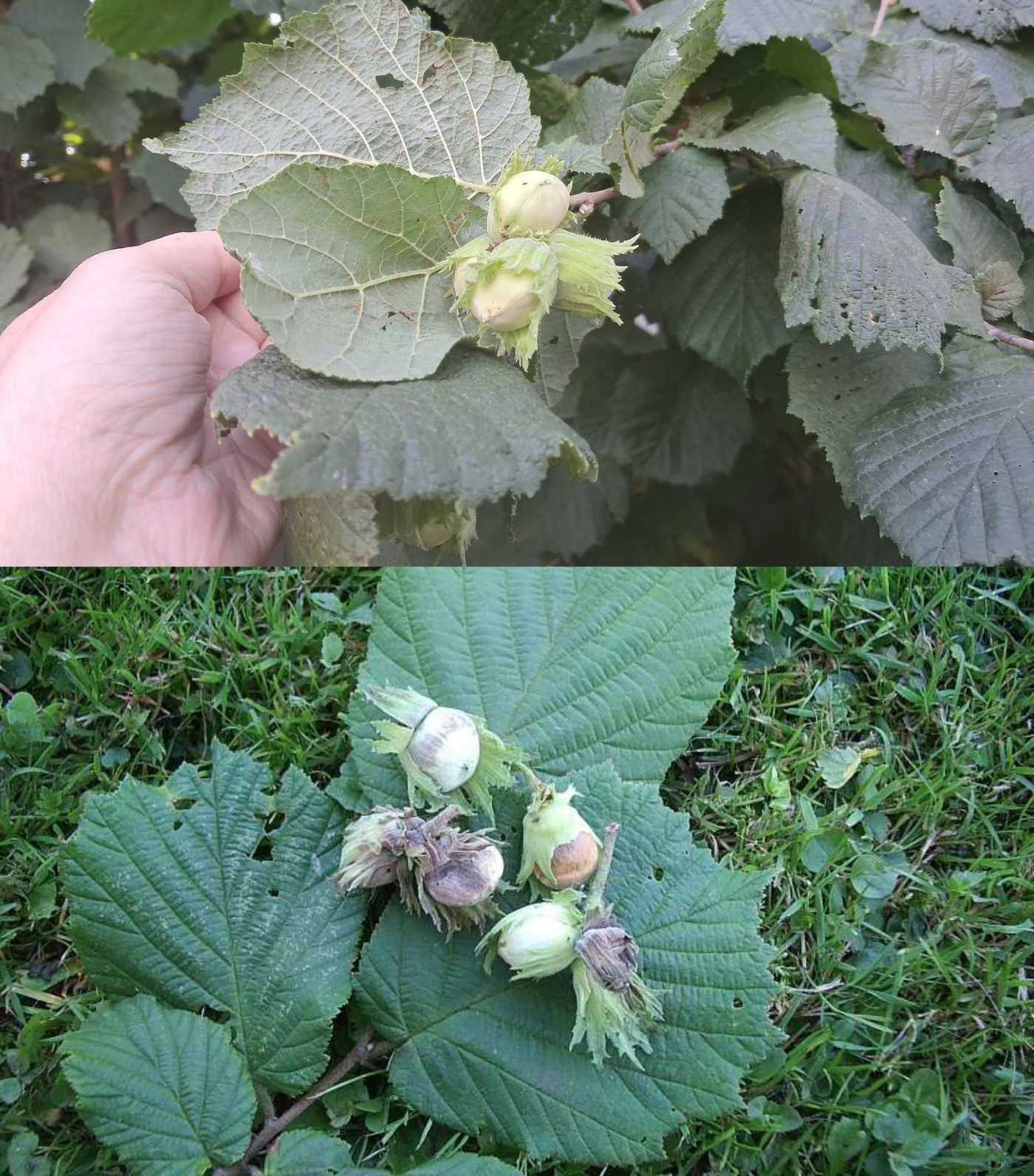
The common hazel is among the well-known shrubs of our gardens and forests, but it usually only attracts attention at the time when tasty nuts ripen on it. Few people know that its leaves have significant healing properties that can help not only with urinary tract problems but also with varicose veins, swelling, or hemorrhoids.
In folk medicine, besides the fruits, the bark and catkins are also used, but it is the leaves that contain substances worth attention. According to experts, they have astringent, healing and anti-inflammatory properties, cleanse the blood and help the body with natural detoxification.
Hazel leaves as food and medicine
History shows that hazel leaves were used not only for healing but also as food. As early as the 15th century they were added to meat dishes in England; in Scotland they were even ground into flour and used in baking bread or biscuits.
The main power of the leaves lies in their ability to improve blood flow and reduce the risk of clot formation. Therefore they are suitable for people suffering from varicose veins, swelling of the lower limbs, or peripheral circulation disorders.
They can also help with digestive problems, diarrhea, flatulence, or cramps of smooth muscle. Herbal medicine recommends their use also for hemorrhoids, purulent wounds, and inflammations.
A great addition to tea
Czech herbalist and physician Zbyněk Mlčoch states that hazel leaves are an ideal addition to tea blends supporting the urinary tract. For preparation, two teaspoons of chopped leaves are used per cup of boiling water.
Tea prepared this way has mildly diuretic effects, helps cleanse the body and supports the proper function of the kidneys and bladder.
Leaves can also be used in other ways:
- chewing fresh leaves helps with bleeding gums,
- compresses made from leaves relieve varicose veins,
- sitz baths are suitable for hemorrhoids.
Hazel as a source of antioxidants
Modern scientific studies confirm that hazel leaves contain substances with antioxidant and antimicrobial effects. Leaf extracts show high activity in protecting cells from free radicals, which is important not only for preventing premature aging but also for defense against lifestyle diseases.
According to experts, hazel leaves could also become an important natural source of substances that can help replace chemical preservatives or complement treatment for infections. At a time when resistance to antibiotics is increasing, natural remedies are gaining importance.
How to harvest and use hazel leaves
- Young leaves are collected in spring or early summer, when they contain the most active substances.
- They are dried in the shade and used as tea or compresses.
- They can also be combined with other herbs (e.g., horsetail, nettle, or calendula) to enhance the effect.
Conclusion
Hazel leaves are often overlooked in our gardens, yet they represent a strong ally in caring for the health of both women and men. They help with urinary tract issues, alleviate manifestations of varicose veins, support blood circulation, and thanks to their antioxidant properties act preventively against a range of diseases.
Perhaps it’s time that we perceive the hazel not only as a source of nuts but also discover its other possibilities.