Article content
Houseleek (Sempervivum tectorum) is an unassuming but extraordinarily powerful plant that grows even in the harshest conditions. Its name means “always alive” – and it has exactly that effect on the human body. It is a plant everyone who believes in the power of natural medicine should have at home.
What is houseleek and why grow it
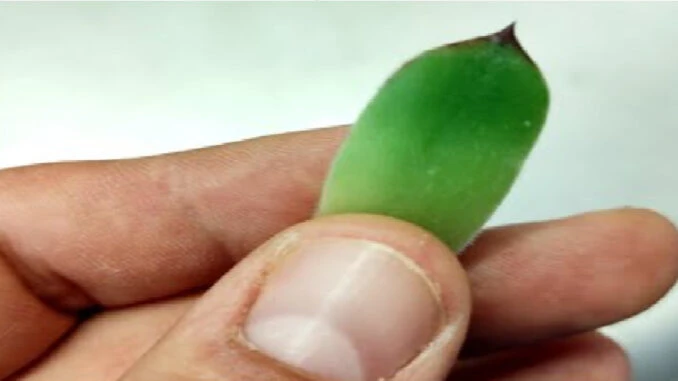
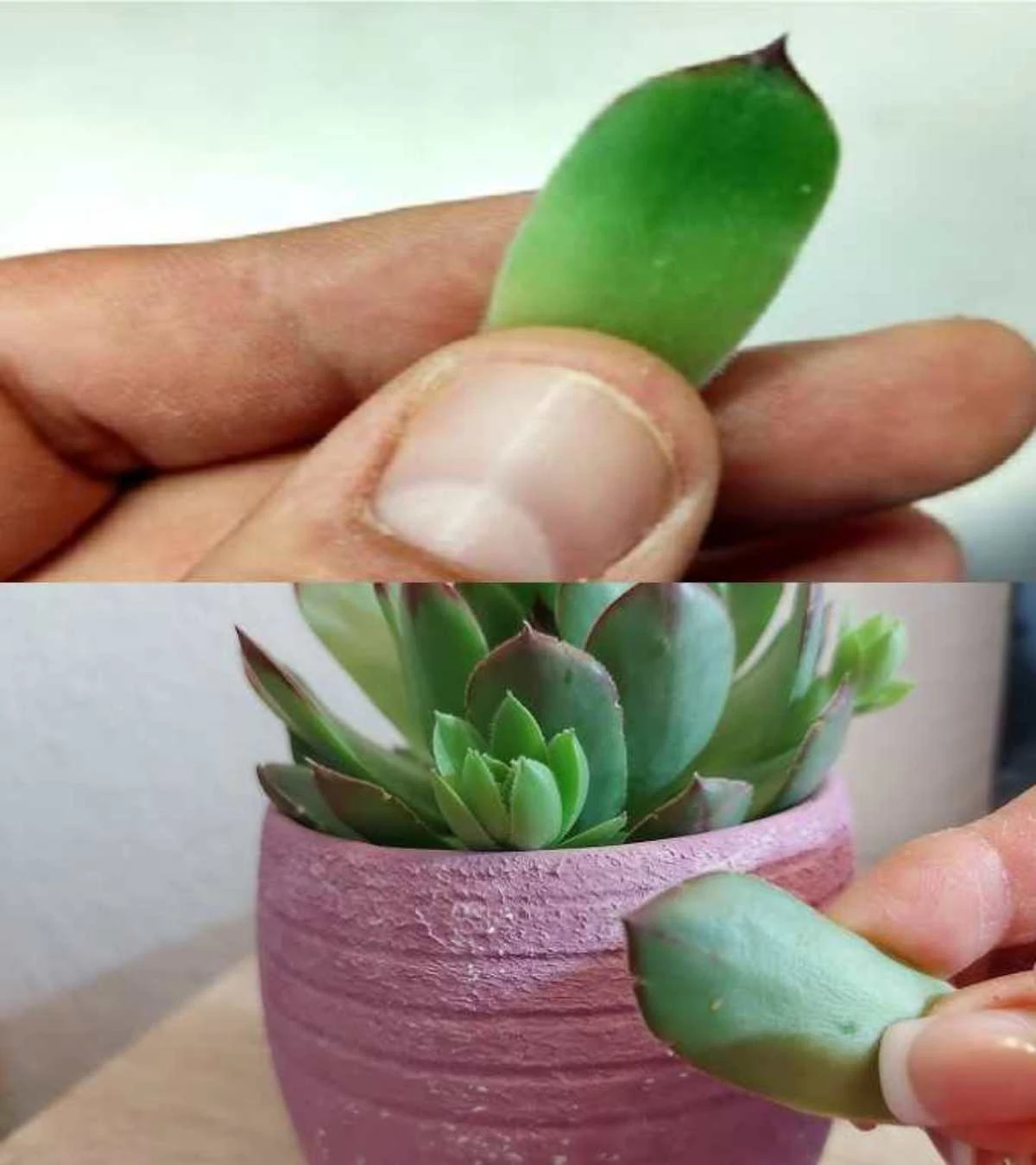
Houseleek is a succulent plant that is easy to grow. It thrives where other herbs won’t survive – on rocks, roofs or in pots. It needs only a little light and minimal care. This plant is edible and medicinal and has been used in folk medicine for centuries. From its fleshy leaves are made juice, tincture, ointment and tea. The simplest way to use its power is to eat one fresh leaf every morning on an empty stomach.
How to consume houseleek
In the morning after waking, tear off one healthy leaf, rinse it under running water and slowly chew it. The taste is fresh and slightly tart. Such a ritual acts as an internal disinfectant for the body and a great start to the day. Regularity is key – after just a few days you will notice improvements in digestion, immunity and overall vitality.
What houseleek leaves contain
- Malic and formic acid – support detoxification and digestion.
- Vitamins A and C – protect immunity and improve skin condition.
- Plant mucilage, carbohydrates and tannins – have healing and anti-inflammatory effects.
- Phytotherapeutic compounds – have antiseptic and antibacterial properties.
Thanks to this combination, houseleek has anti-inflammatory, healing and regenerative effects when used both internally and externally.
Effects of regular consumption of houseleek leaves
- Strengthens the immune system and protects against infections.
- Improves digestion and helps with stomach problems, gastritis and ulcers.
- Acts against the bacterium Helicobacter pylori.
- Helps with bronchitis, asthma and respiratory tract inflammations.
- Supports thyroid function and hormonal balance.
- Reduces cysts and fibroids.
- Soothes oral inflammations and helps with canker sores.
- Has a diuretic effect (promotes drainage) and is mildly laxative.
External uses of houseleek juice
The plant also has wide use in skin care and healing minor wounds.
- Ears: Drop 2–3 drops of juice into the sore ear, leave it for a few minutes and then turn your head so the liquid can drain out. It helps with inflammations and blockage of the ear canal.
- Eyes: In folk medicine the juice was used for conjunctivitis (always very carefully and diluted).
- Skin: Apply directly to warts, cold sores, eczema, rashes, burns and small wounds. It reduces inflammation and speeds up healing.
Precautions and possible contraindications
- The plant must come from a clean environment free of pollution or traffic.
- Do not exceed the recommended amount – excessive doses can cause diarrhea or nausea.
- Pregnant and breastfeeding women should not consume it.
- People sensitive to plant juices may experience an allergic reaction.
A botanical curiosity
Houseleek is a symbol of resilience and eternal life. It contains so much water that even after 18 months of drying in a herbarium it managed to “wake up” again when planted back into soil. Its strength symbolizes regeneration, vitality and balance.
Summary
Houseleek is a true treasure of nature. It helps the body inside and out, strengthens immunity, improves digestion and acts against inflammations. It is easy to grow and offers extraordinary health benefits. Try eating one fresh leaf every morning and you will soon feel how this plant restores the body’s energy and balance.