
Article content
If you suffer from gas and bloating, we have a natural solution for you. Apricots are a fruit that can significantly improve your digestion while bringing a number of health benefits. These small fruits are often eaten dried, but they definitely should not be missing fresh, because they contain lots of nutrients that will support your health.
Apricots grow best in warm climates and need plenty of sun to produce quality fruit. In our regions they appear mainly in summer or at the end of that season. They are often overlooked compared to other popular fruits like peaches and nectarines, yet apricots have many positive effects on health that you should not ignore.
Apricots: A great source of antioxidants
Apricots are an excellent source of beta-carotene, which is a powerful antioxidant. Beta-carotene protects the body from free radicals, slows down the aging process and reduces the risk of heart disease, diabetes and even cancer. This antioxidant also has a positive effect on eye and skin health, which is why apricots should be a regular part of your diet.
In addition to beta-carotene, apricots also contain flavonoids and zeaxanthin, which support eye health. Zeaxanthin helps protect the retina and prevents degeneration, which is a common problem in older people. Apricots therefore not only improve the appearance of your skin, but can also protect your eyes.
Rich in vitamins and minerals
Apricots are full of B vitamins, vitamin C and provitamin A (beta-carotene), which are important for proper immune system function, skin and the nervous system. They are also an excellent source of potassium (275 mg/100 g), which plays a key role in regulating blood pressure, proper muscle and kidney function, and in the transmission of nerve impulses.
This combination of nutrients makes apricots an ideal choice for ensuring overall health and vitality.
Natural support for digestion
Apricots contain a large amount of fiber, which has a positive effect on digestion. Fiber acts like a “brush” for our intestines, stimulates their peristalsis and facilitates the movement of food. This means that regular consumption of apricots can help prevent problems such as constipation or irregular bowel movements.
Thanks to these properties you can also get rid of unpleasant problems with gas and bloating. The digestive system will work better, and you will enjoy a more comfortable life without these delicate problems.
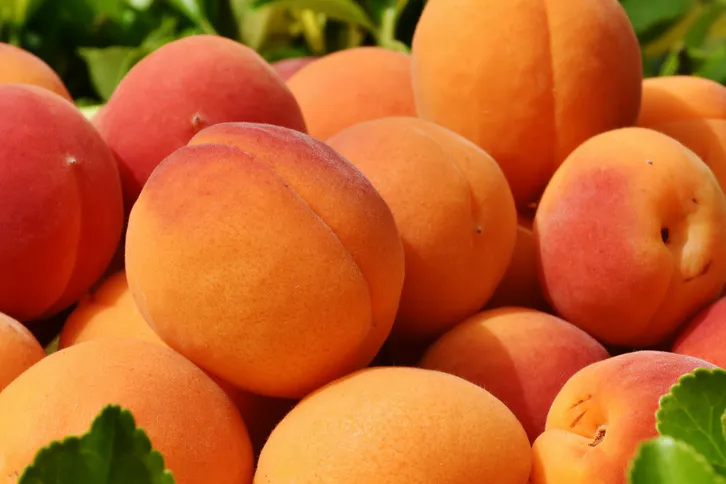
Dried vs. fresh apricots
Apricots can be consumed in several forms. Fresh apricots are ideal during their season, when they are full of flavor and nutrients. On the other hand, dried apricots are caloric, but their nutritional value is more concentrated. This means that even a small amount of dried apricots contains more vitamins, minerals and fiber than a larger amount of fresh fruit.
Dried apricots are therefore a great snack for physically active people who need a quick source of energy. However, it is important to choose apricots that do not contain sulfur, because sulfur can have negative effects on health.
How to include apricots in your diet?
Apricots can be eaten in many ways – you can add them to smoothies, yogurts, cereals or enjoy them just as they are, as a healthy snack. Dried apricots are also great for baking or preparing various desserts. During the season it is ideal to consume fresh apricots, but dried varieties are useful as a long-lasting source of vitamins and minerals throughout the year.
Conclusion
Apricots are a fruit that should not be missing from your diet. They are rich in vitamins, minerals, antioxidants and fiber, which make them an excellent helper for the health of your body. Whether fresh or dried, apricots can help you not only improve digestion and eliminate problems with gas, but also support your eyes, skin and overall health. Include apricots in your diet and enjoy their benefits all year round!