Article content
Dill is known primarily as a popular seasoning for sauces, soups, or when pickling cucumbers. Few people, however, know that this medicinal herb can do much more than just flavor food. Our ancestors already knew that dill is a rich source of valuable substances and can have significant effects on health. It is even referred to as an herb that in some respects is even more effective than garlic.
Why dill is so exceptional
Dill contains a whole range of vitamins and minerals. It contains vitamin C, E, B vitamins, but also iron, calcium, magnesium, zinc and copper. Thanks to this, it acts as a strong antioxidant that protects cells from damage by free radicals and supports the body’s defenses.
- Antioxidant – vitamins C and E protect the body from oxidative stress.
- Minerals – iron supports blood formation, calcium and magnesium benefit the bones and nervous system.
- B vitamins – support proper metabolic and nerve function.
Antibacterial effects and boosting immunity
Dill has proven antibacterial properties. It helps prevent the multiplication of pathogenic bacteria and strengthens the immune system. It proves effective, for example, in gum inflammation, phlegm, or cough.
For quick relief, chewing dill seeds is recommended, which can destroy bacteria that settle on the tongue and in the mouth.
Dill and blood pressure
One of the most interesting properties of dill is its ability to act as a vasodilator – that is, to dilate blood vessels. A substance called apiol affects the parasympathetic nervous system and improves blood flow. The result is:
- reduced blood pressure,
- less strain on the heart,
- better blood supply to the heart muscle.
Regular consumption of dill is therefore recommended for people with high blood pressure, but it also benefits those who want to support the health of their blood vessels and heart.
Dill and blood sugar
Dill contains vanadium – a trace element that supports carbohydrate metabolism and has an effect similar to insulin. Because of this, it can help regulate the level of blood sugar and at the same time reduces cholesterol production in the liver.
For people who struggle with high glycemia or metabolic disorders, dill is thus a welcome helper.
Dill and the urinary tract
Urinary tract infections are among common health problems. The most frequent cause is the bacterium E. coli, against which dill is very effective. If you suffer from frequent inflammations, you can try a decoction of dill seeds – either as a drink or by adding it to a bath.
Decoction recipe: Boil 30 g of dill seeds in 1 liter of water for about 15 minutes.
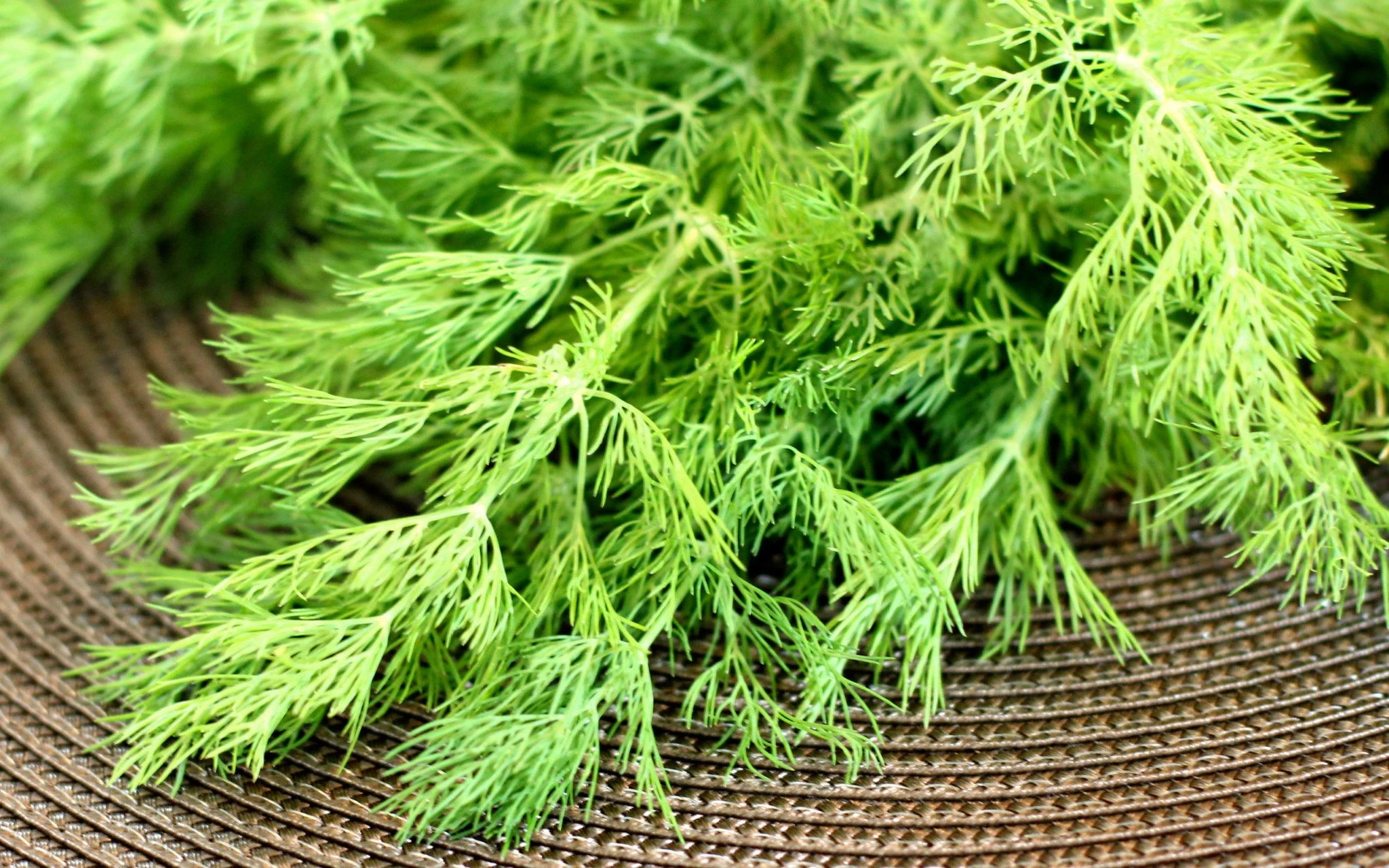
Dill tea – a simple recipe
You can also enjoy dill in the form of tea. Simply pour 3 dl of boiling water over two teaspoons of dried dill or leaves and let it steep for at least 10 minutes. The tea helps with digestion, supports the respiratory tract and calms the body.
Dill as a daily helper
Regular inclusion of dill in the diet can bring many health benefits. It supports lowering blood pressure, helps regulate blood sugar, has antibacterial effects and benefits digestion and the urinary tract.
In addition, it is also used for problems with obesity, reducing cellulite, inflammations or to support vitality. It is therefore an herb that deserves much more attention than just as part of dill sauce.

Conclusion
Dill is rightfully considered a huge treasure of nature. It is cheap, available and at the same time very effective. If you include it in your diet not only as a spice but also in the form of tea or a decoction, you can make a big step for your health.
What do you think – did you know all the medicinal effects of dill, or have you so far been using it only in the kitchen?