Article content
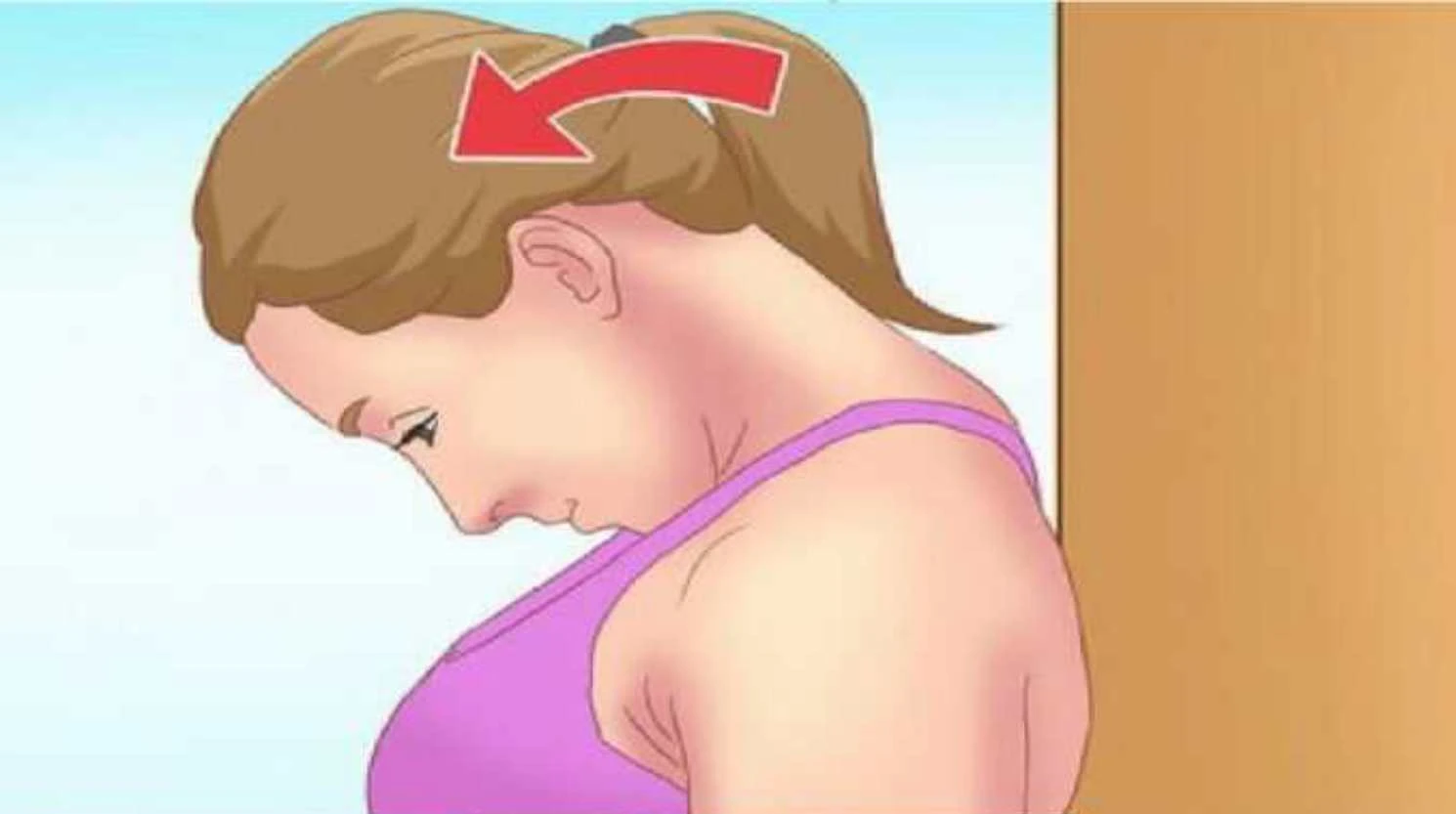
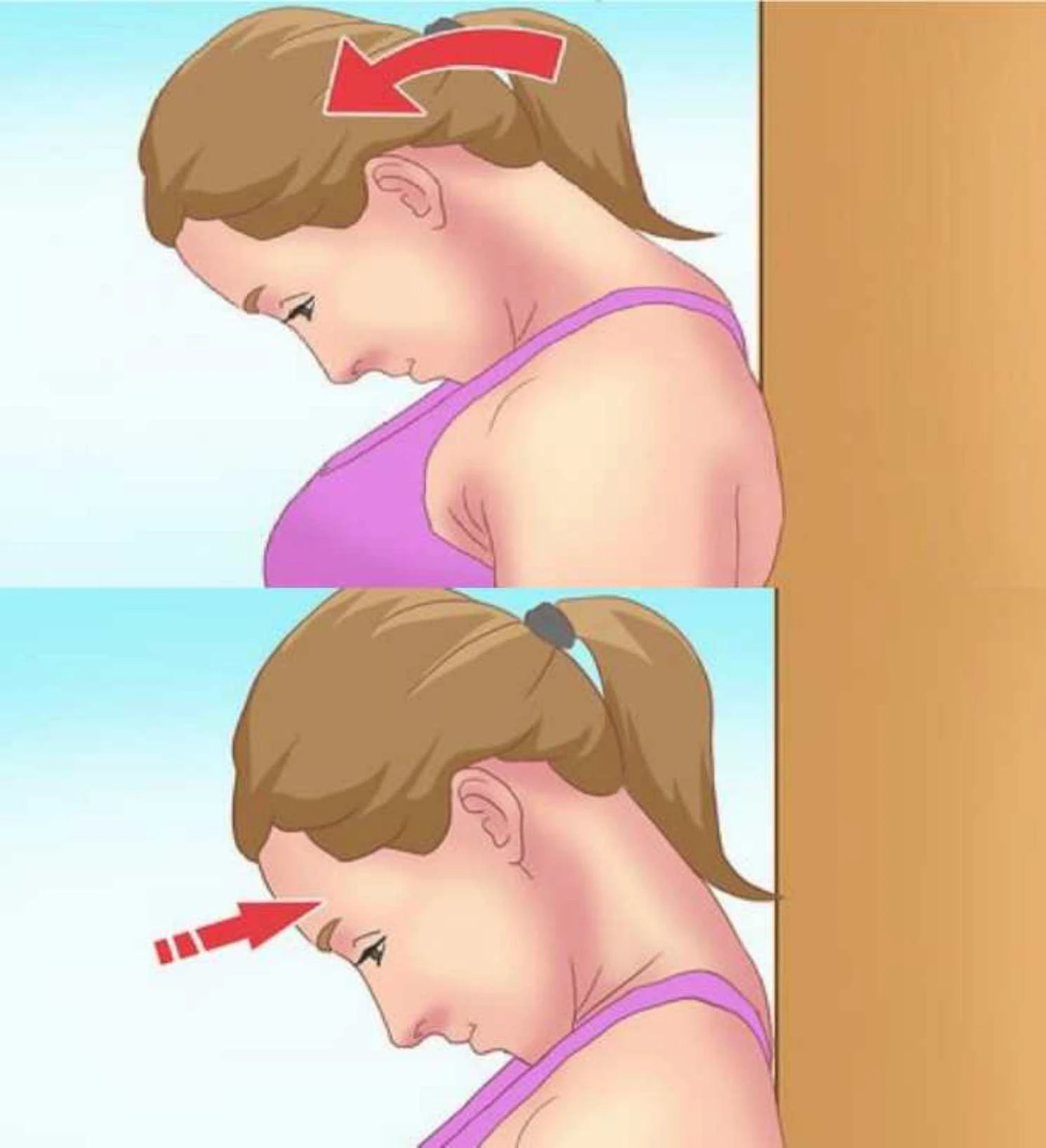
You may have experienced this before – you bend your head forward and suddenly feel as if a sharp electric shock ran down your spine. This sensation lasts only a second, but it should definitely not be underestimated. It can be a warning sign that something is wrong with your health.
One of the diseases that can cause this symptom is multiple sclerosis – a serious chronic disease of the central nervous system. Although it has many different manifestations, there is one fairly typical one that recurs in some patients. It is called the Lhermitte’s sign.
What is multiple sclerosis and why it is hard to detect
Multiple sclerosis (MS) is an autoimmune disease in which the immune system attacks the protective sheath of nerve fibers – myelin. This sheath acts like insulation that ensures the rapid transmission of nerve signals. If it is damaged, nerve impulses slow down or stop altogether, which leads to a wide range of neurological symptoms.
The problem is that MS symptoms vary from person to person. Some have vision problems, others have movement issues, others suffer from fatigue or pain. This diversity of symptoms is often why it takes a long time for the disease to be correctly diagnosed.
Lhermitte’s sign – an electric shock in the spine
According to medical studies, approximately one third of patients with multiple sclerosis report that when they bend their head forward they feel a sudden electrifying sensation that radiates from the neck along the spine and can reach the arms or legs. This phenomenon is called the Lhermitte’s sign.
The British health organization Multiple Sclerosis Trust describes it as “a sudden electric shock-like sensation that passes through the back of the neck and spine and often spreads to the limbs.” It typically occurs when bending the head toward the chest, when nodding, or with other neck movements.
Why Lhermitte’s sign occurs
This phenomenon occurs when the nerve fibers in the spinal cord are damaged due to demyelination. When the head moves, the spinal cord stretches slightly and the disrupted nerves begin to send faulty signals – the brain then interprets them as an electric shock.
According to professional publications, for example in the journal Annals of Indian Academy of Neurology, the Lhermitte’s sign is often associated with the presence of lesions on the spinal cord in patients with MS.
It’s not just multiple sclerosis
Although the Lhermitte’s sign is most often mentioned in connection with multiple sclerosis, it can have other causes. These include, for example:
- spinal cord damage after an injury
- herniated intervertebral disc
- side effects of chemotherapy
- autoimmune diseases, such as lupus
- parasitic infection of the spinal cord
- compression (pressure) of the spinal cord
- shingles
- certain infections or inflammatory diseases
Therefore it is always important to see a doctor, preferably a neurologist, who will perform the necessary examinations and determine the cause.
When to see a doctor
If this sensation repeats, especially if it is accompanied by other neurological symptoms such as numbness of the limbs, balance disorders, worsening vision, or severe fatigue, do not delay visiting a doctor. Early diagnosis of multiple sclerosis or another disease can significantly affect the course and success of treatment.
Conclusion
Lhermitte’s sign is a warning signal that we should not take lightly. Although it can be caused by various factors, in some patients it is associated with a serious disease such as multiple sclerosis. Monitor your body, do not underestimate unusual sensations, and if in doubt consult a specialist.
Your healthy lifestyle and timely prevention are the keys to long-term health.