Article content
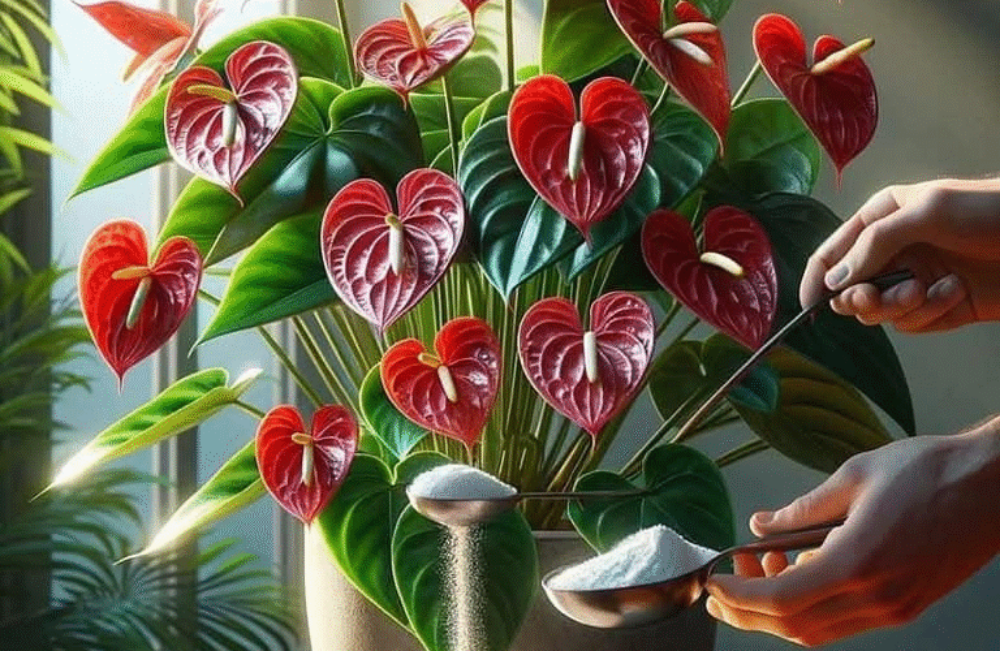
Anthurium is one of the most popular houseplants, enchanting with its exotic look and beautiful flowers all year round. If you provide it with proper care, it can bloom almost continuously. This article brings you 7 simple rules for caring for an anthurium that will help you achieve abundant flowering and healthy growth. Learn how to water it correctly, where to place an anthurium and which pot to choose so you can enjoy its beauty as long as possible.
1. Understanding the natural needs of anthurium
Anthurium originates from tropical rainforests, where it grows as an epiphyte on trees or rocks. In nature it is exposed to an airy environment and its roots do not suffer from waterlogging. If you want your plant to prosper at home, it is necessary to mimic its natural conditions.
Recommendation: Use a well-aerated substrate that drains water well, for example a mix of peat, perlite and bark. At the same time it is important that the pot has good drainage.
2. Watering sensibly – less is more
One of the most common mistakes made when caring for an anthurium is overwatering. This plant does not tolerate waterlogging, which can lead to root rot.
Ideal watering frequency: Wait until the top 2–4 cm of soil have dried out before watering the plant again. Never leave water in the saucer under the pot. In winter months we recommend reducing watering even more, because the plant needs less water during that time.
3. Proper light conditions – no light, no flower
Anthurium needs plenty of light, otherwise it will not bloom. The most suitable place is a spot with diffused daylight, ideally near an east- or west-facing window. Avoid direct midday sun, which could cause leaf burn. Dark corners are also unsuitable – in them the plant will produce only leaves and will not flower.
4. Choosing a pot – smaller is better
If you choose a pot that is too large, the anthurium will focus on root growth, which will slow down flowering. In a smaller pot the plant will have greater motivation to produce flowers.
Recommendation: Use pots only a few centimeters larger than the previous one. Don’t forget drainage – you can place expanded clay or pebbles at the bottom of the pot to ensure excess water does not sit at the roots.
5. Tips for long-lasting beauty
Regular care is important to maintain the health and beauty of your anthurium. Wipe the plant’s leaves regularly to remove dust so they can breathe properly. Fertilize every 2 weeks during the spring and summer with a special fertilizer for flowering plants. The optimal temperature for an anthurium is between 18 and 25 °C. Avoid drafts, as they can damage the plant. If the leaves begin to yellow, this may be a sign of overwatering or root rot; in that case you must act quickly and repot the plant.
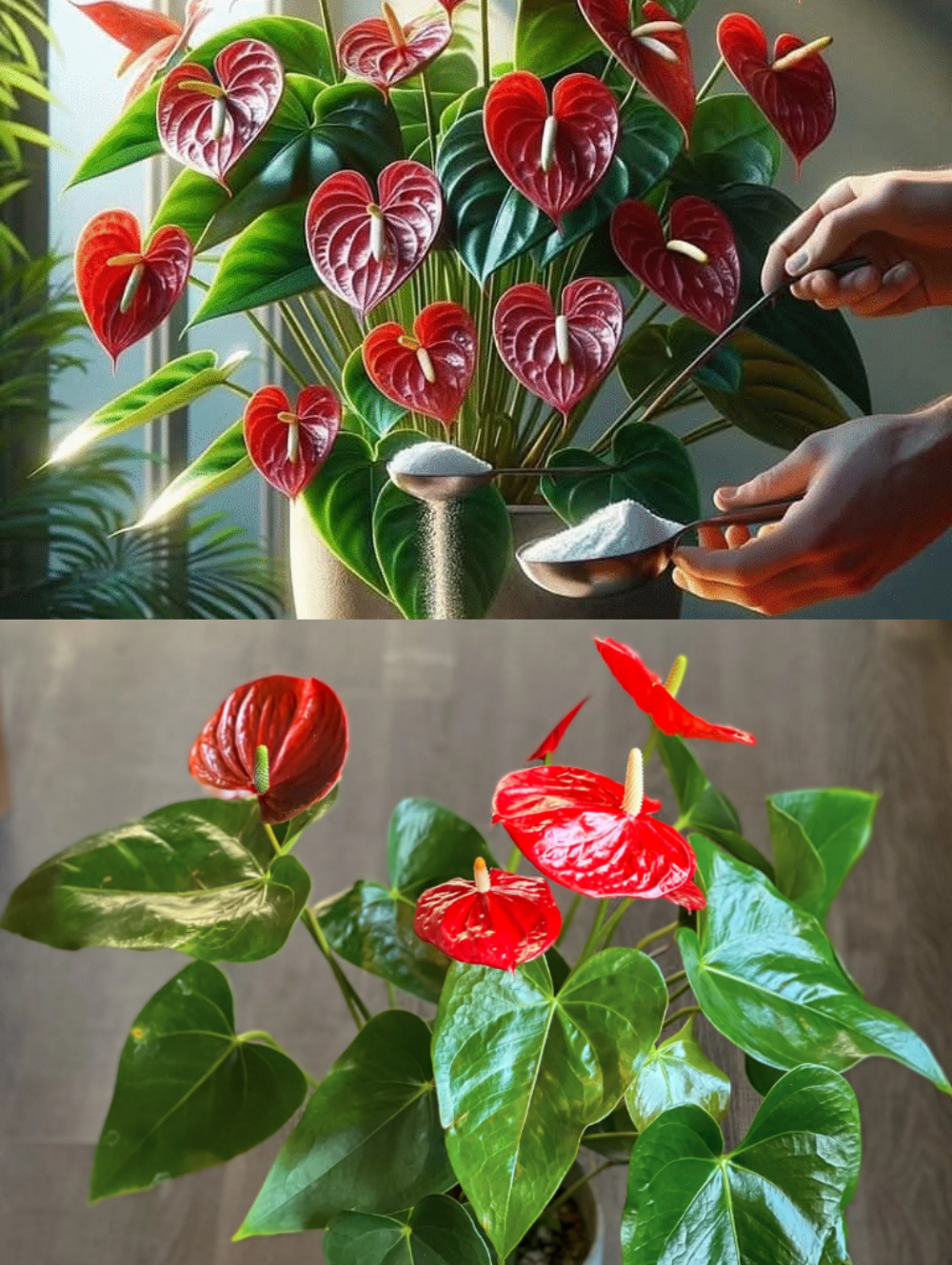
Summary of anthurium care
Caring for an anthurium is not difficult if you stick to these basic rules. If you provide it with the right light conditions, regular watering, a suitable pot and enough nutrients, it will reward you with abundant and long-lasting flowering. With proper care your anthurium will be blooming and healthy for a long time.
Anthurium care table:
| Factor | Recommendation |
|---|---|
| Substrate | Well-aerated, with good drainage (e.g. bark, perlite) |
| Watering | After the top layer of soil dries |
| Light | Bright, indirect, min. 10 hrs/day |
| Pot | Preferably smaller, with drainage |
| Temperature | 18–25 °C |
| Fertilization | Every 2 weeks during the growing season |
Care that brings joy
If you take good care of your anthurium, it will reward you not only with beautiful flowers but also with a healthy appearance. With the right care an anthurium can bloom almost continuously, which is a guaranteed way to add an exotic touch to any room. Remember that each plant reacts differently to its environment, so it is important to observe its needs regularly and adjust care according to the plant’s current condition.
If you enjoyed this article, share it with friends, give it a like and follow our page for more practical tips on caring for houseplants. Your support helps us grow.