Article content
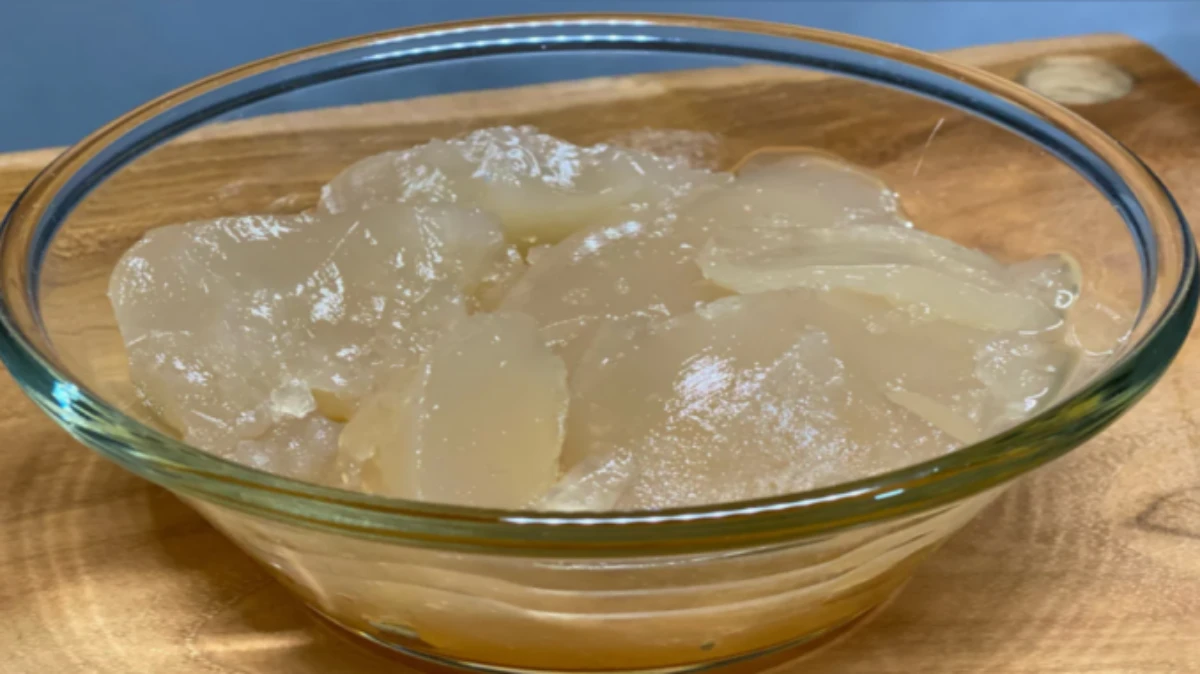
Aspic is a traditional delicacy that our grandparents loved not only for its taste but also for its health benefits. It contains natural collagen and elastin, which can help support digestion, joints, skin and overall regeneration of the body. Below you will find an overview of effects, practical tips and a tried-and-true recipe step by step.
The healing power of aspic
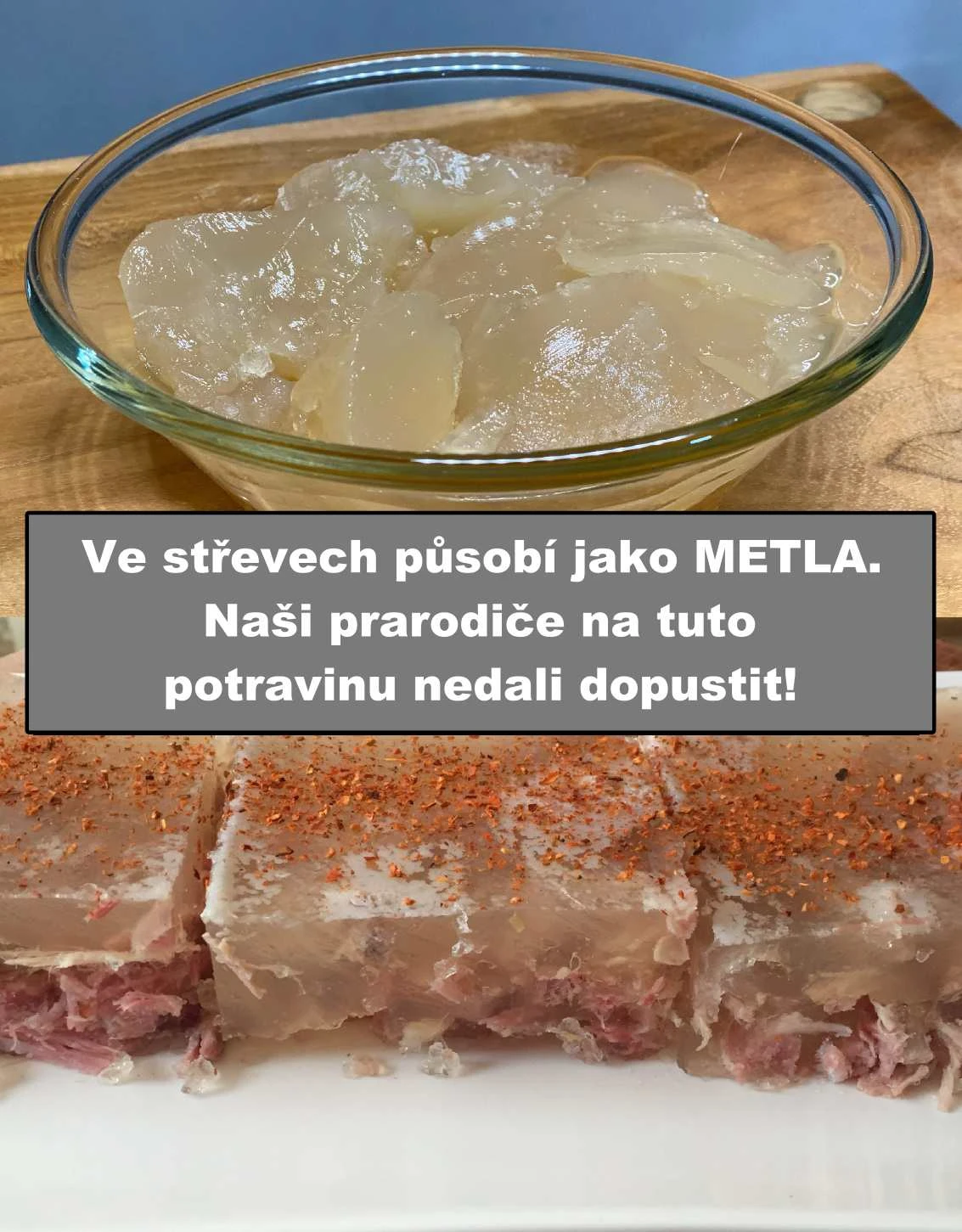
One of the key components of aspic is collagen, nicknamed „the protein of youth“, and elastin, which supports tissue elasticity. Thanks to its high gelatin content, aspic can act like an imaginary „broom“ for the intestines – it helps soothe and support digestion and contributes to better nourishment of the intestinal mucosa.
- Joint support: a natural source of collagen for cartilage, tendons and ligaments.
- Skin, hair, nails: skin elasticity, nail strength and hair vitality.
- Digestion: gelatin can help soothe the digestive tract and support digestive comfort.
How to reduce fat and get „clean“ aspic
Most of the fat settles on the surface after cooling. It can be easily skimmed off with a spoon or poured off. You will remove some of the fat already before cooking – from the meat, cut off visible fatty parts from the skins and the knuckle. This way you obtain a clear, collagen-rich broth with a pleasant taste and lower caloric value.
Recipe for traditional homemade aspic
Ingredients
- 1/2 pork head
- 2 pork trotters
- 1 pork knuckle
- 1 kg pork skins
- 1 onion
- 3–4 carrots
- 2 cloves of garlic
- 10 black peppercorns
- 2 teaspoons salt (to taste)
- 1 teaspoon ground sweet paprika
Method
- Preparing the ingredients: carefully clean the meat, trotters, knuckle and skins. Remove excess fat.
- Cooking the broth: place everything into a large pot and cover with cold water so that everything is submerged (about twice the volume of the meat). Put the onion, garlic, pepper and salt into a cloth bag and add it to the pot.
- Simmering: bring to a boil, then reduce the heat and simmer gently for 3–4 hours, until the meat falls off the bones. Skim off foam and impurities during cooking.
- Straining and deboning: remove the meat, separate the bones and cartilage, and strain the broth through a fine sieve. You can partially skim the fat from the surface now.
- Seasoning: stir the ground sweet paprika into the clear broth and heat briefly (bring to a boil).
- Filling: shred the meat into smaller pieces and distribute into bowls or deep plates. Pour the hot broth over so the meat is completely submerged.
- Setting: let cool completely and then move to a cold place (pantry, refrigerator). After it sets you can remove the solidified fat from the surface.
- Serving: serve chilled with fresh onion, bread and a splash of vinegar to taste.
Tips for bolder flavor and greater nutritional value
- Add root vegetables (carrot, celery, parsley root) to the broth for a fuller flavor.
- For aroma use bay leaf and allspice – place them with the pepper in the bag.
- Do not let the broth boil vigorously the whole time – a gentle simmer helps achieve a clear consistency and better gelling.
- After it sets, remove the fat with a spoon – you’ll get a lighter and „cleaner“ aspic.
Who aspic is ideal for
- Athletes and active people: a natural source of collagen for joints and tendons.
- Seniors: collagen production decreases with age – aspic can be a welcome dietary supplement.
- Those who care about digestion: gelatin can support digestive comfort.
Conclusion
Aspic combines taste, tradition and practical benefits. When prepared correctly it is clear, delicately firm and yet nourishing. Include it in your diet regularly – as an honest homemade dish that will support joints, skin and good digestion.
Keywords
aspic, collagen, healthy digestion, aspic recipe