Article content
Many of us think a thermometer is only for measuring fever. However, this simple device can also be used for something much more important – checking thyroid function. This method of measurement was already discussed more than 50 years ago by physician Dr. Broda Barnes, who invented the so-called Barnes’ test, which can be performed right in the comfort of your home. This test can help you detect potential problems with your thyroid and respond in time to possible health issues.
What is Barnes’ test?
Barnes’ test is a simple way to measure your body temperature at home and estimate how your thyroid is functioning. This test is based on Dr. Barnes’s claim that body temperature reflects the state of hormonal balance, and thus the health of the thyroid. The test is performed in the morning, immediately upon waking, and can be done using an ordinary mercury thermometer.
How to perform Barnes’ test?
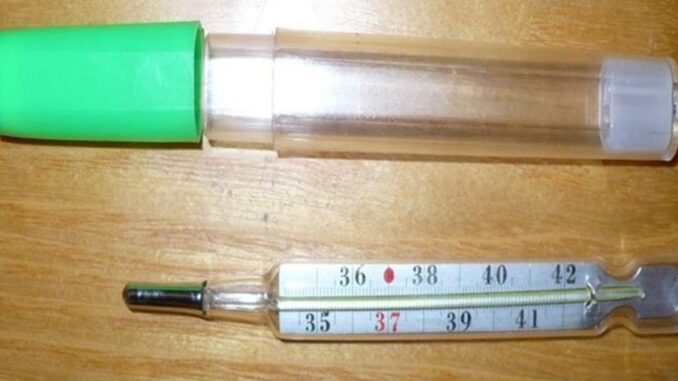
For this test you will need only a mercury thermometer, which is necessary for measuring body temperature with high accuracy. If you do not have a mercury thermometer, you can use another type, but the mercury thermometer is considered the most accurate.
Procedure for performing the test:
- Preparing the thermometer: Before going to bed it is necessary to thoroughly shake down the thermometer so that the mercury level falls below 35°C. This step is important to ensure accurate measurements.
- Morning after waking: As soon as you wake up in the morning, take the thermometer and place it under your arm. Remember that it is important to keep the thermometer in place for 10 minutes.
- Measuring: After 10 minutes remove the thermometer and look at the measured value. Normal body temperature should be between 36.5°C and 36.8°C.
What do the measurement results mean?
If your measured temperature is lower than 36.5°C, it may indicate that you have thyroid problems. Underactive thyroid often manifests with symptoms such as:
- Depression
- Fatigue
- Weakness
- Frequent infections
- Chronic headaches
- Memory loss
- Hair loss
If your temperature is higher than 36.8°C, it may mean that the thyroid is overactive, or you have an infection that is causing an increase in body temperature. If you believe you are not ill yet still have a higher temperature, it is advisable to repeat the test for several consecutive days.
Recommendations for parents and individuals
If your temperature consistently falls outside the normal range, for example after several days, we recommend visiting your doctor and consulting the test results. Early detection of thyroid problems can significantly improve your health and quality of life.
Conclusion
Barnes’ test is a great tool for daily monitoring of thyroid function. It is quick, simple, and does not require any complicated equipment. Early detection of thyroid problems can prevent more serious health issues and allow you to start treatment in time. However, remember that if you have any concerns about your health, it is always a good idea to consult your doctor.