Article content
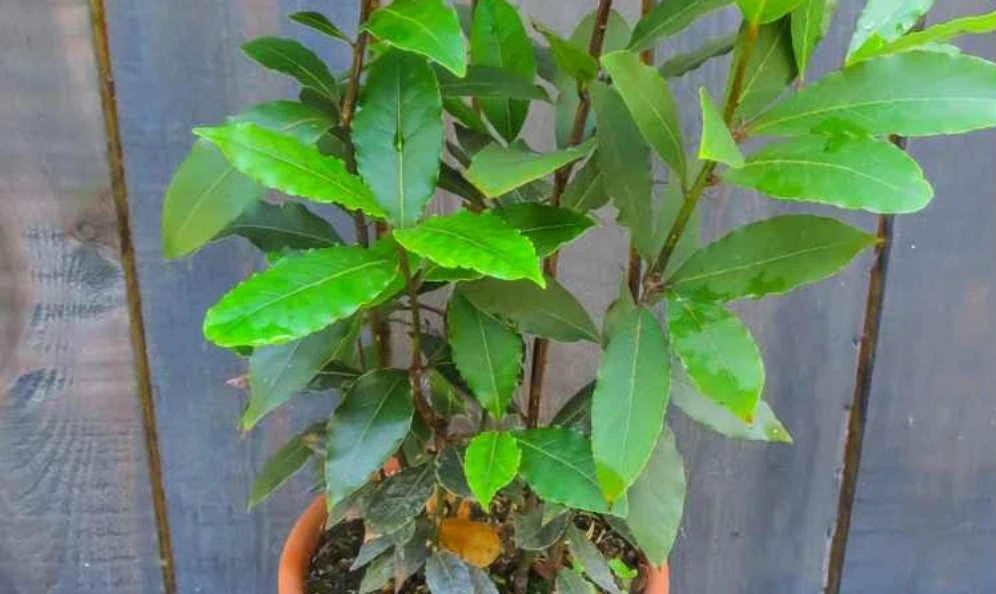
Bay laurel (Laurus nobilis), also known as the bay leaf, is not only a popular spice in the kitchen but also an elegant houseplant with medicinal and aesthetic properties. If you want to have fresh bay leaves always at hand and at the same time decorate your interior with an undemanding yet striking plant, bay laurel is an ideal choice. In this article you will learn how to properly grow bay laurel at home, what conditions suit it, how to propagate it, and how to care for it long-term.
Why grow bay laurel at home?
Bay leaves give dishes a pronounced aroma and flavor and, when properly dried, retain their potency for a long time. Growing at home not only ensures a constant supply of fresh leaves but also control over quality without chemical sprays. Moreover, bay laurel in a pot looks very decorative and can easily be shaped into a small shrub or tree.
How to grow bay laurel from seeds
The most reliable method is growing bay laurel from seeds. Although this is a slower method, it yields strong and resilient plants.
Procedure for sowing:
- Buy fresh bay laurel seeds and soak them for several days in warm water or a growth stimulator.
- Prepare a plastic cup with moist, sterilized sand.
- Sow the seeds about 1 cm deep into the soil, cover with plastic film and place in a bright spot.
- Maintain moisture but prevent waterlogging.
- After germination (about 4–6 weeks) remove the film.
- Once the seedling has produced 3–4 leaves, transplant it into a pot.
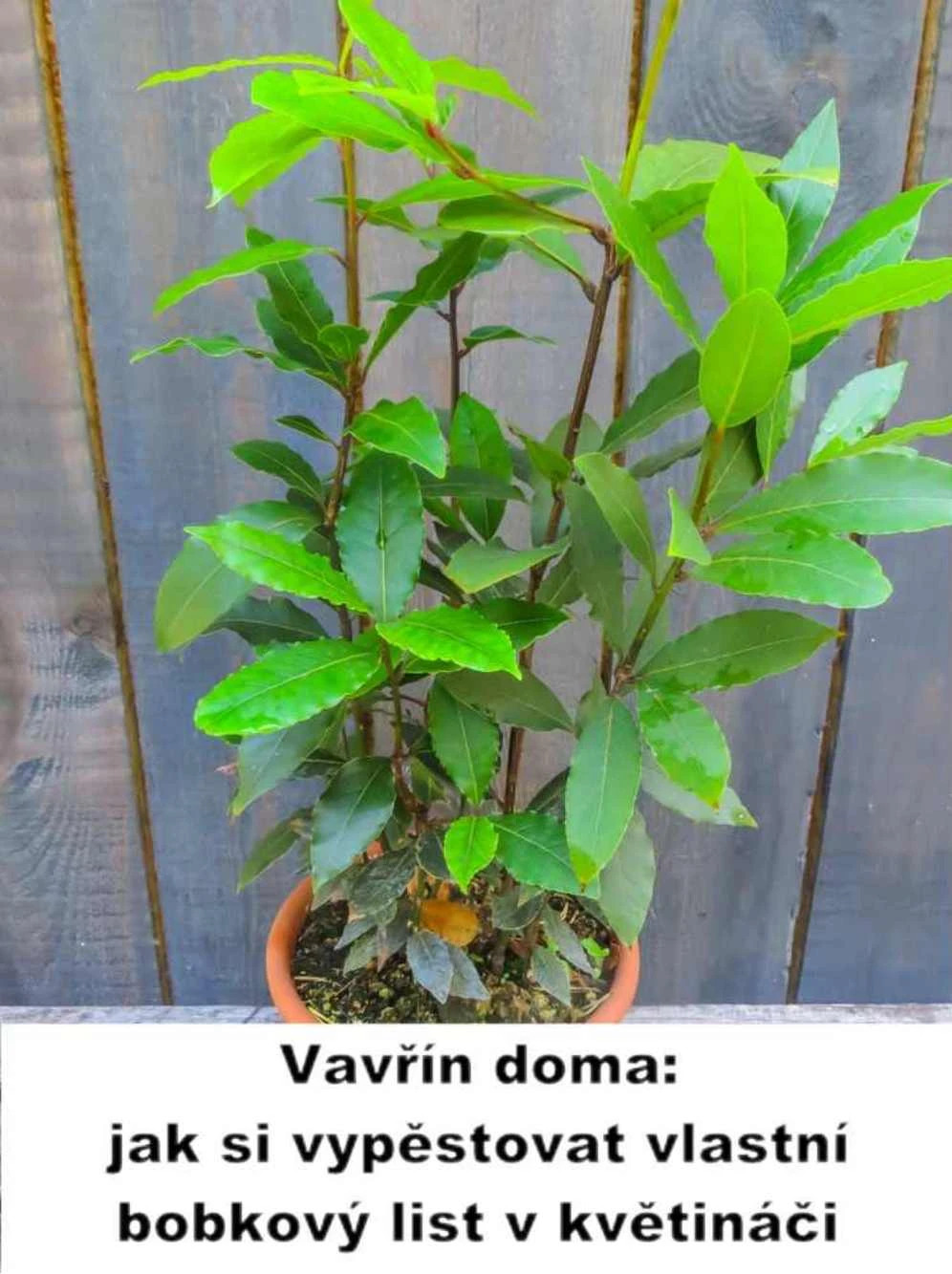
Ideal conditions for growing bay laurel at home
- Pot: ceramic or clay with drainage holes. The larger the container, the larger the plant.
- Soil: universal potting mix mixed with sand, supplemented with organic fertilizer.
- Placement: partial shade or diffused light, avoid direct sunlight.
- Temperature: in summer 15–20 °C, in winter 10–12 °C.
- Humidity: regular misting, showering, or a container with water nearby.
- Watering: in summer twice a week, in winter once every 5–7 days, always with lukewarm water.
Fertilizing and repotting
- Fertilize once a month with organic or mineral fertilizers suitable for herbs.
- Two years after sowing transplant the plant into a larger container, then every 5 years thereafter.
- In warmer months you can move the bay laurel outside to a balcony or garden.
Uses of the bay leaf
- Use fresh or dried leaves in soups, sauces, marinades, or for meat.
- Bay leaves have disinfectant and medicinal properties – used in home remedies and aromatherapy.
- Store dried leaves in a dry, dark place, preferably in a glass container.
Conclusion: Having your own bay leaf is worth it
Growing bay laurel at home is not only practical but also beautiful. This aromatic herb will give dishes an authentic flavor and at the same time decorate your home. With proper care it will reward you with lush growth and healthy, strongly scented leaves. And once you’ve tasted your own bay leaf, you’ll never want the store-bought one again.