Article content
Autumn brings not only colorful leaves but also chestnuts – a treasure of nature that has far more uses than just decoration. From chestnut fruits a medicinal tincture can be prepared, which helps with a whole range of health problems – from varicose veins to joint pain and digestion.
Why prepare a chestnut tincture
Chestnuts are rich in valuable substances that have a beneficial effect on blood vessels, the nervous system and digestion. Already in antiquity and the Middle Ages, chestnuts were used as a strengthening remedy for fatigue, pain and swellings. The German healer Saint Hildegard recommended consuming chestnuts for pancreatic disease and digestive disorders.
Composition and effects of chestnuts
Chestnuts contain a rich spectrum of vitamins – A, B, C, niacin, riboflavin and folic acid – and also minerals such as calcium, magnesium, iron, potassium, phosphorus and zinc. They are also a source of unsaturated fatty acids and fiber, which supports healthy digestion.
Thanks to their composition, chestnuts have anti-inflammatory effects, strengthen blood vessels, improve blood circulation and help reduce swelling.
Chestnut tincture and its effects on health
- Relieves headaches and supports memory and concentration.
- Strengthens the nervous system and helps with stress or fatigue.
- Improves blood circulation and helps with varicose veins and spider veins.
- Supports digestion and detoxification of the body.
- Acts against joint pain, muscle pain and rheumatic problems.
Regular but moderate use of the tincture helps improve blood flow, eliminate inflammation and give the body energy.
Recipe for homemade chestnut tincture
You will need:
- fresh chestnuts (preferably horse chestnut),
- alcohol of at least 40% strength,
- a jar with a lid,
- a dark bottle for storage.
Preparation method:
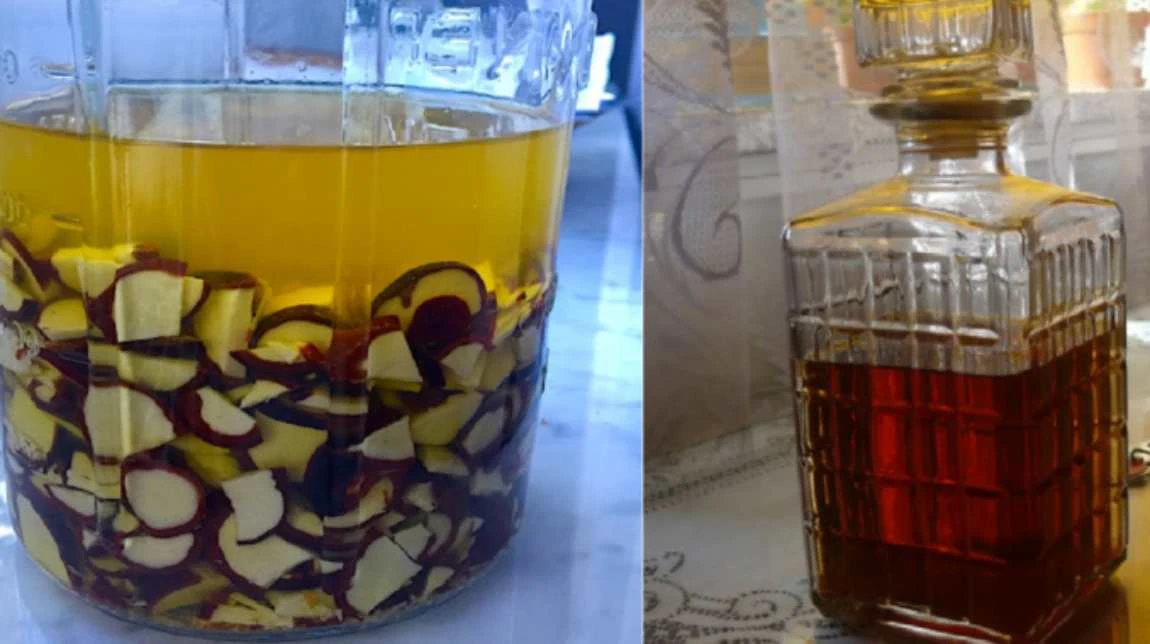
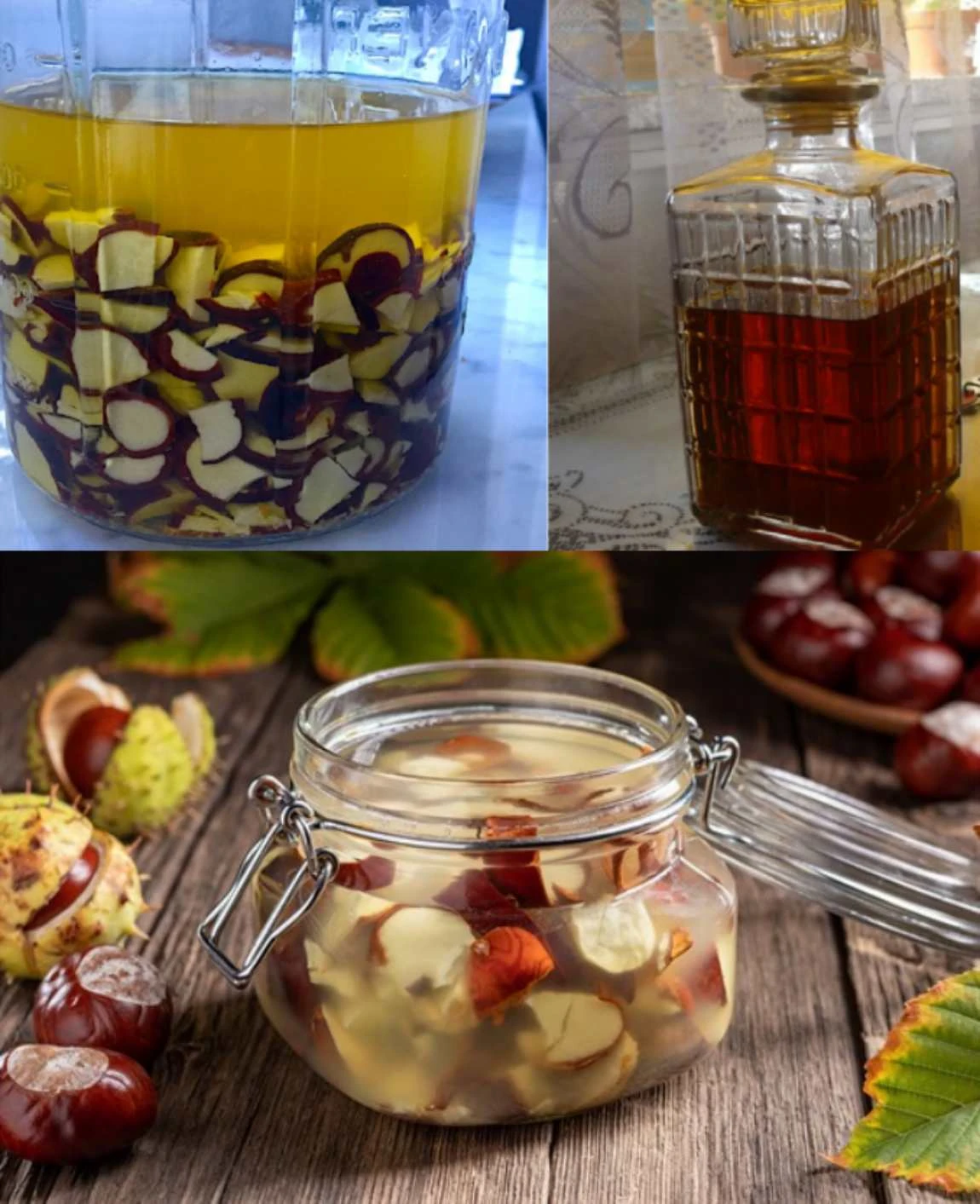
- Wash the chestnuts well and cut them into quarters (the shell does not need to be removed).
- Place them into a sealable jar and pour alcohol over them so they are completely submerged.
- Let infuse for 4–6 weeks in a dark place, shaking every two days.
- After infusion, strain the tincture and pour into dark glass bottles.
How to use the tincture
Internal use:
- 10–30 drops 2–3× daily, preferably diluted in water.
- It helps with varicose veins, hemorrhoids, digestion and vein inflammation.
- For hemorrhoids, 10 drops diluted in tea or water once daily are recommended.
External use:
- Apply directly to the affected areas – varicose veins, joints, swellings, eczema or rashes.
- It also helps with carpal tunnel syndrome and rheumatic pains.
Warning: A single dose should never exceed 50 drops. The tincture contains alcohol and is not suitable for children.
Additional useful information
- People allergic to latex should be cautious – chestnuts can trigger an allergic reaction.
- Do not use the tincture on open wounds or acute skin inflammations.
- Store the tincture in a cool, dark place, ideally in the fridge.
Summary
Chestnut tincture is a natural remedy that provides relief for varicose veins, joint pain, rheumatism and digestive problems. It strengthens blood vessels, has anti-inflammatory effects and improves blood circulation. This simple homemade recipe should not be missing from your natural medicine cabinet – especially in autumn, when chestnuts ripen.