Article content
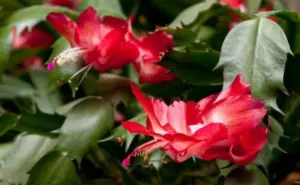
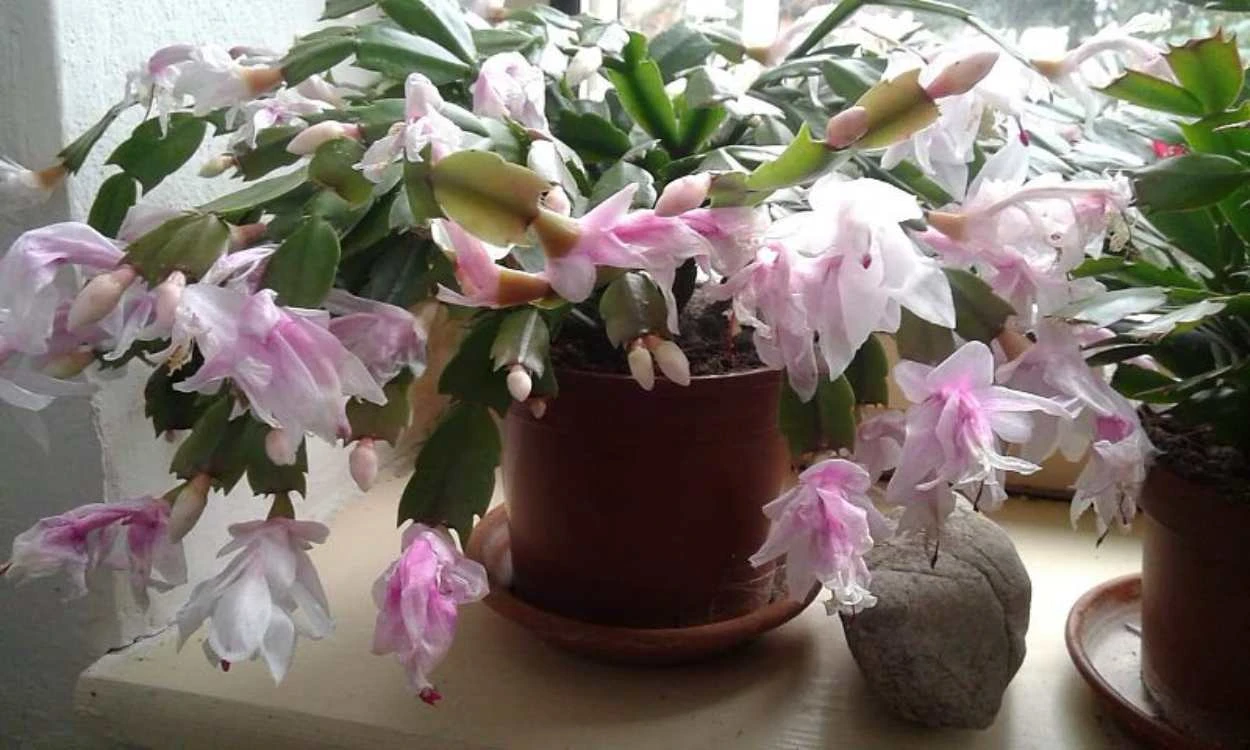
The Christmas cactus, also known as Schlumbergera, is among the most popular houseplants of the winter season. Its beautiful flowers in shades of pink, red, white, or purple brighten the home just at the time when most plants are resting. However, many people can keep it beautifully flowering only the first year after purchase – afterwards it stops blooming, the leaves lose their color, and the plant looks tired. The reason is simple: the Christmas cactus has different requirements than common cacti.
If you want this plant to bring you joy every year, you need to understand its natural environment and adapt your care to it. The Christmas cactus comes from the rainforests of South America, where it grows high in the tree canopies – there it has humidity, diffused light, and a regular rhythm of alternating periods of growth and dormancy.
1. Light and placement
The Christmas cactus needs plenty of light, but does not tolerate direct sunlight. An ideal spot is a north- or east-facing window, where it has plenty of diffused daylight. If you place it on a south or west windowsill, shade it with a light curtain. Lack of light causes the cactus not to bloom, while too much light can lead to leaf burns.
2. Proper watering
Unlike other types of cacti, the Christmas cactus needs regular watering. The soil should remain slightly moist, but never waterlogged. Water as soon as the top layer of the substrate has slightly dried. In winter, when the plant is flowering, give it higher air humidity – for example by placing a bowl of water next to the pot or occasionally misting. When watering, avoid letting water stand in the saucer under the pot, because this could lead to root rot.
3. Fertilizing and nutrition
During spring and summer, when the plant is actively growing, you can fertilize every two weeks with a liquid fertilizer higher in potassium and phosphorus, which supports bud formation and abundant flowering. Once the Christmas cactus starts to set buds (around October), reduce or stop fertilizing entirely so the plant can focus on the flowers.
4. Suitable substrate and pot
The Christmas cactus prefers light and well-draining soil. A mix of peat, sand, and leaf mold is suitable, or a special substrate for succulents. It is important that the pot has drainage holes to prevent overwatering. The plant prefers rather smaller pots – in one that is too large it concentrates on root growth instead of flowers. Every 2–3 years you can repot it in spring into fresh substrate, which will give it new strength.
5. Dormant period – the key to abundant flowering
The most common mistake growers make is that the Christmas cactus never “rests.” To flower abundantly, it needs a dormant period during autumn. From October to mid-November reduce watering, lower the temperature to 12–15 °C and place the plant in a location with shorter daylight. This step is essential for bud formation. Once the buds appear, move the plant to a brighter and warmer spot, where it will gradually open.
6. Care during flowering
Once the Christmas cactus starts to flower, it is important not to move it or rotate the pot. The plant is sensitive to changes in light and may drop all its buds. Water regularly, but moderately. The flowers will last longer if you place the cactus in a cooler room (around 18 °C). After flowering, reduce watering and give it a short resting period.
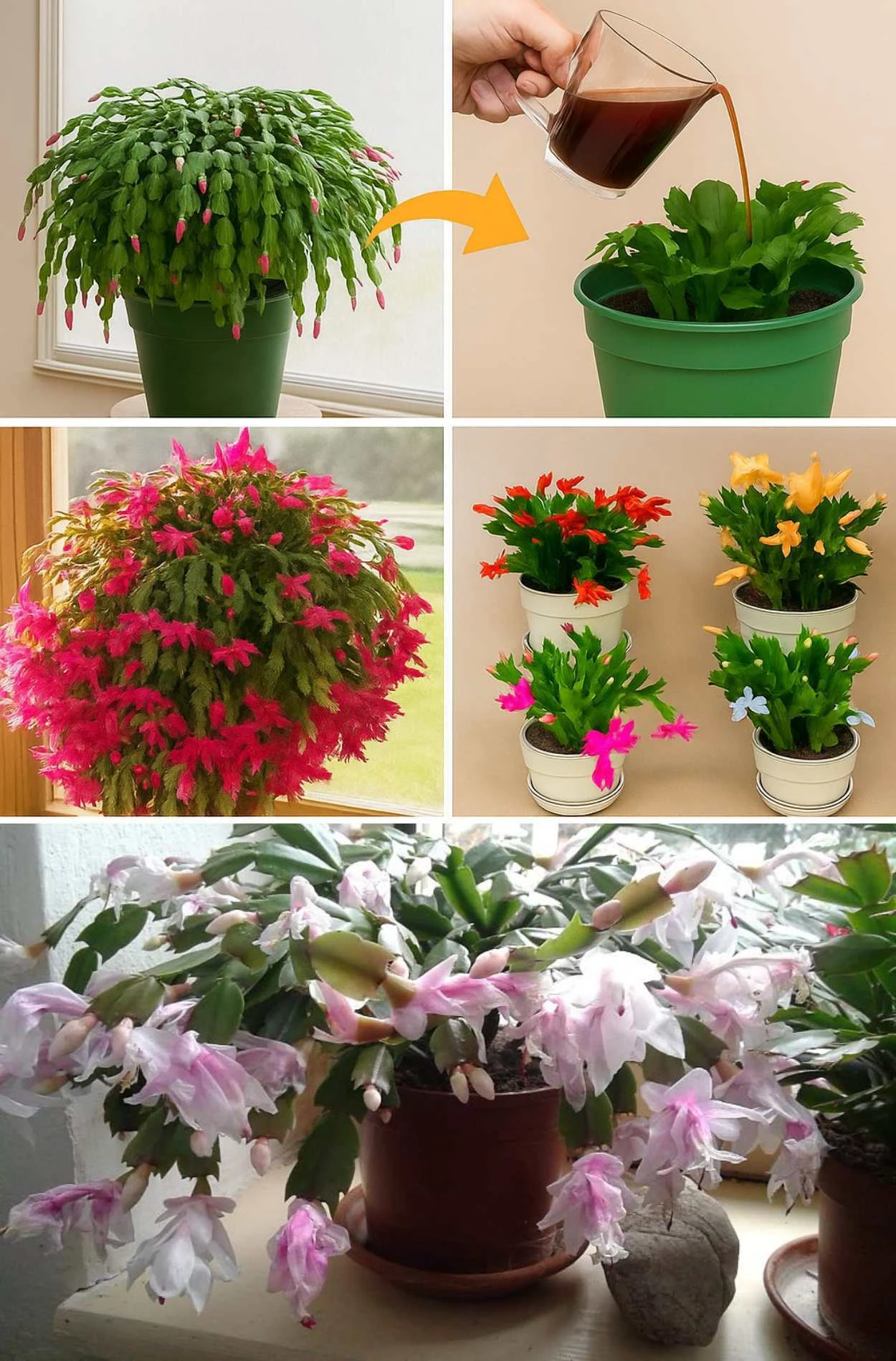
Bonus tip: propagating the Christmas cactus
If your plant is thriving, you can easily propagate it. After flowering break off 2–3 stem segments, let them dry for a day, and then plant them in a mixture of sand and peat. Within a few weeks they will take root and you will have a new plant that you can give away.
Conclusion
The Christmas cactus is a beautiful and rewarding plant that, with proper care, can bring you joy for many years. Just provide it with diffused light, regular but gentle watering, the right substrate, and an annual dormant period. If you give it what it needs, it will reward you with magnificent flowers right in winter, when you need them most.