Article content
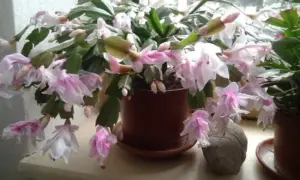
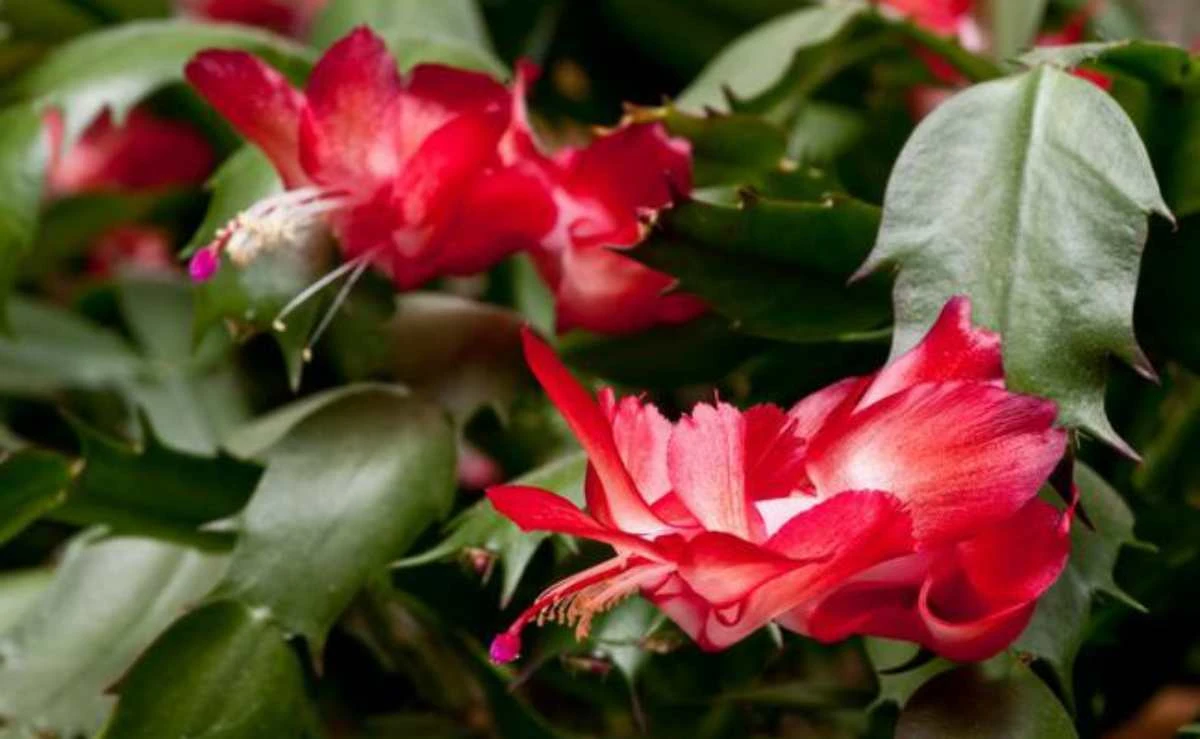
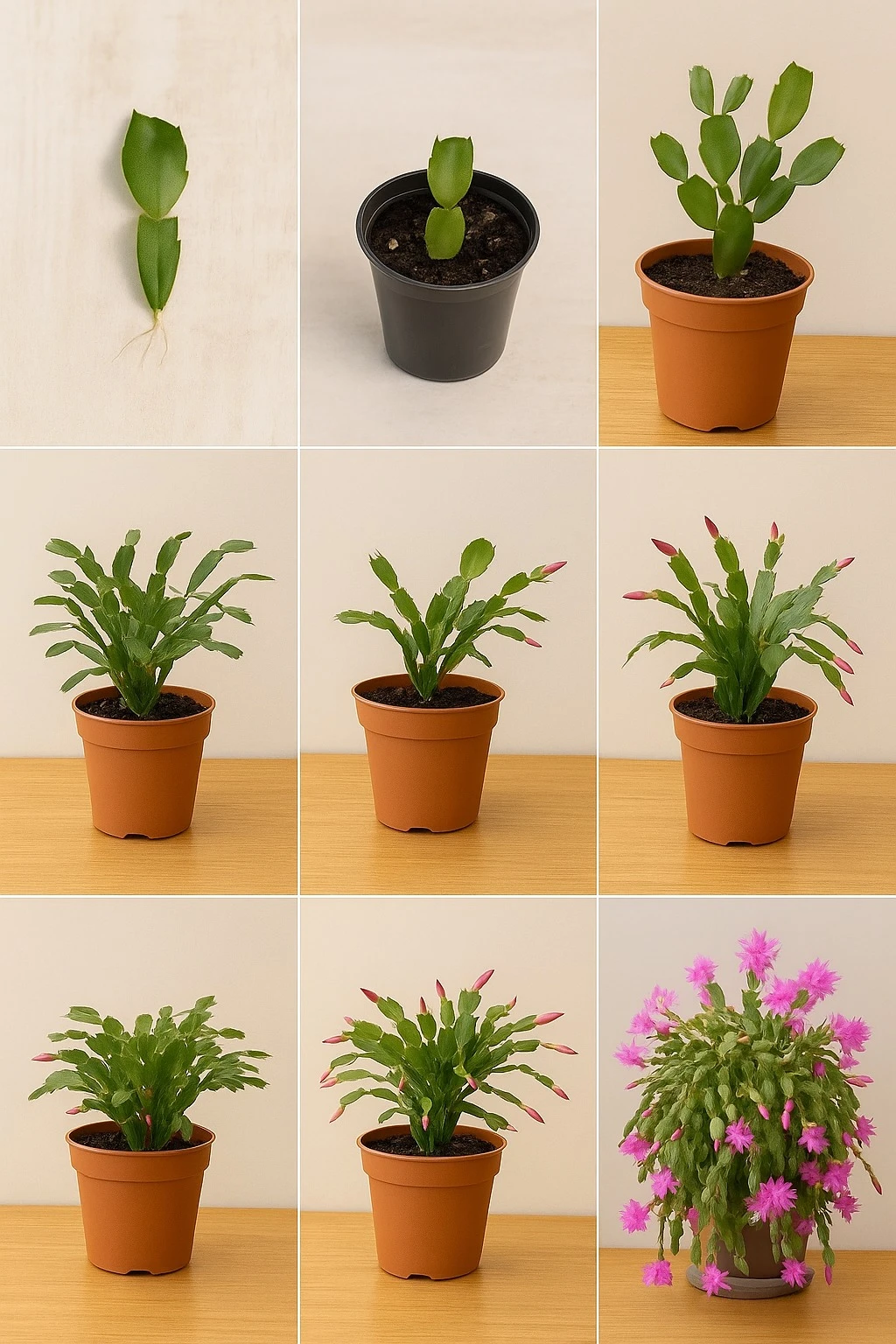
The Christmas cactus, also known as Schlumbergera, is one of the most popular houseplants of the winter season. Its beautiful flowers can brighten the home exactly at the moment when it is cold and dim outside. This plant is a symbol of winter coziness, yet many growers encounter a problem – the cactus may grow but does not bloom. The reason is usually inappropriate care or a lack of certain conditions that support flowering.
Proper care of the Christmas cactus differs from classic cacti. This species comes from the tropical regions of Brazil, where it grows as an epiphyte – that is, a plant living on trees, which needs moisture, shade and a regular rhythm between periods of growth and rest. If you can create a similar environment at home, it will reward you with abundant blooms.
1. Lack of light
The Christmas cactus needs enough diffused light to have the strength to form buds. If it stands long-term in partial shade, it does not have enough energy and the flowers simply will not form. It does best on an east or west-facing window, where it receives gentle, indirect light. On the other hand, a north-facing window is too dark and southern sun can burn its leaves. During the bud formation period (October–November) give it 8–10 hours of daylight, and leave it in dimness for the rest of the day. The alternation of light and dark precisely stimulates flower formation.
2. Incorrect temperature
Many people think that the Christmas cactus needs constant warmth, but the opposite is true. For abundant flowering it must go through a period of lower temperatures, ideally between 12–15 °C. This cooler regime helps the plant form buds and prepare for winter blooming. Once the buds appear, move the plant to a warmer room with a temperature around 18–20 °C. Avoid sudden temperature changes, as this can cause bud drop.
3. Watering too frequently
The Christmas cactus is not a classic desert species, but it does not tolerate waterlogging. Its roots are delicate and easily rot if water stands in the pot. Water it only when the top layer of soil is slightly dry. For watering use lukewarm, settled water – preferably rainwater. During the dormant period reduce watering to a minimum. Overwatering can weaken the plant so much that it stops flowering and begins to wither.
4. Insufficient rest
To bloom abundantly, the Christmas cactus needs every year 6–8 weeks of rest. From September or October move it to a cooler room with a temperature around 12–15 °C, reduce watering and stop fertilizing entirely. This period is important for the plant – it is then that the foundations of new buds are formed. Once the buds begin to grow, move the plant back to a brighter spot and start watering it lightly again.
5. Lack of nutrients
Flower formation is energy-intensive for the plant, and if it lacks nutrients, buds simply will not form. During active growth (from spring to summer) regularly fertilize every two weeks with a fertilizer higher in phosphorus and potassium, which support flowering. Avoid fertilizers with high nitrogen content – they promote leaf growth but hinder flowering. Stop fertilizing in the autumn so the plant can enter its dormant phase.
6. Homemade yeast fertilizer
If you want to naturally support flowering, you can try a homemade yeast fertilizer, which supplies the plant with B vitamins, minerals and enzymes. This natural remedy supports both growth and bud formation.
How to prepare it: - Dissolve 10 g of fresh yeast in 1 liter of lukewarm water.
- Let it stand for several hours.
- Then water the substrate with the solution (not the leaves!).
- Use once a month during the growing period (spring–summer).
This simple homemade recipe can improve the plant’s vitality and ensure that every winter season it will literally be covered in flowers.
Conclusion
The Christmas cactus is not demanding, but it needs its natural rhythm to be respected – periods of rest, growth and flowering. If you give it enough light, moderate watering, a suitable temperature and occasionally support it with yeast, it will reward you with a profusion of flowers at the time you need it most – at Christmas.