Article content
Clove oil is among the most valuable natural oils thanks to its antibacterial, anti-inflammatory and disinfectant effects. It is used in folk medicine as well as in modern aromatherapy – it helps with minor pains, inflammations of the oral cavity, acne or digestive problems. In addition, you can easily make it at home.
What clove oil is and how it is obtained
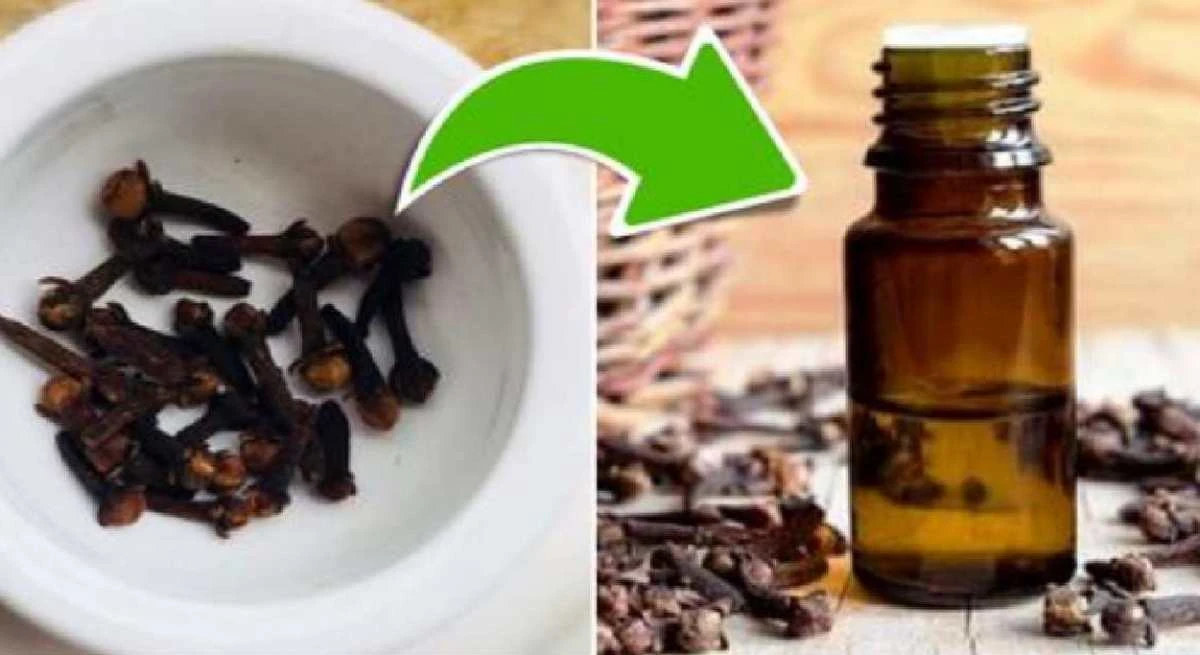
Clove oil is produced from dried clove buds (Syzygium aromaticum), known primarily as an aromatic spice. The essential oil is obtained by distillation or maceration and has a characteristic spicy scent and golden-brown color. The main active compound is eugenol, which has anesthetic and anti-inflammatory properties.
How to make homemade clove oil
You will need:
- 10 g whole cloves
- 100 ml of a quality vegetable oil (e.g., olive, sunflower or almond)
- a small jar with a lid
Preparation:
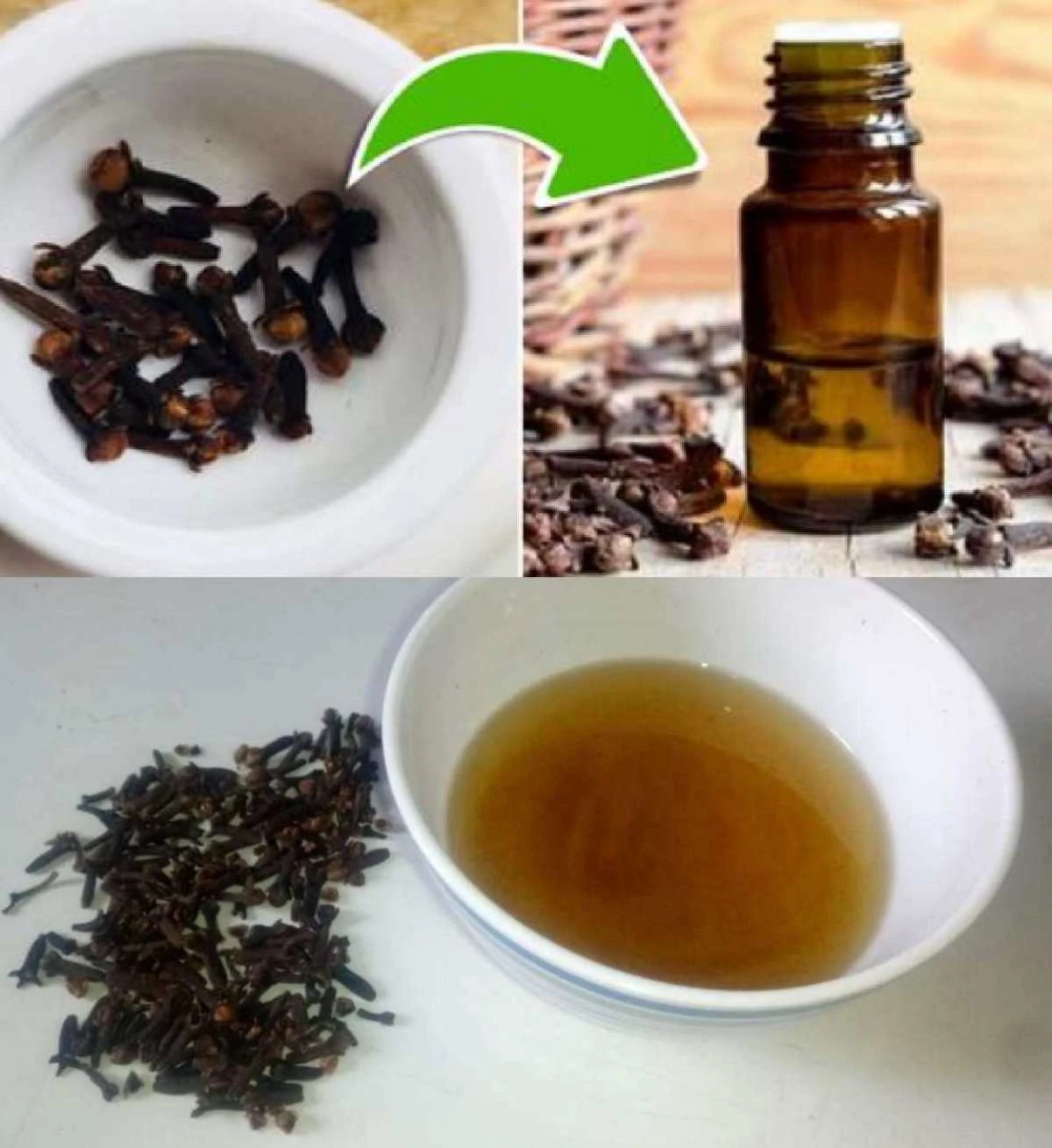
- Place the cloves in a clean jar and cover with oil.
- Close the jar well and let it stand for 14 days in a warm, sunny place.
- Shake the jar gently every day so the active substances are better released.
- After two weeks, strain the oil through a cloth or fine sieve and store it in a dark bottle at room temperature.
The oil prepared this way has a pleasant scent, long shelf life and wide uses. When applying to the skin we recommend diluting it with a carrier oil (e.g., coconut or almond).
7 proven uses of clove oil
1. For acne and problematic skin
Thanks to its antibacterial and anti-inflammatory effects clove oil helps to cleanse the skin and reduce symptoms of acne. Add 1–2 drops to a cream or to a carrier oil and apply locally. Avoid contact with the eyes and open wounds.
2. For gum and tooth problems
Clove oil is traditionally used to relieve tooth and gum pain. Its main component eugenol has a mild anesthetic effect. Moisten a cotton swab with one drop of diluted oil and briefly apply to the painful spot. However, it does not replace treatment by a dentist.
3. To support digestion
In aromatherapy clove oil is used to support digestion and reduce flatulence. You can inhale it or apply it to the abdomen after diluting with a carrier oil in the form of a gentle massage.
4. For colds and respiratory problems
Inhaling a few drops of clove oil in hot water steam loosens the airways and helps alleviate cold symptoms. The scent of clove also promotes a feeling of relaxation and calm.
5. As a natural disinfectant
Clove oil has antimicrobial effects, and therefore it is often used to disinfect small wounds or to clean surfaces. Always dilute it, however, and do not use on open wounds.
6. Against insects
The scent of clove repels mosquitoes, flies and moths. Add a few drops of oil to an aroma lamp or diffuser, or mix it with water in a spray bottle and use it as a natural repellent.
7. For better blood circulation
When massaged with diluted clove oil, the blood flow to the skin and muscles improves. It is used to relieve tension and muscle stiffness, but always apply it carefully – in larger amounts it can irritate the skin.
Safe use and contraindications
Clove oil is very concentrated, so never use it undiluted. In sensitive individuals it can cause skin irritation. Pregnant women, breastfeeding mothers and children should consult a doctor or aromatherapist before use. Internal use is not recommended without professional supervision.
Conclusion
Clove oil is a valuable natural remedy that has wide applications in home care. It helps with pain, colds, skin problems and repelling insects. Just use it sensibly and with respect for its strength. Try making it at home and give your home medicine cabinet a bit of the natural power of clove.