Article content
Common heather (Calluna vulgaris) is among the traditional herbs of European medicine and for centuries has been used as a gentle remedy to support the kidneys, urinary tract, joints and overall vitality. It is not a cure-all and certainly not a miraculous plant that “dissolves stones,” as is often claimed in folk medicine. Yet it is a valuable herb that rightly deserves a place in the home natural first-aid kit.
In this article we will look at the real, verified effects of heather and offer safe recipes that can be used long-term as complementary health support.
What is common heather and why do people value it so much?
Common heather is a small, low-growing plant with purple flowers that grows on heaths, clearings, in forests and on mountain meadows. It is known for its ability to survive even in poor soil, which reflects its hardiness — and these traits are reflected in its use in natural medicine.
Heather flowers contain, among other things:
- flavonoids (antioxidants that support immunity),
- arbutin (associated with support for the urinary tract),
- tannins,
- essential oils,
- bitter substances.
These components act together and can gently support the function of the urinary tract, the digestive system and overall body cleansing.
Verified effects of heather according to traditional and modern phytotherapy
The effects below are based on traditional use and available professional literature on medicinal plants. They are not a substitute for medical treatment, but a complementary natural support.
1. Support for the urinary tract and kidneys
Heather has mildly diuretic effects and is traditionally used for:
- a feeling of “heavy” kidneys,
- mild burning during urination,
- a need to naturally increase urine flow,
- supporting proper urinary tract function.
Arbutin and tannins help keep the urinary tract in good condition. However, heather is not a remedy for an acute urinary tract infection — it is used as support, not as the sole treatment.
2. Help with water retention in the body
Thanks to its gentle diuretic effect, heather can contribute to the reduction of:
- swelling of the legs,
- a feeling of “water retention”,
- body tension caused by fluid retention.
It is particularly suitable as part of herbal blends to support the removal of excess fluid from the body.
3. Calming the nervous system
An infusion of heather flowers has mildly calming effects and may support:
- easier falling asleep,
- calming during periods of stress,
- overall mental balance.
It is often combined with other calming herbs, for example lemon balm or hops.
4. Support for digestion and body cleansing
The bitters contained in heather can support:
- proper digestive function,
- liver function,
- the body’s natural detoxification processes.
Heather therefore often appears in cleansing and detoxifying herbal blends that help the body better cope with the stresses of modern lifestyle.
Myths about heather that should be corrected
Some traditional sources claim that heather:
- dissolves kidney or gallstones,
- lowers cholesterol,
- treats diabetes,
- acts directly on eye diseases.
There is no reliable scientific evidence for these claims. It is important to build readers’ trust — and that is based on truthful and sober information, not exaggerated promises.
Heather is a great and useful herb, but it has its limits and should always be regarded as a supplement, not a replacement for medical care.
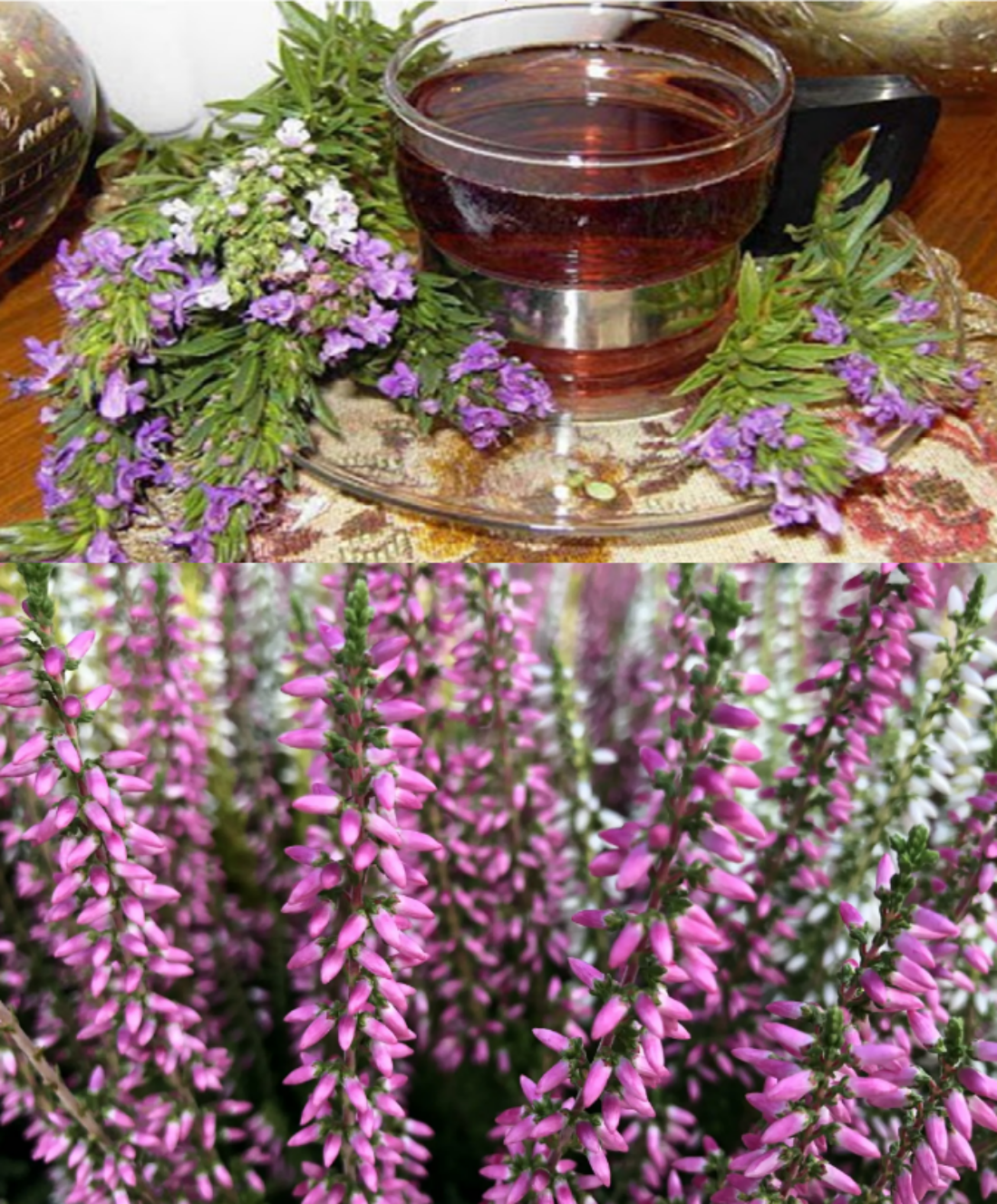
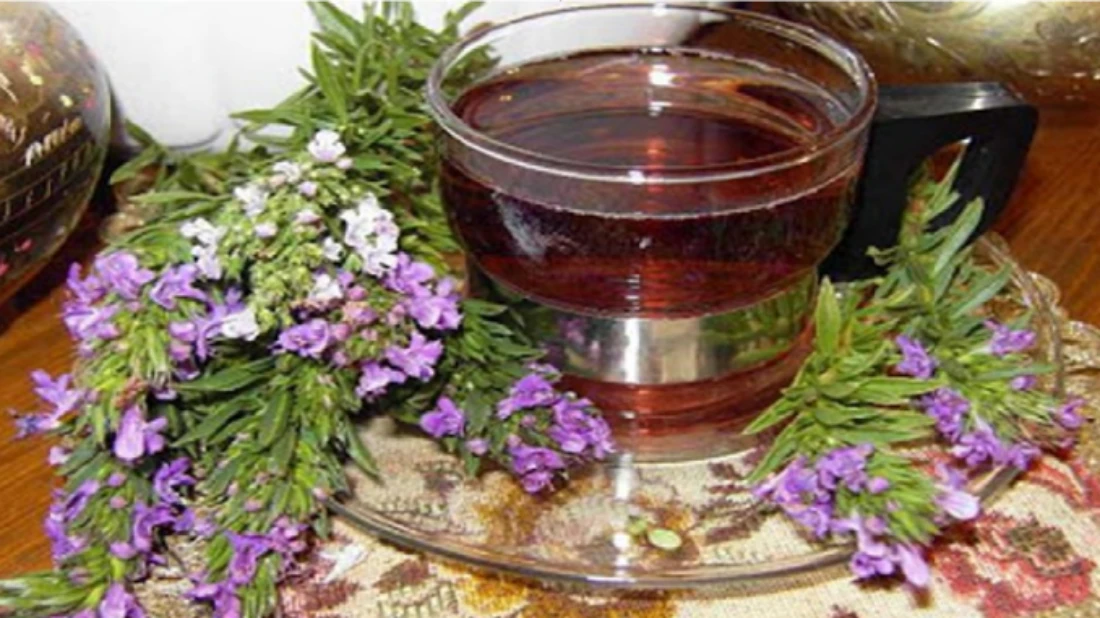
How to prepare heather tea (a safe and verified variant)
Ingredients:
- 1 teaspoon of dried heather flowers,
- 250 ml hot water.
Procedure:
- Put the heather flowers into a cup or teapot.
- Pour boiling water over them.
- Let steep covered for 10–15 minutes.
- Strain and drink warm.
Dosage:
- 1–2 cups daily for 2–3 weeks,
- after which it is advisable to take a break.
Possible combinations:
- for the urinary tract: heather + bearberry + horsetail,
- for calming: heather + lemon balm,
- for detoxification: heather + nettle + birch.
When mixing herbal blends it is always good to stick to the recommended dosages and not to overdo the length of the cure.
Who should be cautious?
Common heather is not suitable or increased caution is recommended for these groups:
- pregnant and breastfeeding women,
- people with acute kidney disease,
- people with severe allergies to pollen or other herbs,
- people who take strong diuretics (water pills) — the effect may be amplified.
For long-term health problems it is always necessary to consult a doctor. Herbs have a supplementary role, not a substitutive one.
Summary: Why heather has a place in the home herb cabinet
Common heather is a safe, gentle and versatile herb that can naturally support:
- healthy urinary tract,
- kidney function and body drainage,
- calming of the nervous system,
- digestion and cleansing processes in the body.
It does not have dramatic “miraculous” effects, but with proper and regular use it can be a truly useful helper. That is precisely why it was beloved by our ancestors and rightly belongs among the stalwarts of traditional herbal medicine.