Article content
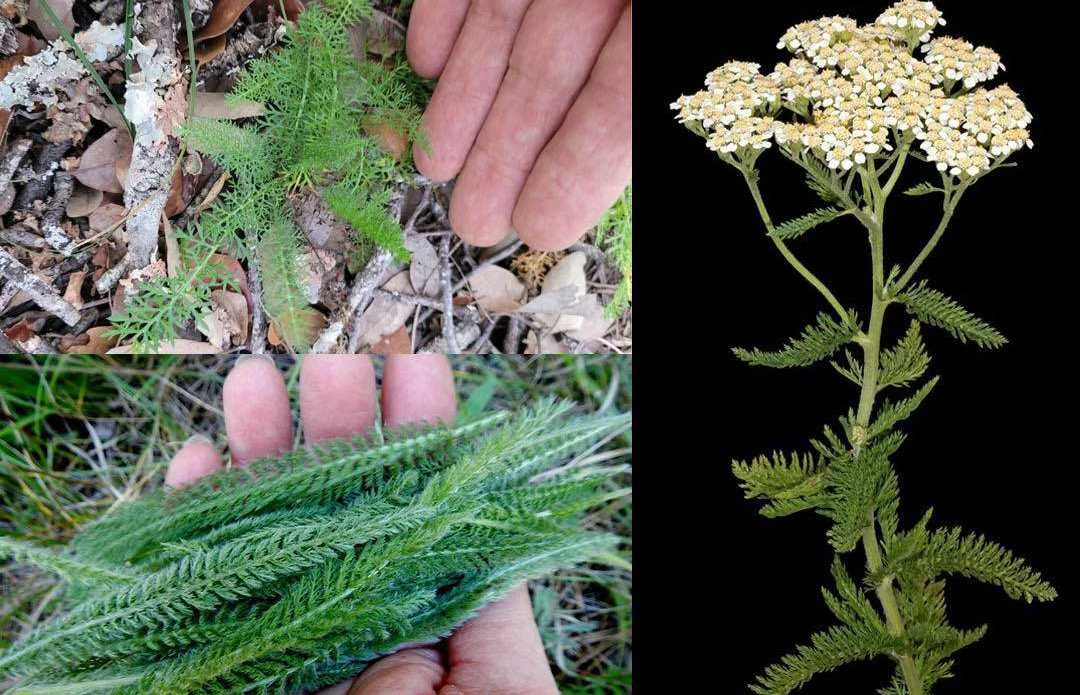
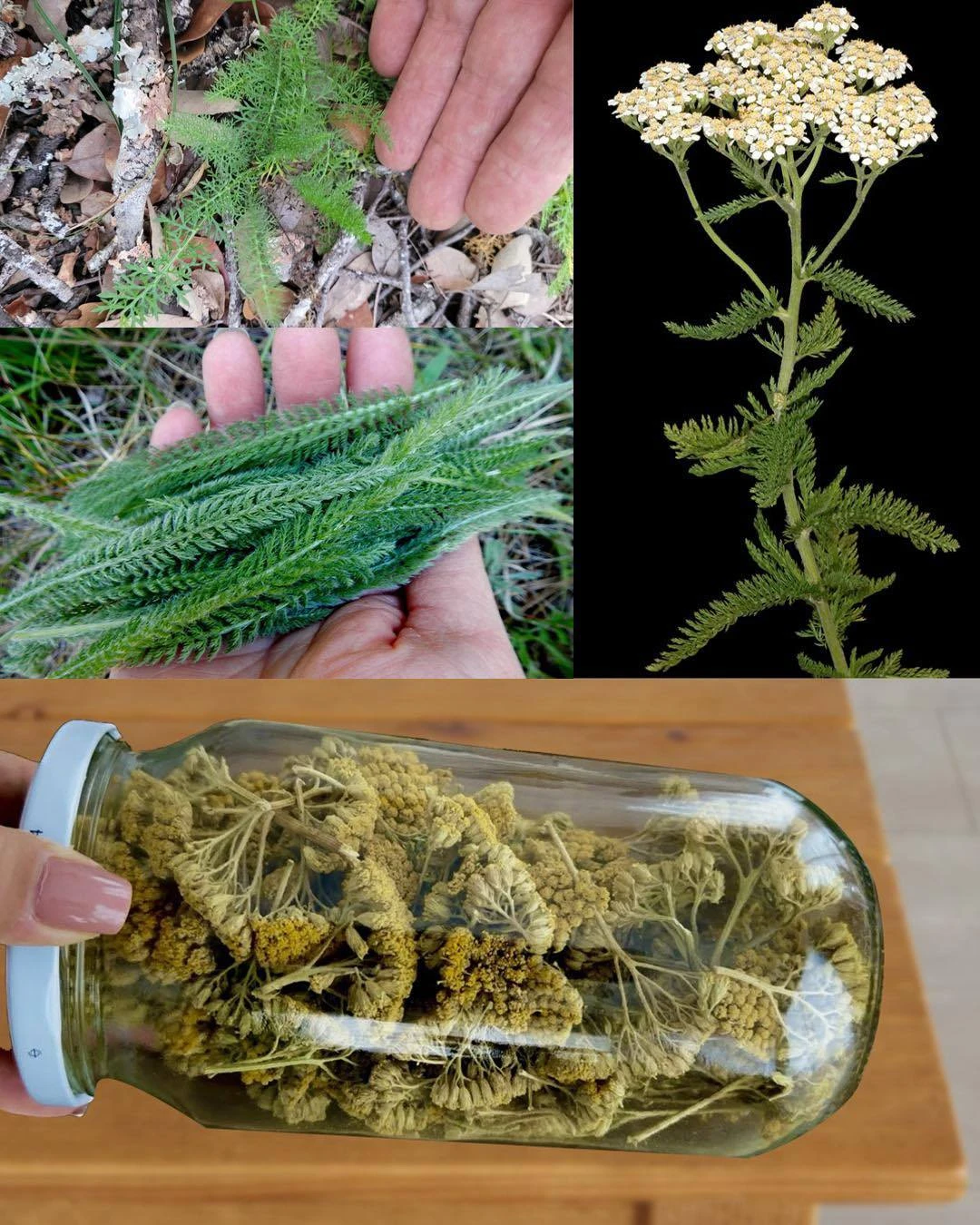
Common yarrow (Achillea millefolium) is at first glance an unassuming meadow plant that grows almost everywhere – in meadows, field margins, by roads and in gardens. Under the white or pinkish flowers and finely divided leaves, however, hides an herb with a long medicinal tradition. It was used by the ancient Greeks and Romans, herbalists in the Middle Ages and our grandmothers. And why? Yarrow has a wide range of effects that can support health in a natural and gentle way.
This article summarizes the verified effects of yarrow, safe ways to use it and traditional uses that have stood the test of time. The text is written to be useful for the reader while also corresponding to modern knowledge about herbs.
What does yarrow contain and why is it so effective?
Yarrow is rich in bioactive compounds, which make it one of the most valuable European medicinal plants:
- flavonoids – strong natural antioxidants that protect cells from damage,
- tannins – soothe mucous membranes and support healing,
- essential oils (for example chamazulene) – act anti-inflammatory and mildly antiseptic,
- bitter principles – support the production of digestive juices and better digestion,
- vitamin C and minerals – in smaller amounts strengthen immunity and overall vitality.
The combination of these substances makes yarrow a versatile herb that works for both external and internal complaints.
Proven effects of yarrow on health
1. Support for digestion and gallbladder function
Yarrow is one of the most commonly recommended herbs for digestive problems. It helps especially with:
- bloating,
- a feeling of heaviness after eating,
- mild irritation of the digestive tract,
- insufficient bile production.
The bitter compounds stimulate appetite and improve natural digestion, while the essential oils help calm an irritated stomach and intestines.
2. Anti-inflammatory and healing effects
Yarrow has a long tradition of use for minor injuries and skin problems. Traditionally it is used:
- to help stop minor bleeding,
- to speed up the healing of abrasions and scratches,
- as a mildly antiseptic and soothing herb for the skin.
In the past, fresh leaves were applied directly to the wound; today a decoction or yarrow ointment is more commonly used.
3. Support for immunity and defenses
Thanks to its antioxidants and essential oils, yarrow can contribute to strengthening the body’s natural resistance. It is often part of mixtures for colds and flu, where it:
- promotes sweating and thus natural detoxification during fever,
- helps loosen phlegm and calm the body,
- is often combined with linden blossom or black elder.
4. Relief for women’s complaints
Yarrow is known as a “women’s herb.” Traditionally it is used for:
- irregular menstruation,
- painful menstruation and cramps in the lower abdomen,
- tension before menstruation.
It is not a substitute for medical care, but as a supplement it can relieve many women from unpleasant menstrual symptoms.
5. Support for the nervous system and calming
The herb has mild relaxing effects and is often used for:
- stress and inner tension,
- irritability,
- the need for overall calming after a demanding day.
A cup of yarrow tea in the evening can help with better relaxation and more pleasant falling asleep.
How to use yarrow safely
1. Yarrow tea
Tea is the most common form of using yarrow. It is suitable for supporting digestion, immunity and mild calming.
Preparation:
- 1 teaspoon of dried flowers or herb,
- 250 ml of hot water,
- steep for 10 minutes, then strain.
It is recommended to drink 1–2× daily for a maximum of 2–3 weeks, then take a break.
2. Compresses and washing
A decoction of yarrow can be used externally:
- on minor abrasions and scratches,
- on mildly irritated skin,
- for gentle washing of problem areas.
3. Yarrow tincture
The tincture is prepared by macerating the flowers or herb in alcohol. It is taken by drops:
- usually 20–30 drops 1–2× daily,
- to support digestion, immunity and overall calming.
It is always advisable to follow the recommendation of an herbalist or the instructions on a specific product.
4. Herbal baths
A decoction of yarrow can be added to a bath. It is especially suitable for:
- skin irritation,
- a feeling of bodily tension,
- the need for relaxation after a demanding day.
Safety recommendations
Yarrow is generally well tolerated when used sensibly, but it is good to follow a few rules:
- Pregnancy: yarrow is not recommended for pregnant women, it may affect uterine muscle.
- Allergies: caution is advised for people allergic to plants in the Asteraceae family (for example chamomile, calendula, arnica).
- Long-term use: the herb should be used in courses, not continuously for long months. After 2–3 weeks it is sensible to take a break.
- Combination with medications: when regularly taking medications or for chronic conditions, it is always advisable to consult a doctor or pharmacist.
Yarrow in Czech tradition
In the countryside, yarrow was considered a “first aid plant.” It used to be part of the home medicine chest and was used:
- for minor injuries and bleeding,
- for fevers and colds,
- for women’s complaints and lower abdominal pains.
Its effects were so respected that it was also called “the soldier’s aid” – supposedly for its ability to help heal wounds. It still grows abundantly in meadows, gardens and by roads, and many people do not even realize that they have one of the most effective European medicinal plants around them.
In summary: why include yarrow in the home herbal medicine cabinet
Common yarrow is a versatile herb with a wide range of uses:
- supports digestion and gallbladder function,
- helps with colds and fever,
- alleviates some women’s complaints,
- calms the nerves and strengthens immunity,
- supports healing of minor injuries and skin problems.
It is an accessible, inexpensive and effective herb that has its firm place in traditional and modern natural medicine. With sensible and informed use, yarrow can be a valuable helper in everyday health care.