Article content
Did you know that common dill can be even more effective than well-known garlic? This unobtrusive herb, which we commonly use in pickled cucumbers or sauces, has amazing healing properties. Dill (Anethum graveolens) is not only a popular spice but also a natural remedy that benefits the heart, digestion and immunity.
Why is dill so healthy?
Dill contains a number of valuable substances – vitamins A, C, E and the B group, as well as minerals such as calcium, magnesium, iron, zinc, copper and also the important trace element vanadium. Thanks to this composition, dill acts as an antioxidant, antibacterial agent and supports the overall vitality of the body.
Strong antioxidant and natural antibiotic
Due to its high content of vitamin C, dill acts as a strong antioxidant – it helps neutralize free radicals and protects cells from damage. It also has antibacterial effects and prevents the multiplication of harmful bacteria in the body.
For gum inflammation, coughs or colds, dill tea or infusion is very effective. In addition, chewing dill seeds freshens the breath and destroys bacteria settled on the tongue.
Dill helps lower blood pressure
Dill contains a substance called apiol, which acts on the parasympathetic nervous system and naturally dilates blood vessels (vasodilation). Because of this it lowers blood pressure, improves blood flow to the heart muscle and helps with fatigue and poor circulation.
Regular consumption of dill or drinking dill tea can contribute to healthy blood pressure and better oxygenation of the body. Some studies also suggest that dill may help with erectile dysfunction by improving blood flow.
Regulates blood sugar and cholesterol levels
Dill is also excellent for people suffering from diabetes or high cholesterol. It contains vanadium – a mineral that mimics the action of insulin and helps regulate blood sugar levels. At the same time it supports carbohydrate metabolism and reduces cholesterol production in the liver.
Regularly including dill in the diet can therefore have a positive effect on blood glucose and lipid levels and help protect blood vessels.
Supports kidney and urinary tract function
Dill also acts as a natural diuretic – it promotes urination and helps flush toxins from the body. It is suitable for water retention, swelling or kidney sand.
It also has strong antibacterial effects against E. coli bacteria, which is often a cause of urinary tract infections. In such a case a dill seed decoction helps – boil 30 g of seeds for 15 minutes in 1 liter of water and add to a warm bath or drink in small doses.
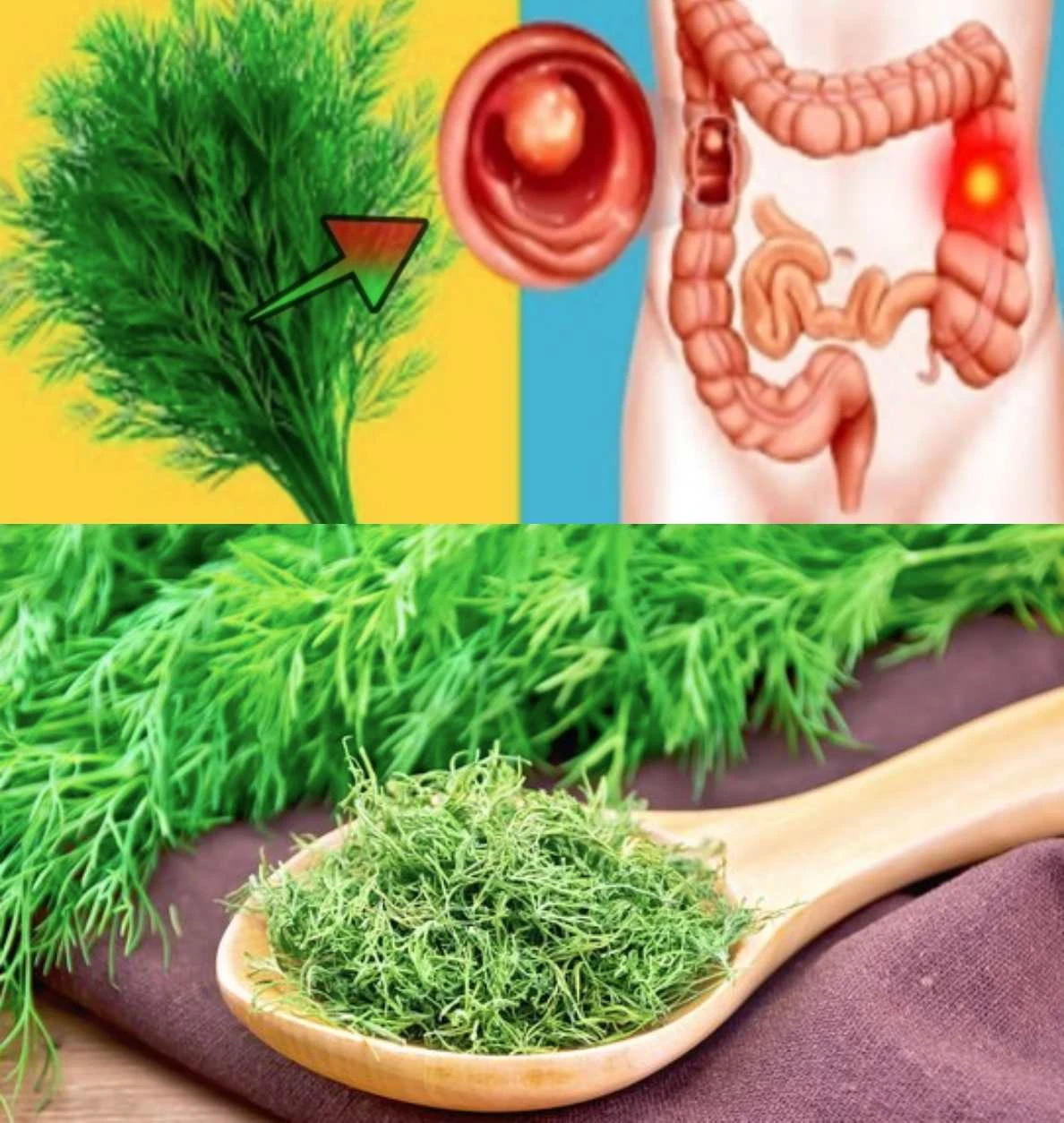
Recipe for dill tea
Ingredients:
- 2 teaspoons of dried dill or fresh dill
- 300 ml of water
Method: Pour boiling water over the dill, cover and let it steep for 10–15 minutes. Then strain and sip the warm tea 2–3× daily. It helps with bloating, soothes digestion, lowers blood pressure and cleanses the body.
If you want to achieve visible results, a regimen of at least 2 weeks is recommended.
Another tip: dill decoction for the bath
If you suffer from urinary tract infections or muscle pain, you can also prepare a dill bath decoction. Boil 30 g of dill seeds in 1 liter of water for about 15 minutes and add to the bath. This natural method helps relax muscles and disinfects the skin.
Conclusion
Dill is proof that even a common kitchen herb can have tremendous healing effects. It helps lower blood pressure, blood sugar, acts as a diuretic and cleanses the body of toxins. At the same time it strengthens immunity, digestion and protects the heart.
Include it more often in your diet – whether in soups, salads or as tea. Your body will reward you with better health and more energy.