Article content
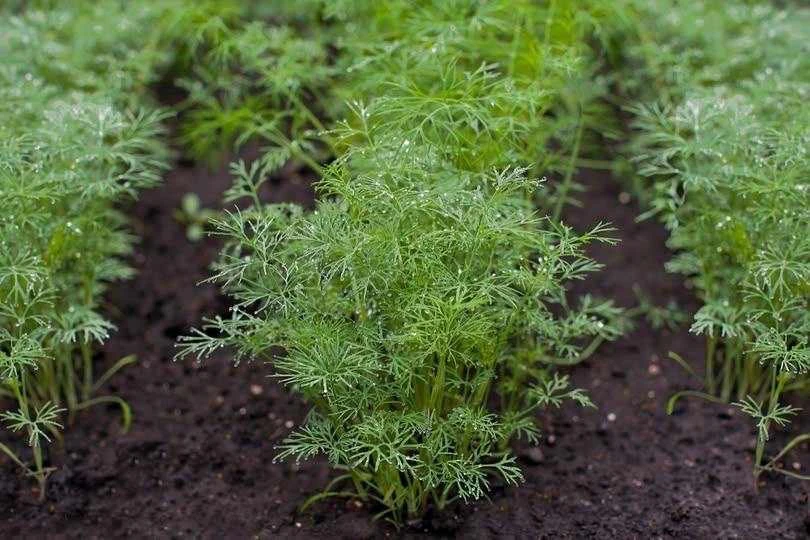
You may be surprised that the ordinary dill we commonly use as a seasoning is actually a very potent medicinal plant. It contains compounds that naturally lower blood sugar levels, cholesterol and at the same time support muscle mass growth. In many countries it is already sold today as a 100% dill salad without additives – just pure power of nature.
Dill as a natural blood sugar regulator
Dill is rich in the trace element vanadium, which plays a key role in regulating insulin production. It helps the body better process carbohydrates and directs them into muscle cells, where they are converted into energy. Regular consumption of dill can therefore be a great support for people who want to maintain stable blood sugar levels – and that completely naturally, without chemicals.
Vanadium also has the ability to lower cholesterol levels in the blood and helps prevent cardiovascular diseases. Because of this, dill is considered one of the most effective natural remedies for metabolic health.
Strengthens bones, teeth and muscles
Besides vanadium, dill is literally packed with important nutrients. It contains vitamins C, A, E, the B vitamins, folic acid and also high amounts of minerals – especially calcium, iron, magnesium, potassium, zinc, phosphorus and copper. Its high fiber content supports digestion, but also contributes to a longer feeling of satiety.
Dill is especially valuable for people who want to strengthen their skeleton, teeth or support muscle mass growth. Vanadium supports the formation of fibrous muscles, but beware – excessive consumption can be risky, so dill should be used in moderation.
Dill as an antioxidant and detoxifier
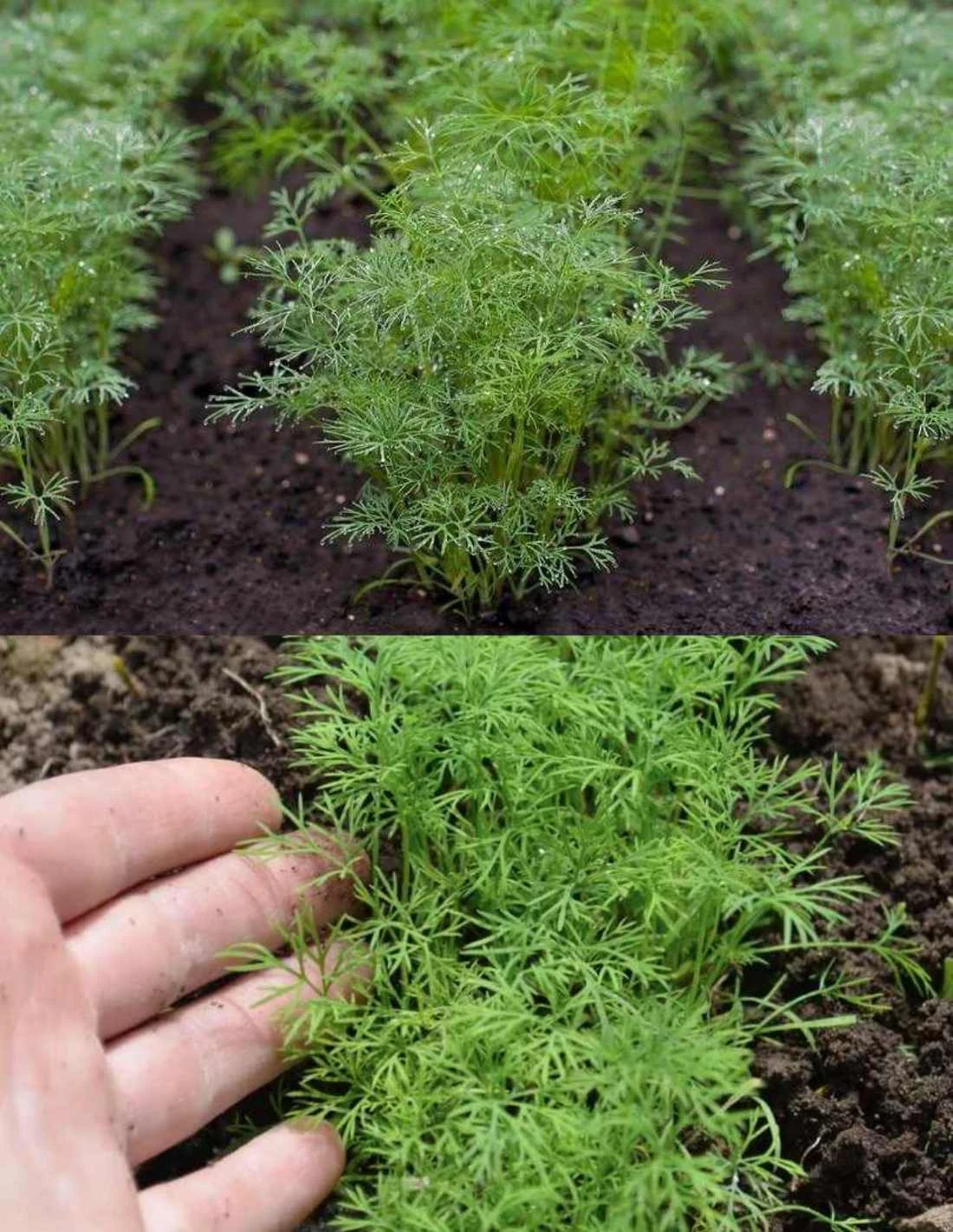
Fresh dill is also an excellent antioxidant. Its leaves and stems protect cells from damage by free radicals, help slow aging and support overall body regeneration. It is also suitable for cleansing cures, because it supports liver function and detoxification.
How to use dill properly?
Dill is best consumed fresh, or gently dried – ideally at temperatures up to 50–60 °C. Industrially dried dill from the store is usually dried at higher temperatures (75–90 °C), which leads to a loss of valuable nutrients. For medicinal purposes, therefore choose homemade or organic dried dill.
Recommendations:
- Start with a small amount and observe your body’s reaction, especially if you have low blood sugar.
- Avoid consuming large amounts of dill at once – it can cause a sudden drop in blood sugar.
Summary
Dill is much more than just a seasoning for sauce or potatoes. It is one of the most powerful natural herbs with effects on sugar metabolism, cholesterol levels and overall vitality. Thanks to its rich content of vitamins, minerals and vanadium, it can be a great support for strong bones, teeth, muscles and the heart. Include it in your diet regularly – ideally fresh or gently dried – and enjoy the natural power of nature.