Article content
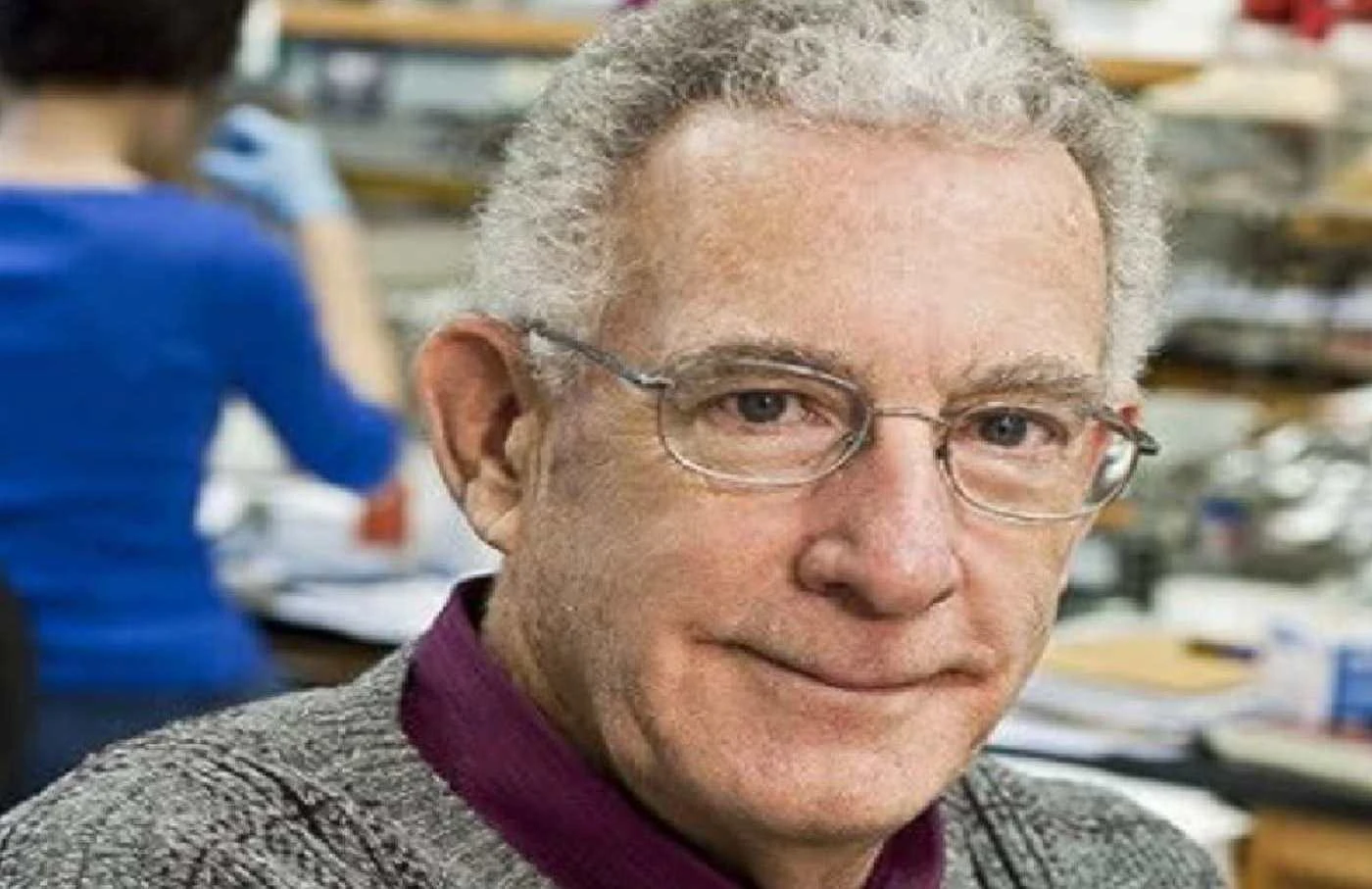
Cancer is often considered a genetic disease, but Professor Thomas Seyfried – a biologist, biochemist and geneticist – holds a different view. After more than 30 years of research, he claims that cancer can be prevented and that its real cause is not genetics but lifestyle and metabolic disorders.
His work offers a completely new perspective on cancer prevention and treatment. According to him, diseases can be prevented by changing diet, lifestyle and taking better care of the body and mind.
Cancer as a metabolic disorder
Professor Seyfried points out that most types of cancer have a common origin – damaged mitochondria, which disrupt the cells’ energy metabolism. This means that by changing our nutrition and the environment we live in, we can influence the risk of developing cancer.
He also points to the inspiring case of patient Pablo Kelly, who was diagnosed with an aggressive form of brain tumor. He refused conventional treatment and chose a metabolic approach – switching to a low-carbohydrate, ketogenic diet. After three years the tumor had shrunk enough that he could undergo surgery, after which he made a full recovery.
7 rules for preventing cancer according to Dr. Seyfried
1. Keep your blood sugar levels stable
High levels of glucose and insulin can “feed” cancer cells. According to Seyfried, it is crucial to avoid sugar, white bread, sweets, processed meats and industrially processed foods. These foods cause chronic inflammation and increase the risk of cancer.
Recommendation: focus on a balanced diet with plenty of vegetables, fiber, quality proteins and healthy fats.
2. Try the ketogenic diet
Dr. Seyfried advocates the ketogenic diet – a way of eating low in carbohydrates and high in healthy fats. The body then uses fats and ketones instead of glucose as its main energy source.
Cancer cells are dependent on sugar, and if we “deprive” them of it, they cannot divide and grow. The ketogenic diet also supports detoxification and improves mitochondrial function.
Recommended foods:
- nuts, seeds, olive oil
- avocado, fish, eggs
- leafy and root vegetables
- coconut oil and butter from grass-fed cows
Before starting the diet it is necessary to consult the change with a doctor or a nutrition specialist.
3. Reduce inflammation in the body
Chronic inflammation is a silent enemy of health. According to Dr. Seyfried, it underlies many diseases – including cancer. He therefore recommends a anti-inflammatory lifestyle:
- avoid processed foods and excess sugar,
- eat foods with strong anti-inflammatory effects: turmeric, ginger, green tea, fatty fish, garlic,
- include more exercise, sleep and mental balance in your life.

4. Practice regular fasting
The professor emphasizes the importance of regular fasting, which lowers blood sugar and stimulates ketone production. These are something cancer cells cannot use as an energy source.
Fasting also supports autophagy – the process by which the body “cleans up” damaged cells and renews healthy tissues.
Tip: start with intermittent fasting (e.g. 16 hours without food, an 8-hour eating window).
5. Reduce stress and give yourself mental calm
Chronic stress damages mitochondria, raises cortisol levels and triggers inflammation. Seyfried therefore emphasizes the importance of mental balance – rest, meditation and time for yourself.
Try breathing exercises, walks in nature, reading or yoga. The body and mind need regeneration to function properly.
6. Move every day
Regular physical activity helps the body burn excess glucose, strengthens the immune system and reduces stress levels. Exercise improves mitochondrial function, which is key to cellular energy and protection against cancer.
You don’t have to run a marathon – 30 minutes of brisk walking, cycling or light exercise daily is enough.
7. Get sufficient, high-quality sleep
According to Dr. Seyfried, sleep is the key to the body’s regeneration. During the night cells are repaired, immunity is restored and the body is cleansed of toxins. Lack of sleep weakens defenses and disrupts hormonal balance.
Recommendation: get 7–9 hours of quality sleep in a well-ventilated room without blue light and electronics.
Professor Seyfried’s final thoughts
According to the scientist, there are reliable ways to significantly reduce the risk of cancer. Prevention begins in everyday life – with healthy food, enough exercise, sleep and a balanced mind.
Dr. Seyfried also points out that in the past cancer was extremely rare among traditional African tribes, precisely because of their natural lifestyle and diet without industrially processed foods.
The simple message is: By changing our lifestyle we can reduce the risk of cancer and improve our health.