Article content
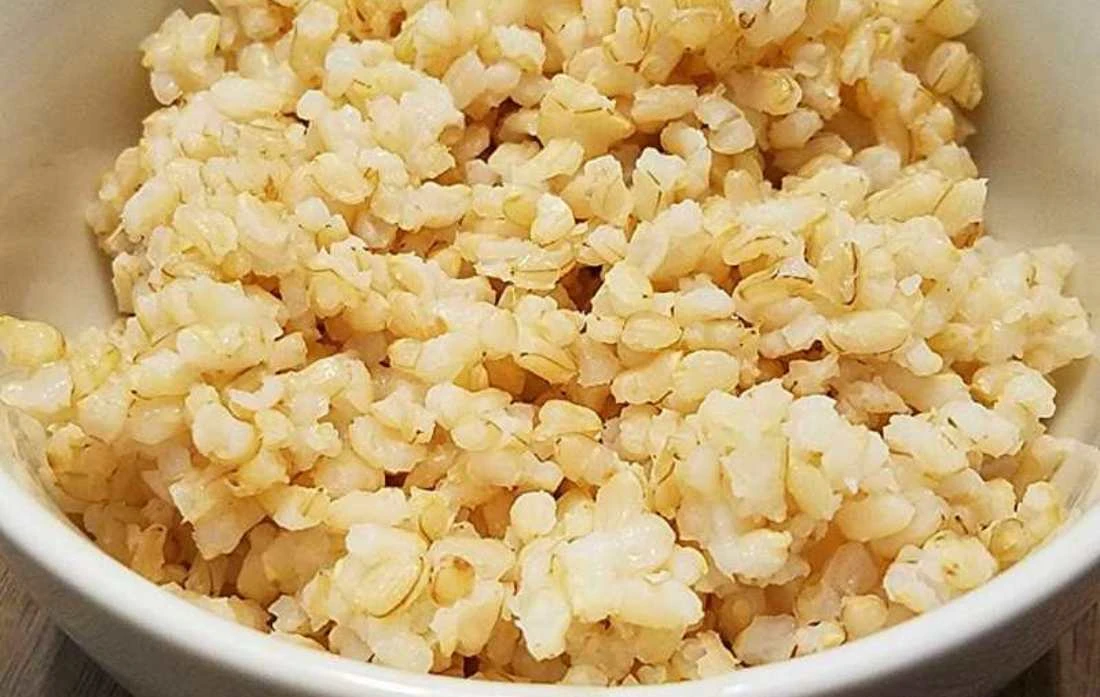
Bulgur is among the foods humanity has known for thousands of years, yet it has only secured its firm place on our plates in recent years. The traditional ingredient of Middle Eastern and Mediterranean cuisine surprises not only with its mildly nutty flavor but also with a very favorable nutritional profile. That is why it is often recommended today as a healthier alternative to white rice, potatoes, or classic pasta.
Bulgur is a rich source of fiber, B vitamins and minerals such as potassium, magnesium, phosphorus, iron and manganese. Thanks to this combination of nutrients, it supports heart health, proper digestion and a long-lasting feeling of fullness, which is appreciated by people trying to manage their weight.
What bulgur is and why it’s worth including in your diet
Bulgur is made from durum wheat, which is first steamed, dried and then cracked into smaller pieces. Thanks to this processing it retains much of its nutrients and at the same time cooks very quickly.
Its main benefits include:
- Potassium – supports proper heart function, helps regulate blood pressure and contributes to healthy blood circulation.
- Magnesium – important for the nervous system, muscles and mental balance. There are approximately 32 mg of magnesium in 100 g of dry bulgur.
- Fiber – approximately 12 g per 100 g, supports digestion, helps prevent constipation and prolongs the feeling of fullness.
- B vitamins – especially B6 and folic acid, important for the nervous system and blood formation.
- Low glycemic index – approximately 46, suitable even for people with diabetes or insulin resistance.
Thanks to its slow release of energy, bulgur helps stabilize blood sugar levels and reduces the risk of sudden energy swings and cravings for sweets.
Bulgur and heart health
Regular consumption of whole grain cereals, which includes bulgur, is associated with a lower risk of cardiovascular disease. The combination of fiber, potassium and antioxidants can help lower LDL cholesterol levels and support the elasticity of blood vessels.
Bulgur therefore represents a simple but long-term sustainable step toward a healthier diet.
Is bulgur suitable for weight loss?
Although bulgur contains carbohydrates, its high fiber content keeps you full for a long time. This helps reduce overall calorie intake during the day. Compared to white rice or potatoes it has a higher nutritional value and a lower glycemic index, which makes it a suitable food even on a reduction diet.
How to prepare bulgur: 2 simple and tasty recipes
1. Basic cooked bulgur as a side dish
Ingredients:
- 1 cup bulgur
- 2 cups water or vegetable broth
- a pinch of salt
Method:
Pour boiling water or broth over the bulgur, salt it, cover with a lid and let it soak for 10–15 minutes. Then fluff with a fork. It serves well as a side dish for meat, fish, vegetables or in salads.
2. Bulgur with vegetables and herbs
Ingredients:
- 1 cup bulgur
- 1 zucchini
- 1 bell pepper
- 1 small onion
- olive oil
- salt, pepper
- fresh parsley or cilantro
Method:
Prepare the bulgur according to the basic method. In a pan, sauté the onion in olive oil, add the diced vegetables and briefly fry. Mix with the cooked bulgur, season with salt, pepper and herbs.
Conclusion
Bulgur is an unassuming but nutritionally very valuable food. It supports heart health, digestion and stable blood sugar levels and thanks to its versatility it suits everyday cooking. If you are looking for a healthier alternative to rice or potatoes, bulgur is a choice that makes sense.