Article content
At first glance you might consider it an ordinary weed, but garlic mustard, also known as garlic mustard, is actually one of the most valuable medicinal herbs of spring. It grows almost everywhere – along roads, at the edges of forests, in gardens and parks. Yet today few people know it. And this very plant can benefit heart and vascular health, strengthen immunity and also enrich the kitchen with its delicate garlic flavor.
Health benefits of garlic mustard
Garlic mustard is not only a tasty spring herb, but also an effective means of natural treatment. It contains a number of valuable substances that have a beneficial effect on the human body:
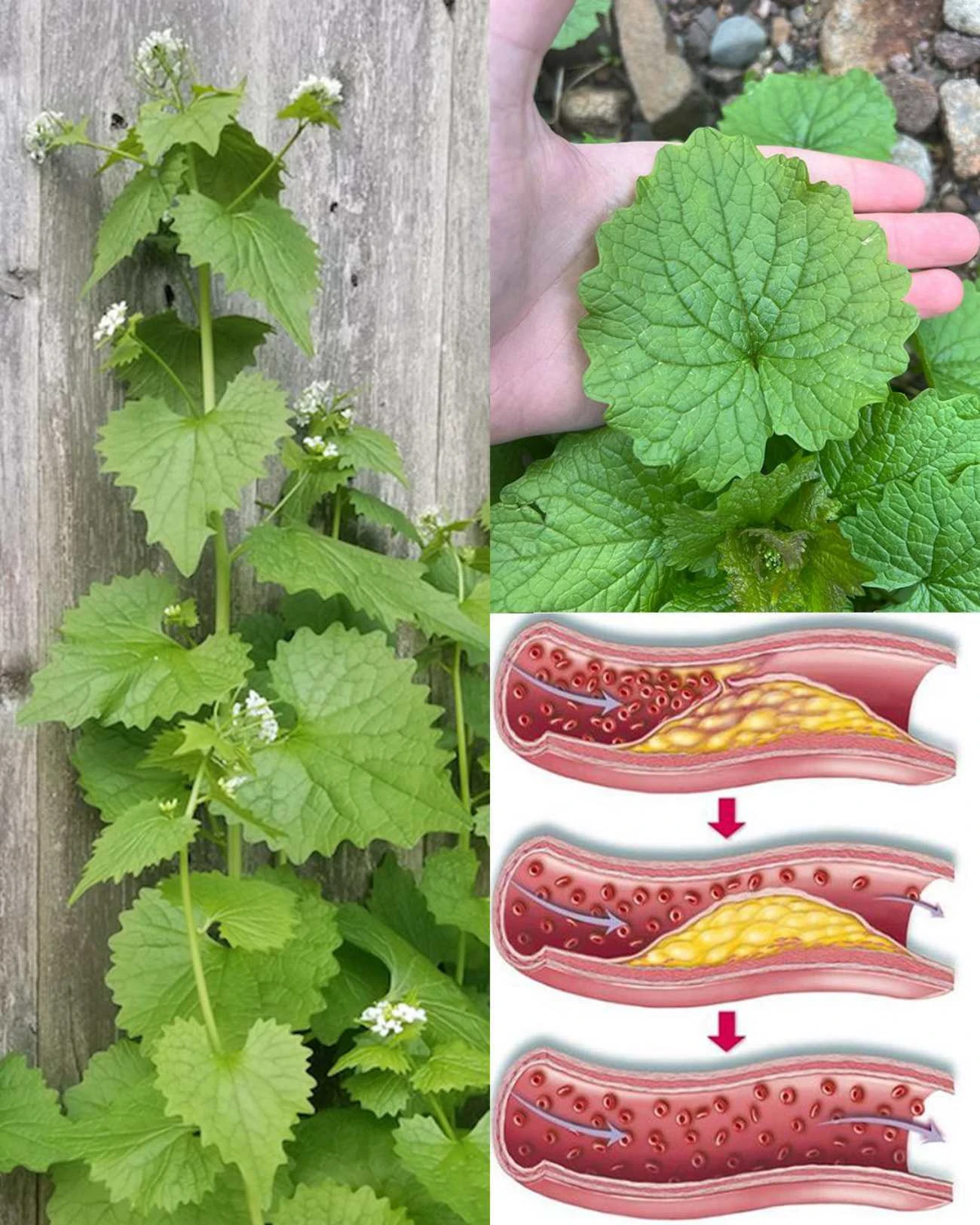
- Support for blood circulation and vascular health – thanks to its sulfur and flavonoid content it benefits heart function and the vascular system.
- Rich in vitamin C and antioxidants – helps the body fight free radicals and strengthens the immune system.
- Antibacterial and anti-inflammatory effects – suitable for colds and respiratory infections.
- Spring detoxification – stimulates digestion, supports the kidneys and acts as a natural diuretic.
- Prevention of spring fatigue – helps provide the body with vitality after winter, when fresh herbs and vitamins are often lacking.
Use in the kitchen
Thanks to its mild garlic flavor, garlic mustard is a great alternative to garlic or chives. Its leaves and flowers can be eaten raw or cooked.
- Young leaves are suitable for spring salads, spreads or herb butter.
- It tastes great as part of spring stuffing or homemade pesto.
- Dried leaves can be used as a seasoning for soups, sauces or meat dishes.
- Its delicate flavor also works well in vegetable smoothies or juices.
Recipe for garlic mustard pesto
Try a simple recipe that will give your dishes a unique flavor:
Ingredients:
- 2 handfuls of young garlic mustard leaves
- 50 g sunflower seeds or walnuts
- 50 ml olive oil
- juice of 1/2 lemon
- salt to taste
Instructions: Wash the garlic mustard leaves, put them in a blender together with the nuts, oil, lemon juice and salt. Blend everything into a smooth paste. Store the pesto in the refrigerator and consume within a week. It is great with pasta, on bread or in spreads.
Harvesting and safety
- The best time to harvest is April to May, when the leaves are fresh and richest in nutrients.
- Collect only in clean places, away from roads and chemically treated areas.
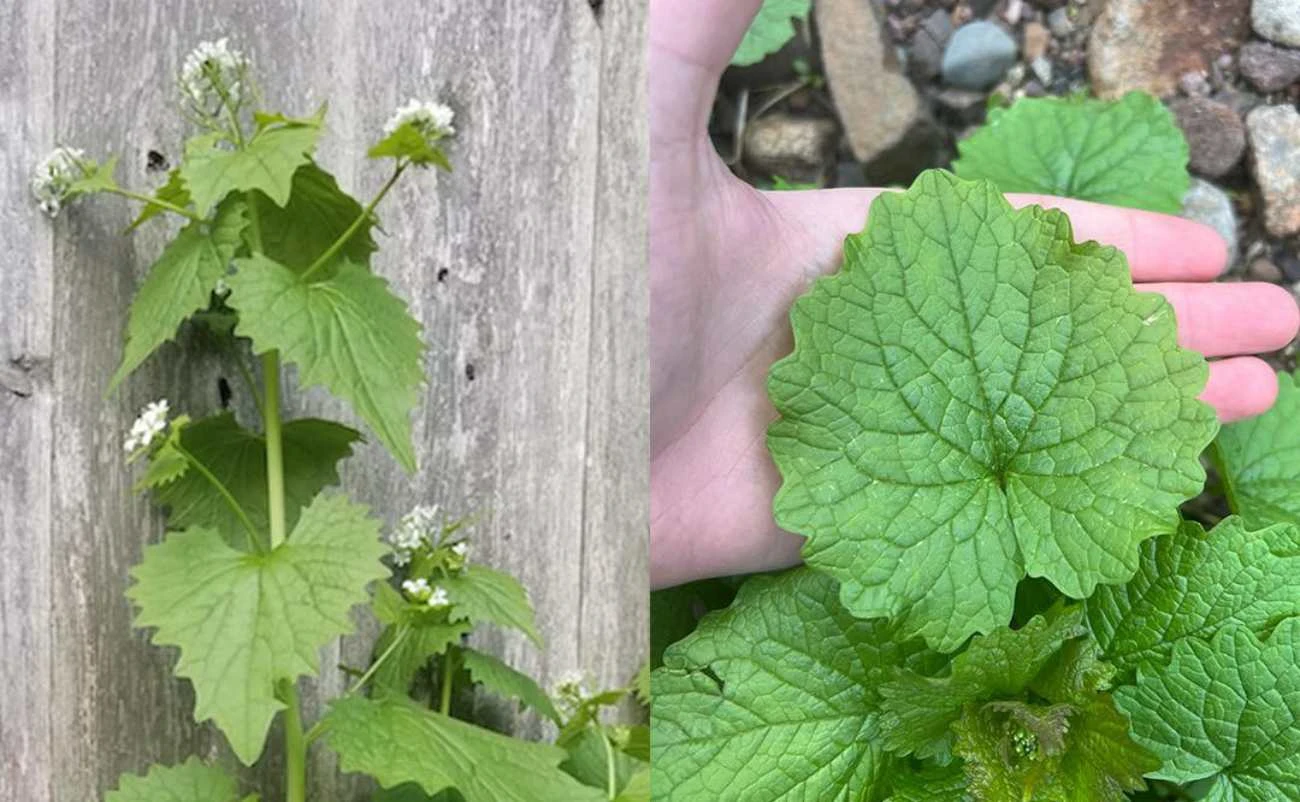
- You can recognize the plant by its heart-shaped leaves and the mild garlic scent when crushed.
- Be careful – garlic mustard is an invasive species. Harvest it responsibly and do not try to spread it intentionally so it does not threaten native flora
Garlic mustard – an herb that should not be forgotten
At a time when more and more people are looking for natural ways to care for their health, garlic mustard should return to our kitchens and home natural medicine cabinets. It is a medicinal herb that supports heart health, blood circulation, digestion and immunity, while also offering interesting culinary possibilities.
If you don’t know it yet, try it. You may find that this “weedy” plant is one of the most valuable spring gifts of nature.