Article content
There is a plant that improves memory, supports vision, protects the heart and acts against aging. It is called ginkgo biloba (Ginkgo biloba) – an ancient tree that appeared on Earth more than 200 million years ago. Today it is considered the most effective natural remedy for a healthy brain and vision, and yet it is affordable for everyone.
Why ginkgo biloba is so exceptional
Ginkgo biloba is one of the longest-living plants in the world. In traditional Chinese medicine it has been used for thousands of years, mainly to improve blood circulation, memory and cognitive functions. Its leaves contain more than 60 active compounds that have strong antioxidant, anti-inflammatory and vascular effects.
The most important of them are:
- flavonoids (amentoflavone, quercetin, kaempferol, bilobetin) – protect cells from damage,
- terpenes (bilobalide, ginkgolide) – improve blood flow and oxygen supply,
- vitamin C – supports immunity and tissue regeneration.
Thanks to this combination, ginkgo biloba has a positive effect on the brain, eyes, heart and nervous system.
Ginkgo biloba for better vision and healthy eyes
Regular use of ginkgo improves blood circulation in the retinal vessels and promotes the supply of oxygen to the eyes. This helps to maintain sharp vision and may alleviate the symptoms of diseases that damage sight with increasing age – for example macular degeneration or cataracts.
Ginkgo biloba also protects vision from oxidative stress that damages eye cells. Therefore it is considered one of the best natural supplements for healthy eyes.
Ginkgo biloba for the brain, memory and concentration
Due to its effect on blood circulation and oxygenation of the brain, ginkgo biloba improves memory, concentration and speed of thinking. It helps students with learning as well as older people who want to slow down age-related memory decline.
Research confirms that ginkgo:
- improves brain metabolism,
- increases the resilience of nerve cells to oxygen deprivation,
- reduces fatigue and improves mental performance,
- acts as a natural antioxidant and protects brain cells from free radicals.
Other benefits of ginkgo biloba
- alleviates headaches and migraines,
- helps with Raynaud’s disease and poor circulation in the extremities,
- supports heart and vascular health,
- contributes to the improvement of sexual function in men and women,
- may help with multiple sclerosis and asthma,
- has anti-inflammatory and antioxidant effects.
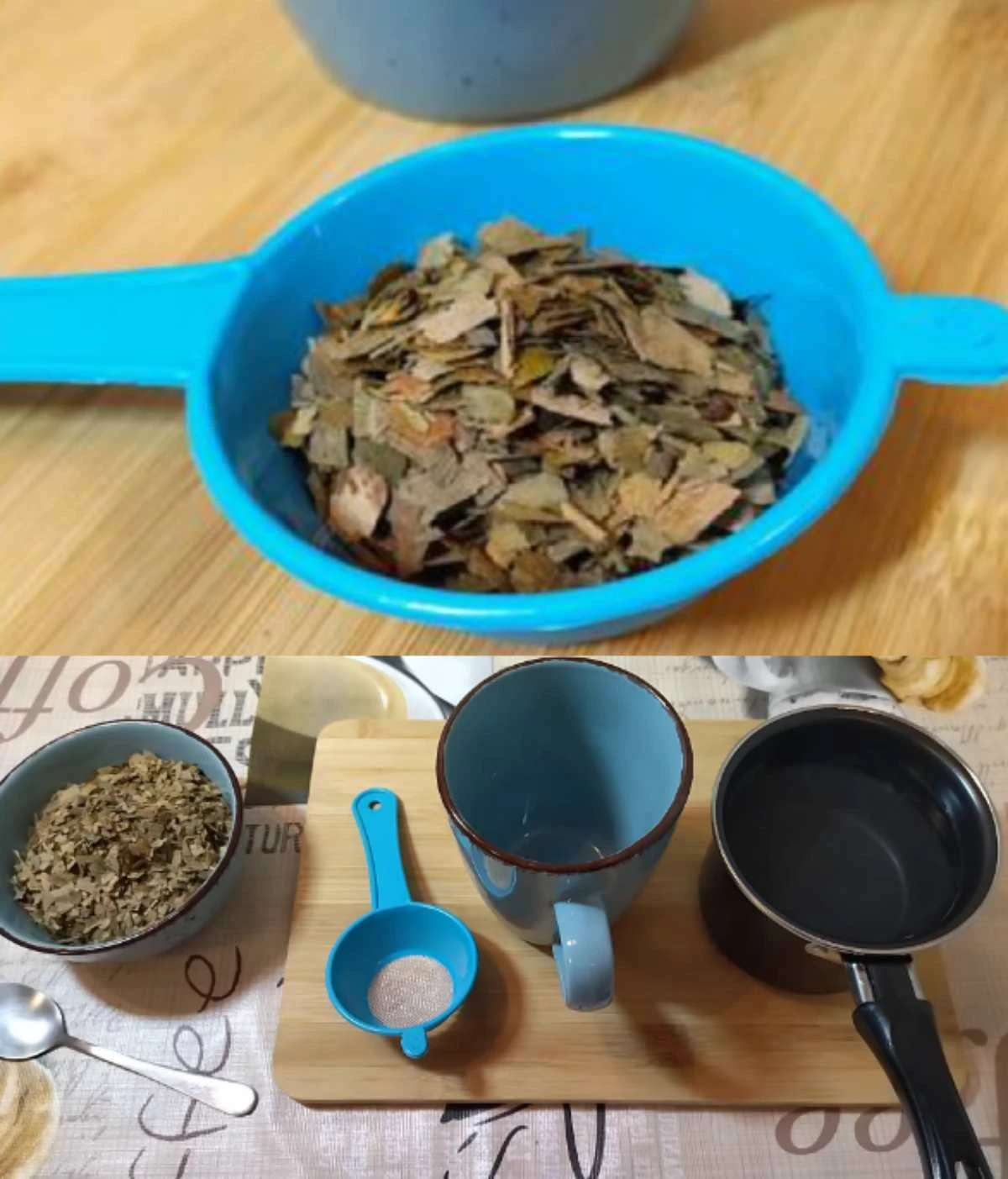
How to prepare ginkgo biloba tea
Ingredients:
- 1 teaspoon of dried ginkgo biloba leaves,
- 250 ml of boiling water.
Instructions:
- Place the chopped dry leaves into a cup.
- Pour boiling water over them.
- Let steep for 8–10 minutes and then strain.
Drink 2 cups of tea a day, preferably in the morning and afternoon.
Tip: Ginkgo tea is suitable for long-term consumption – for more pronounced effects at least 6–8 weeks.
Warning
Although ginkgo biloba is very beneficial, do not take it in excessive amounts. If you are taking blood-thinning medication, consult your doctor first – ginkgo may affect their effectiveness.
Summary
Ginkgo biloba (Ginkgo biloba) is rightly called a herb for the brain and eyes. It improves blood circulation, protects against free radicals, strengthens memory and concentration, and keeps vision sharp even at an older age.
If you want to naturally support memory, concentration and eye health, incorporate ginkgo into your daily ritual.