Article content
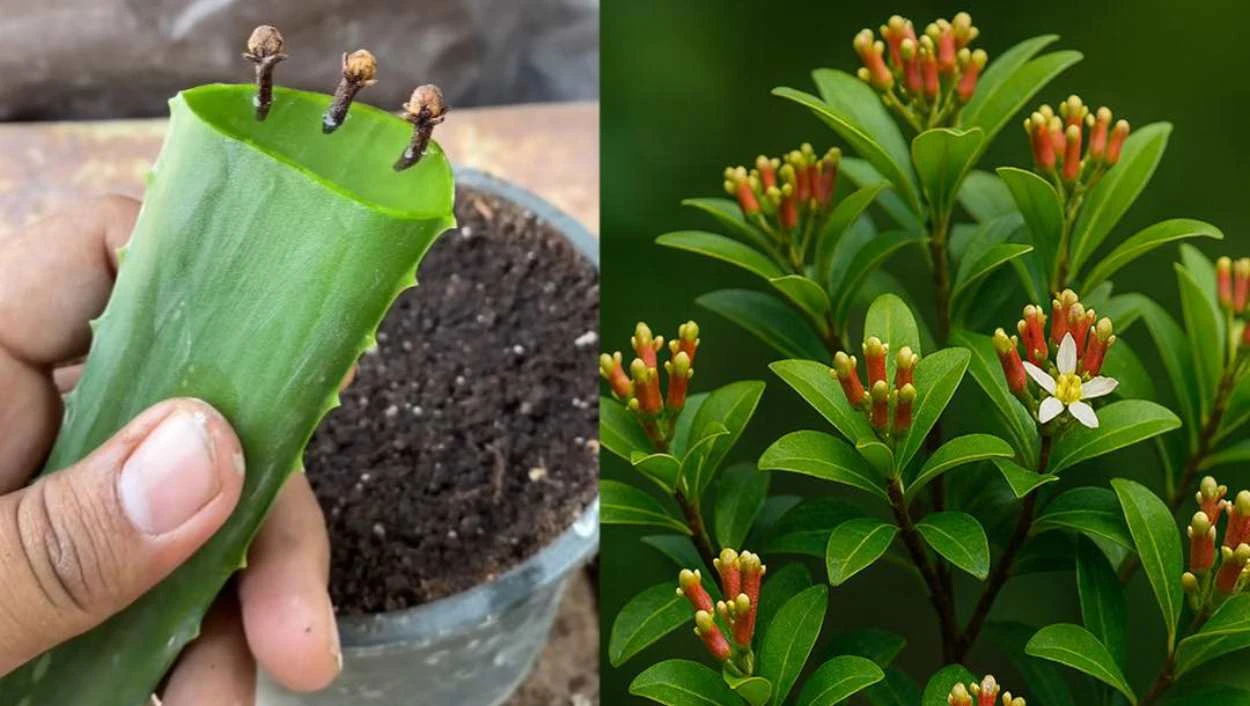
Clove is one of the world’s most popular spices – it scents Christmas cookies, mulled wine and homemade cough syrups. Few people know, however, that clove is actually the dried bud of the tree Syzygium aromaticum, a tropical plant originating from Indonesia. This exotic tree is quite demanding to cultivate in the wild, but if you love challenges, you can try to grow your own clove plant at home – as a decorative rarity with the scent of distant lands.
What clove is and where it comes from
Clove originates from the Molucca Islands, also nicknamed the Spice Islands, and belongs to the myrtle family. In the wild the tree can grow up to 10 meters high and its buds are harvested before they bloom. After drying they acquire a typical brown color and an unmistakable aroma thanks to a high content of eugenol – a substance with antibacterial, disinfectant and analgesic properties.
In our conditions clove is grown more for ornament and pleasure than for spice harvest, but the cultivation process itself is a beautiful way to get closer to nature and understand where this fragrant spice comes from.
Why try growing cloves at home
Growing cloves at home brings more than just a nice plant on the windowsill. It’s an interesting experiment that allows you to learn the growth cycle of this exotic tree.
Main reasons to try it:
- You will gain a unique exotic plant that will decorate your apartment or conservatory.
- You will learn more about the origin of the spice we use every day.
- You will get closer to traditional herbalism and natural cultivation methods.
- It’s a challenge for every enthusiast who likes trying new types of plants.
How to start: seeds and germination
The typical clove from the store are dried buds that will never germinate. If you want to grow a real plant, you’ll need fresh seeds or small seedlings – these can be ordered from specialized tropical plant growers.
Germination process:
- Place the seeds in moist, well-draining soil (a mix of peat and sand).
- Put them in a warm environment with a temperature around 25–28 °C.
- Keep the soil moist, but not waterlogged.
- Germination can take 4–6 weeks – it requires patience.
Tip: To increase humidity you can cover the pot with plastic or grow the seeds in a mini greenhouse.
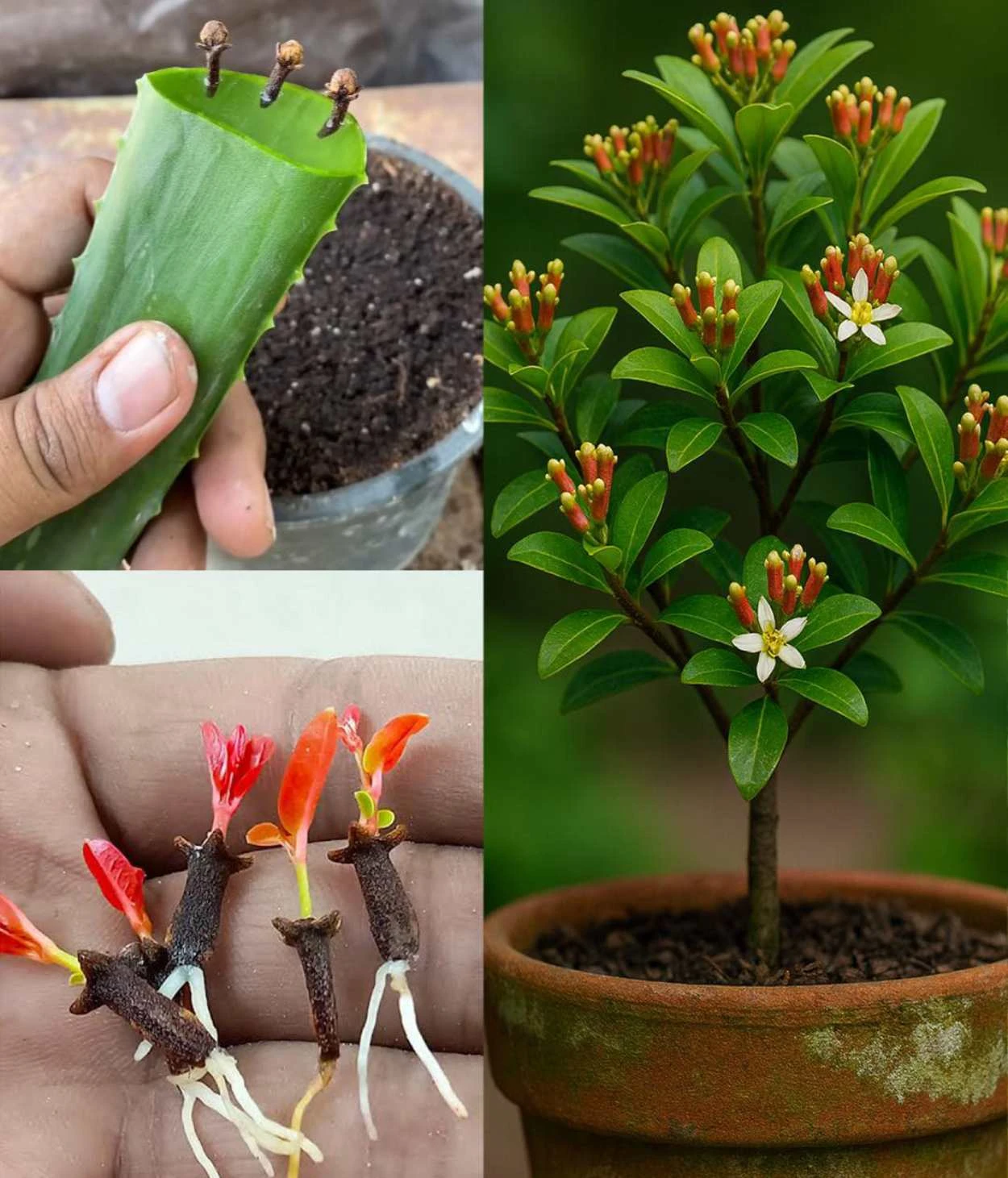
Caring for the clove plant
Once the seedling has germinated, it needs light, warmth and humid air – conditions that mimic its natural environment.
Important cultivation rules:
- Light: provide the plant with plenty of light, but avoid direct midday sun.
- Temperature: ideal is 22–28 °C, never below 15 °C.
- Humidity: the plant likes high air humidity – it thrives in a greenhouse or conservatory.
- Watering: regular but moderate – the soil should remain slightly moist, not waterlogged.
- Fertilizing: add a natural fertilizer for exotic plants once a month.
In our climatic conditions clove is more of a decorative plant. Producing buds is possible only in very warm and humid conditions – but even without them it will please you with its appearance and gentle scent.
How to use clove at home
Even if you don’t succeed in obtaining your own spice, you can use clove in the kitchen and home medicine cabinet.
Tips on how to use it:
- In mulled wine and punch – it adds a typical Christmas aroma.
- In gingerbread, cakes and Christmas cookies.
- In homemade cough syrups.
- In pickled vegetables – it mellows the flavor and extends shelf life.
- As a natural air freshener – stick cloves into an orange and let it scent the room.
Conclusion
Growing cloves at home is above all an adventure for lovers of plants and the exotic. You will probably not enjoy your own spice harvest, but you will gain a unique experience and a plant that symbolizes the scent of distant places, warmth and tradition.
Try growing clove as a small piece of the tropics in your home – it may become a beloved part of your herb collection.