Article content
Thousands of women in the Czech Republic struggle with symptoms that may seem trivial at first glance – fatigue, irregular menstruation, acne, weight gain or unwanted facial hair. In reality, these can be caused by a hormonal imbalance, which is often associated with polycystic ovary syndrome (PCOS). According to statistics, it affects up to 10 % of women of reproductive age.
What is polycystic ovary syndrome (PCOS)?
PCOS is a complex hormonal disorder that affects ovarian function. It’s not just a problem with cyst formation – the name is somewhat misleading. The key factor is a hormonal imbalance, which can manifest with various symptoms – often from puberty onwards.
Main symptoms of PCOS include:
- irregular or absent menstruation
- weight gain and difficulty losing weight
- increased facial and body hair (hirsutism)
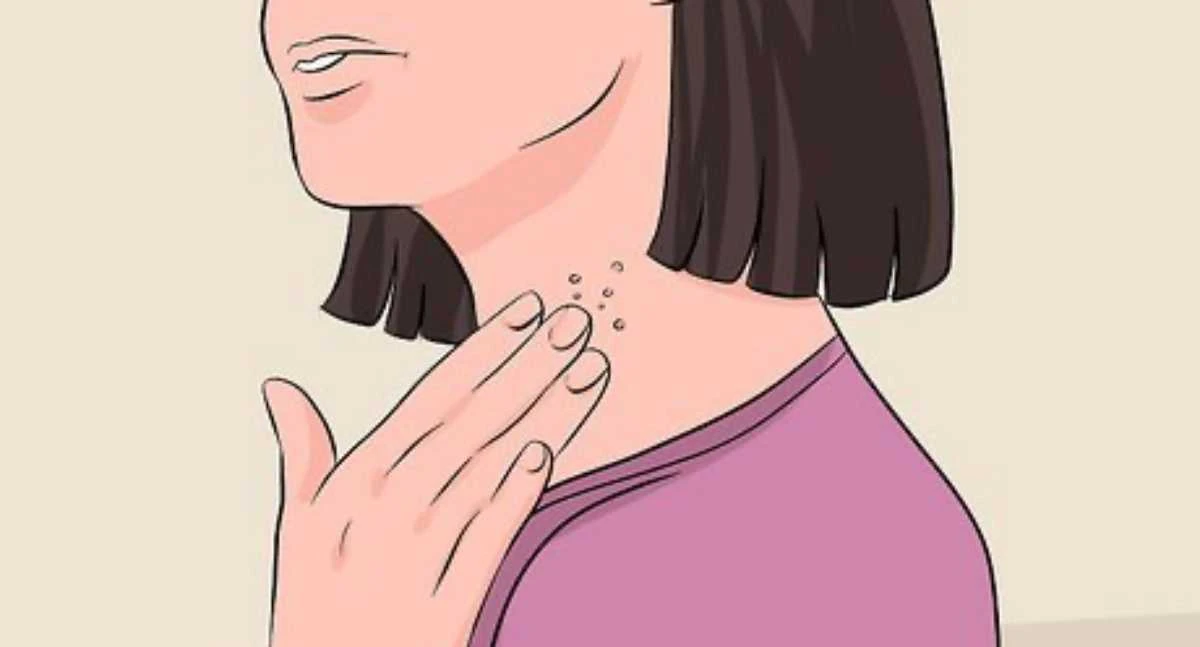
- acne, oily skin
- fertility problems
- fatigue and mood swings
- ovarian cysts (visible on ultrasound)
Cause: insulin resistance
According to recent research, PCOS is often linked to elevated insulin levels in the blood. The body responds poorly to insulin, which leads to its overproduction. This stimulates the ovaries to produce testosterone – a male hormone that causes typical symptoms such as acne or excess hair. This condition is called hyperinsulinemia and is often a key focus in PCOS treatment.
Diagnosis and treatment: what to expect at the doctor?
Treatment of PCOS is always individualized. It depends on whether a woman plans to become pregnant, her age, cycle status, hormone levels and possible overweight. You will usually undergo a combination of the following examinations:
- blood tests for a hormonal profile
- glucose tolerance test
- ovarian ultrasound
- examination of cervical mucus
- endocrinological examination
Doctors often recommend weight loss – even a 10 % reduction in body weight can significantly improve symptoms and kick-start ovulation.
Natural treatment of PCOS: what you can do yourself?
1. Dietary adjustment
- limit foods with a high glycemic index (sweets, white bread, sugary drinks)
- include fiber, protein and healthy fats
- prefer warm meals – avoid cold dishes and drinks
- avoid industrially processed foods and margarines
- ideal choices are broths, stewed vegetables, fermented foods
2. Dietary supplements suitable for PCOS:
- inositol (vitamin B8)
- vitex (chaste tree)
- Peruvian MACA
- curcumin
- vitamin D, coenzyme Q10, chromium, magnesium
Always choose supplements without added sweeteners and sugars.
What to do if you want to get pregnant?
If your goal is pregnancy, ovulation needs to be stimulated. The doctor monitors follicle growth by ultrasound and determines the best time for conception. Ovulation-inducing medications are often given and a combination of exercise and dietary changes is recommended.
With elevated insulin levels, metformin is also used – a drug that reduces insulin resistance. The effect appears after several months and the treatment is always managed by a doctor.
Long-term care = the key to success
Unfortunately PCOS cannot be completely cured. However, it can be very well kept under control. The key is patience, a regular routine, mindful care of the body and mental well-being. If you are troubled by any of the symptoms listed above, do not ignore them. The sooner you start taking action, the greater your chance of improvement.
👉 Share the article with your friends and women around you. They may be looking for answers that could change their lives.
Warning
The information in this article is not intended as a medical diagnosis or treatment. In case of health problems, always consult your doctor.