Article content
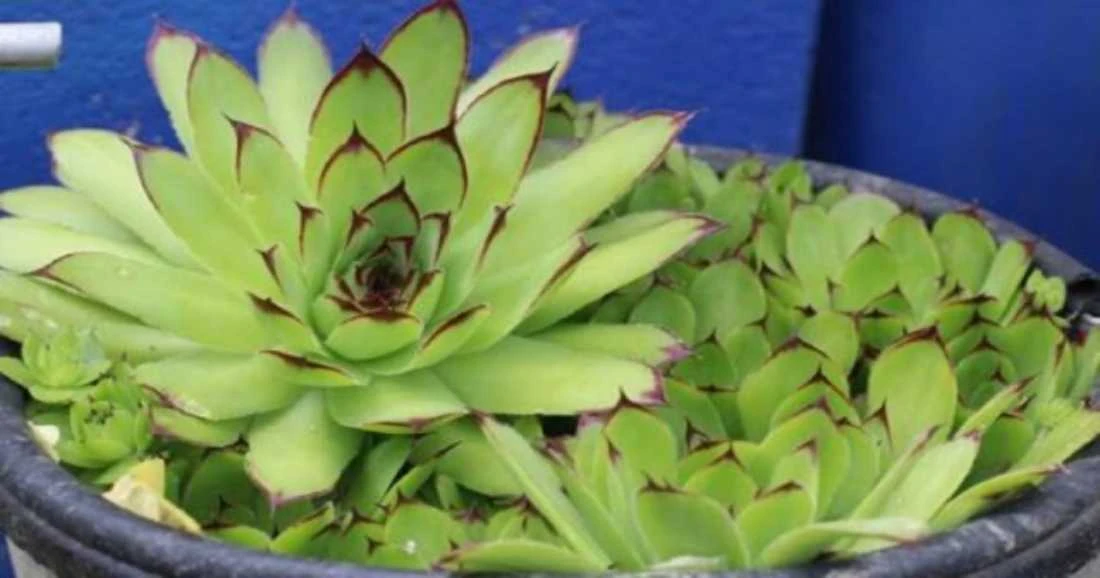
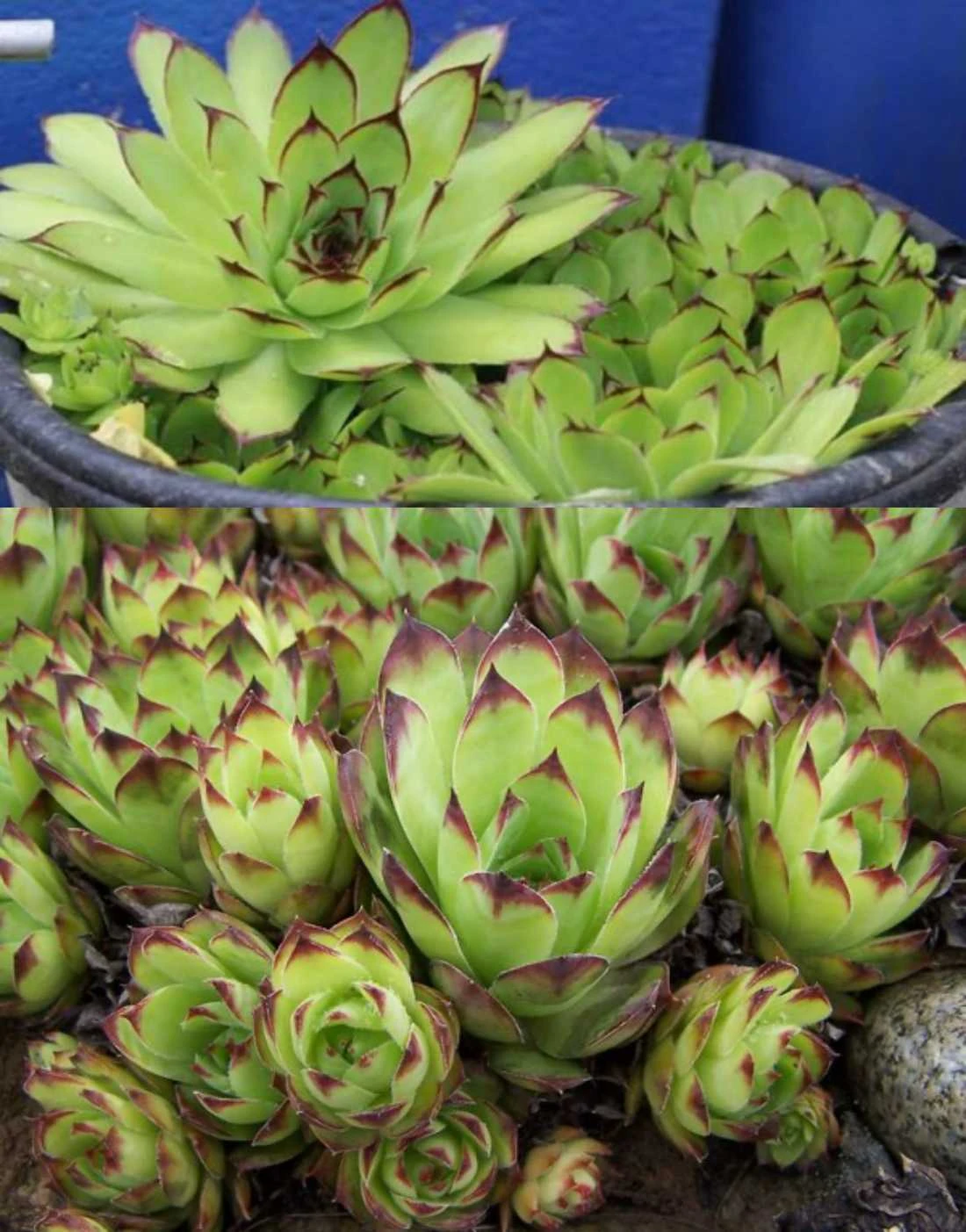
Roof houseleek (Sempervivum tectorum) is a beautiful, evergreen plant that deserves a place in every garden. You may also know it by names such as house rose, stone rose, ear plant or wall rose. Few people know, however, that besides its aesthetic value it also has strong medicinal properties that have been used in folk medicine for centuries.
Where it grows and why it is so low-maintenance
This succulent plant is widespread mainly in Europe, particularly on sunny and rocky slopes of mountainous areas. Houseleek loves the sun, dislikes waterlogging and excels in high drought resistance. It reproduces very easily – small seedlings are enough, which quickly take root in spring.
What houseleek contains and why it is so valuable
Houseleek leaves are rich in many active substances. They contain flavonoids, tannins, plant acids, mucilage, vitamin C and free amino acids. Thanks to this, it has:
- anti-inflammatory
- antiviral
- antibacterial
- analgesic effects (especially topical)
“Houseleek is literally a home first-aid kit in a flowerpot.”
How to use it in home treatment
In folk medicine primarily the fresh juice from the leaves is used. It helps with middle ear infections, which is why it earned the nickname ear plant. The leaves are crushed, placed in a cloth and the squeezed juice is dropped into the ear. Another method is inserting a piece of leaf into the ear tied to a thread.
It is also used for:
- burns and cuts
- insect stings
- inflammatory sores and eczema
- hemorrhoids and cracked nipples
- itching and swelling
Houseleek in cosmetics? Yes!
Thanks to its antioxidant and regenerative effects, houseleek is also used in modern cosmetics. We find it in after-sun creams, moisturizing products and products for irritated skin. It also helps with tired skin and fading.
Houseleek as tea or tincture
From the fresh juice you can also prepare tea, which relieves sore throat, helps with bronchitis, mouth ulcers or inflammations in the mouth. In Samuel Diószegi’s book from 1813 it is recommended for burns, hemorrhoids and fever.
Side effects? None!
Houseleek is considered safe even with long-term use. No cases of side effects are known and it has no contraindications. Because of that it can also be used by children or seniors.
Summary
Houseleek is an ideal plant for anyone looking for natural alternatives to conventional medicines. It is easy to grow, looks beautiful and can help with a range of health issues. Whether you use it as first aid for a sting or as part of homemade cosmetics, houseleek will surprise you with its strength and efficacy.