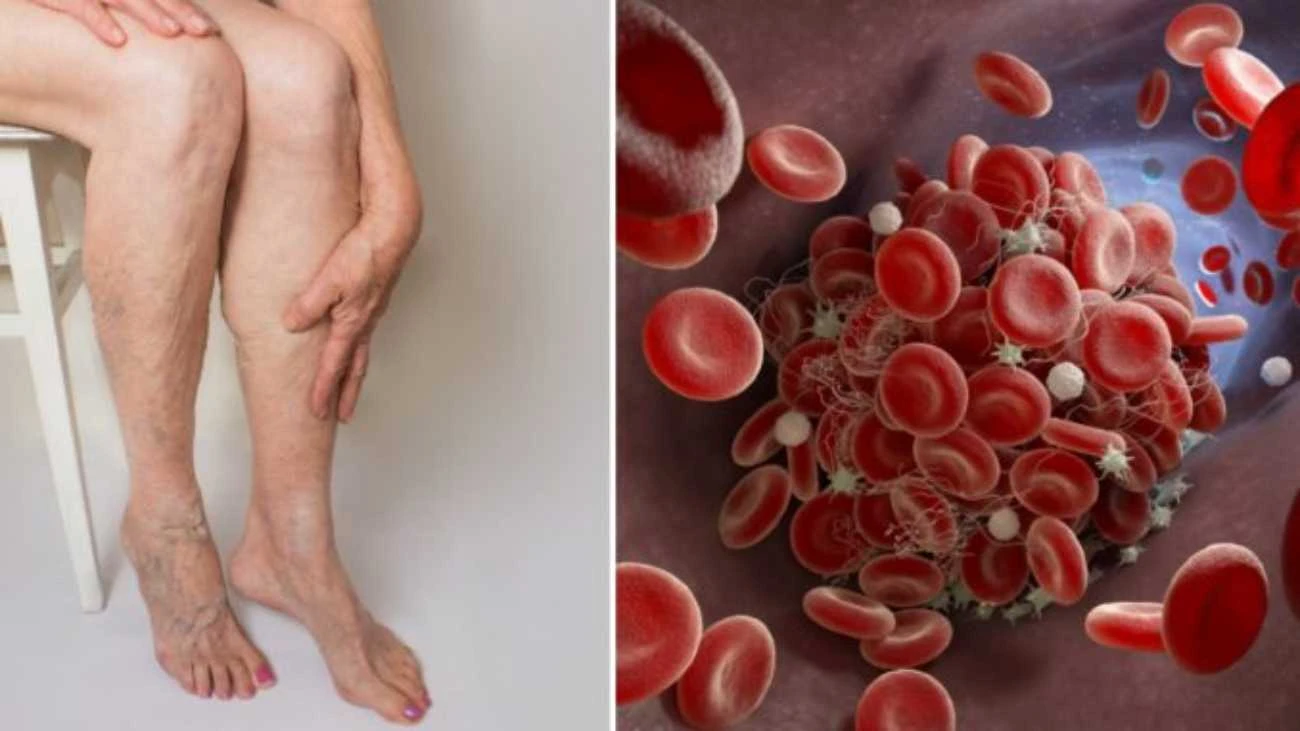
Article content
Swelling, pain and redness of the legs can be more than just tiredness. They may be the first warning signs of a dangerous thrombosis that can be life-threatening. A timely response can determine your health outcome.
Thrombosis: the silent killer that affects one leg
Thrombosis is one of the serious cardiovascular conditions that can end fatally. It most often manifests as a blockage of the veins in the lower limbs by a blood clot. Symptoms are often overlooked or attributed to fatigue, which can have fatal consequences.
Most common signs of a blood clot
- Swelling – initially around the ankle, calf or foot, later affecting the whole leg.
- Pain – worsens when walking, eases at rest, often tenderness to touch.
- Redness and warmth – the skin on the leg is warmer and reddened.
What to do if you suspect thrombosis?
Do not delay and seek medical attention immediately. Do not massage the leg, do not apply cold compresses. Your doctor will likely perform a deep vein ultrasound, which is quick, safe and non-invasive.
Causes and risk factors of thrombosis
- hormonal contraception or therapy
- surgical procedures and injuries
- genetic predisposition (e.g., thrombophilia)
- long periods of sitting without movement
- obesity, older age
- cancer

Possible complications: why is thrombosis so dangerous?
The greatest threat is the dislodgement of a blood clot – an embolus. It can travel to the lungs, heart or brain and cause pulmonary embolism, a heart attack, or a stroke. Symptoms include:
- shortness of breath
- chest pain
- coughing up blood
- numbness or tingling in the limbs
- problems with speech or vision
Treatment of thrombosis
Treatment should always be managed by a doctor. Anticoagulants and fibrinolytics are used. If medication fails, surgery may be necessary. Varicose veins increase the risk because they slow blood flow.
How to prevent thrombosis?
- move regularly and avoid prolonged sitting
- maintain a healthy weight and drink plenty of fluids
- be aware of family medical history and consider genetic testing
- on long trips take breaks and move your legs
Conclusion
Do not underestimate symptoms such as swelling, pain and redness of the leg. They can be the first sign of a serious condition. Share this article with your loved ones – it could save someone’s life.
Warning: This article is not medical advice and does not replace professional examination. In case of any health problems, always consult a physician.