Article content
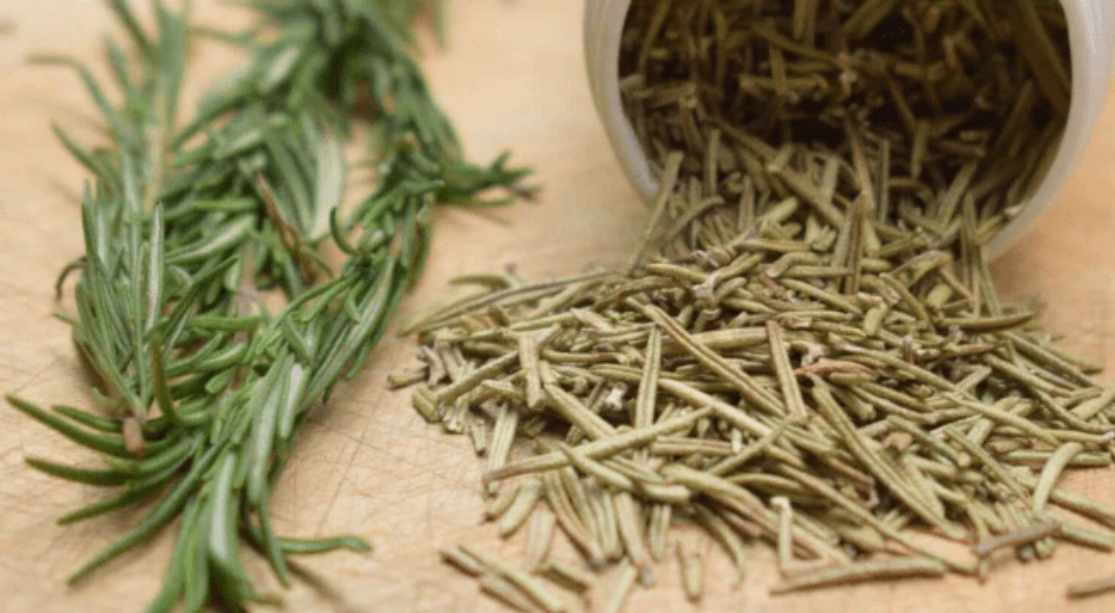
Rosemary (Rosmarinus officinalis) is a popular herb that has not only a distinctive aroma and wide culinary uses, but also medicinal properties. It helps improve digestion, supports memory, and has antibacterial effects. Growing rosemary in a pot is an ideal choice for anyone who wants fresh herbs always at hand – all year round.
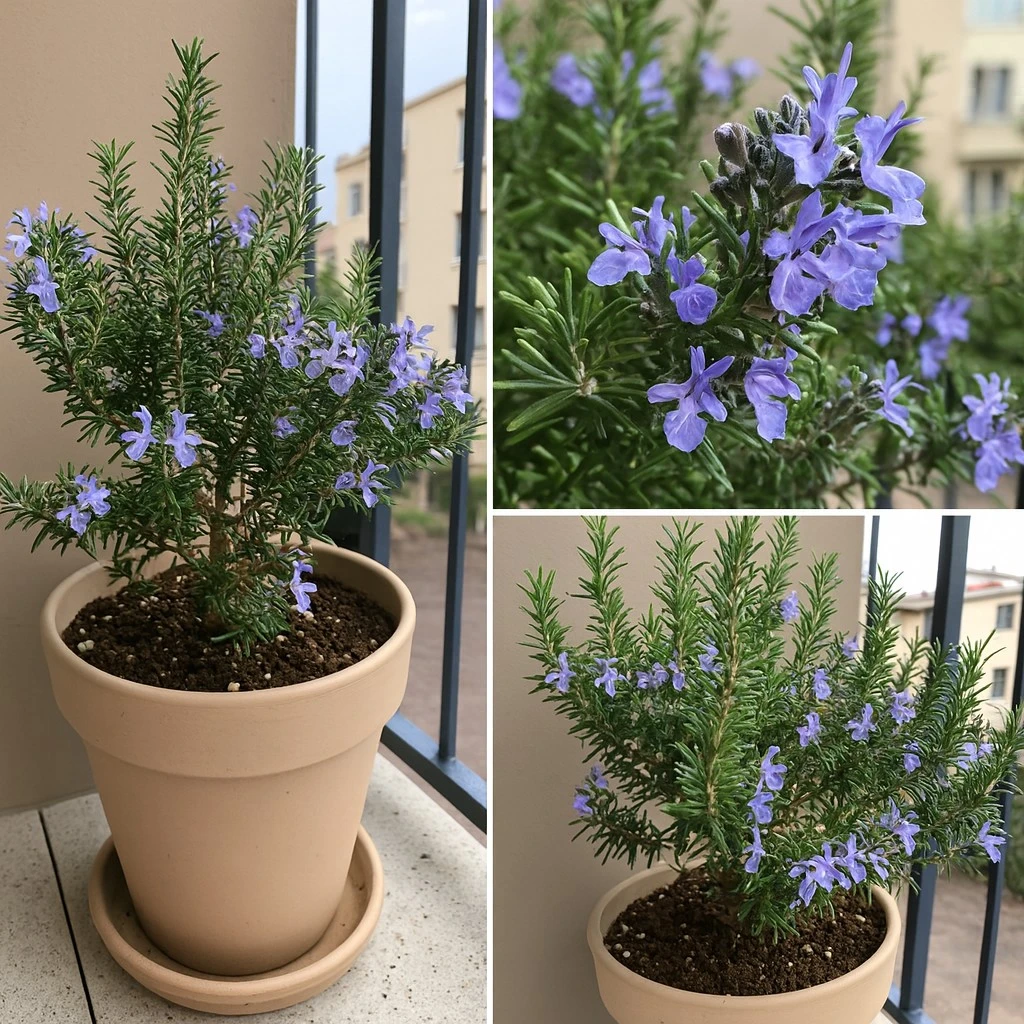
You can grow rosemary at home on a windowsill, on a balcony, or on a terrace. To thrive, it needs the right conditions. It is not demanding, but it does require plenty of light, a dry environment, and well-draining soil. If you give it a little attention, it will reward you with a plentiful, fragrant harvest that you can use in cooking and in your home medicine cabinet.
1. Choose a suitable location
Rosemary loves the sun. Place it on a south- or west-facing windowsill, where it will receive at least 6–8 hours of direct light daily. In summer, it benefits from warmth and plenty of fresh air, so you can safely move it outdoors. During the winter months, place the plant as close to the window as possible so it gets enough light even during shorter days. If your home is too dark, supplemental lighting with an LED grow light for herbs can help.
2. Choose the right pot
Rosemary has a strong root system and therefore needs a deeper pot – at least 20 cm deep. The pot must have drainage holes at the bottom to prevent water from accumulating around the roots. A terracotta pot is ideal, as it allows excess moisture to evaporate more easily and lets air reach the roots. If you plan to grow multiple plants, choose larger containers, as rosemary tends to spread as it grows.
3. The right soil
Rosemary needs light, well-draining, and airy soil. A potting mix designed for herbs is best; mix in perlite, sand, or fine gravel to help prevent waterlogging. Place a drainage layer of expanded clay pellets or small stones at the bottom of the pot so excess water can drain freely. Rosemary does not tolerate heavy, clay-based soils – they retain water and cause root rot.
4. Ideal temperature
Rosemary prefers warmth and dry conditions, but direct frost will damage it. In summer, it thrives at temperatures around 20–30 °C. In winter, move it to a cooler room if outdoor temperatures drop below 5 °C. The ideal winter temperature is 10–15 °C. A lack of light and very low humidity can cause the plant to dry out – in that case, provide light misting or use a humidifier nearby.
5. Watering with care
Rosemary is sensitive to overwatering, so the rule is: less is more. Water only when the top layer of soil has completely dried out. In summer, watering 1–2 times a week is usually sufficient; in winter, once every 14 days is enough. Use lukewarm, settled water, never ice-cold. If the leaves start to curl or turn yellow, it is a clear sign that the plant is getting too much water.
6. Diseases and pests
The most common problems when growing rosemary are insufficient light and overwatering. If aphids or spider mites appear, spraying with soapy water or neem oil will help. It is also important to ensure good air circulation to prevent mold. Rosemary loves dry air, so you don’t need to worry that normal household conditions will harm it.
7. Fertilizing and nutrition
Rosemary is not demanding when it comes to nutrients, but occasional feeding is beneficial. Use a liquid fertilizer for herbs once a month during spring and summer. Avoid fertilizers with a high nitrogen content – while nitrogen promotes leafy growth, it weakens the herb’s characteristic aroma. In autumn and winter, reduce fertilizing or stop completely so the plant can rest.
Summary
Rosemary is a rewarding herb that can last for many years with proper care. All it needs is plenty of light, dry soil, moderate watering, and occasional nutrition. By growing it in a pot, you can have it within reach all year round, whenever you want to add a fresh sprig to meat, roasted potatoes, or homemade tea. With a little care, rosemary will become a permanent decoration of your kitchen and your home.