Article content
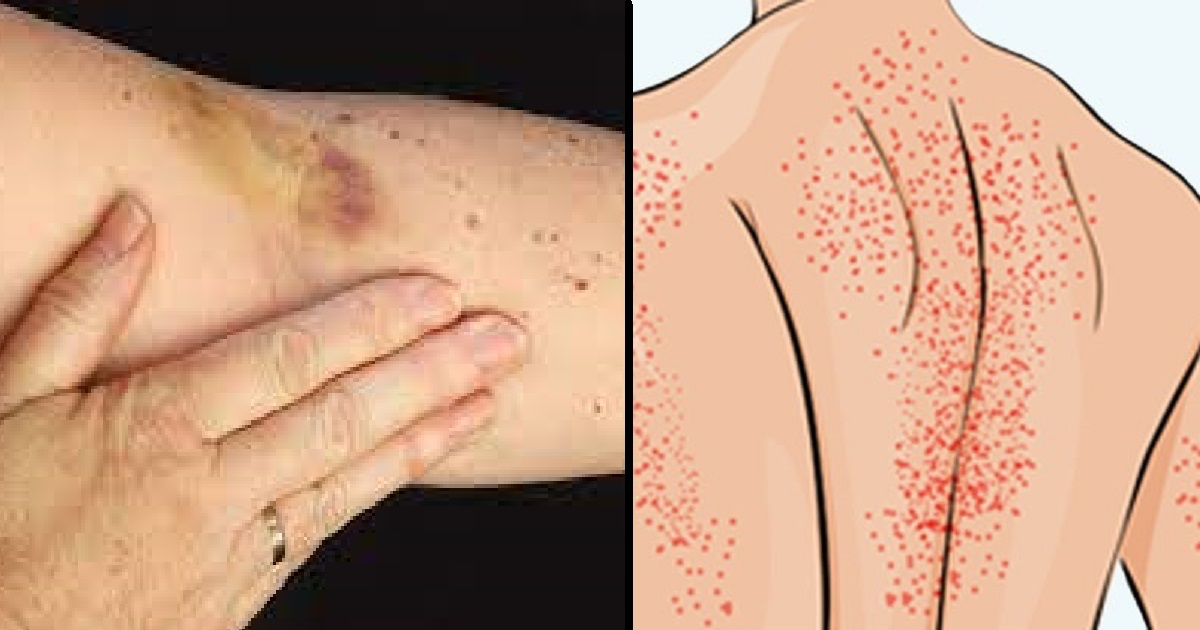
If you tend to bruise easily or your skin often itches, it may be a signal that your liver is not functioning properly. The liver is the largest internal organ and the largest internal gland in the human body. This organ plays a key role in many bodily functions. It helps detoxify the blood and improves digestion.
What functions does the liver perform? The liver produces bile, which helps break fats into small pieces, making them easier to absorb in the digestive tract. In addition, the liver has other important tasks:
- Storage of certain vitamins
- Storage of glucose
- Conversion of stored glucose for the body when blood sugar is low
- Processing of hemoglobin, insulin and other hormones
- Conversion of ammonia into urea
- Removal of old red blood cells
What symptoms may signal a liver problem?
1. Bruising
According to the National Institute of Diabetes and Digestive and Kidney Diseases, people with liver damage are more prone to bruising. They may also bleed more easily, which is a result of impaired liver function that prevents the production of proteins needed for blood clotting.
2. Itching of the skin
Skin itching is often associated with liver disease. According to the Mayo Clinic, it can also be caused by cancer, thyroid problems, or kidney failure. The itching usually affects the whole body and the skin may appear normal, aside from repeated scratching.
3. Swelling
If the liver does not perform its role properly, people may suffer from fluid retention in the body, most often in the legs and abdomen. This problem causes swelling, according to the Mayo Clinic.
4. Yellowing of the skin
Yellowing of the skin is one of the first signs of liver damage. It occurs due to the accumulation of bilirubin (a yellow pigment in the blood). Once the liver is damaged, it cannot properly filter toxins, which leads to a buildup of bilirubin in the blood, affecting the color of the skin, eyes, nails and fingertips.
5. Change in stool and urine color
According to The Health Service, the color of stool and urine can also change. Stool tends to be pale, while urine has a dark color.
When is it necessary to consult a specialist?
If any of these symptoms appear, it is important to seek medical help immediately. Some symptoms may not be immediately apparent and up to half of people with liver disease show no symptoms. Mild symptoms include fatigue, occasional itching or nonspecific pains. However, if you have severe symptoms, liver damage can be very serious and may lead to irreversible deterioration of health.
Conclusion
A damaged liver can have serious consequences for the entire body, and if symptoms worsen, they can cause confusion, disorientation, fatigue and even threaten mental functions. In extreme cases, a liver transplant may be necessary. Therefore it is important to take care of liver health and respond to symptoms in a timely manner.