Article content
Smoking meat is one of the oldest preservation techniques and at the same time a ritual passed down through generations in Czech families. The scent of wood, slow time and careful work — all of this creates a flavor that no industrial speeding-up methods can replace. This article will provide you with a comprehensive guide on how to smoke pork like a true master.
The roots of smoking: why meat was smoked centuries ago
Smoking arose as a way to preserve meat through a long winter. After the slaughter, the meat was salted, left to rest and then slowly smoked in the smoke of hardwood. The smoke not only protected the meat from spoiling, but also gave it a taste and aroma that is still considered irreplaceable today.
Even though we have modern electric smokers and probe thermometers, the principle remains the same: time + temperature + quality wood = perfect homemade smoked meat.
Which parts of the pig are best for smoking
- Pork neck and chops – juicy meat ideal for hot smoking.
- Shoulder and ham – suitable for long smoking or traditional hams.
- Ribs and tenderloin – tender meat that easily absorbs smoke.
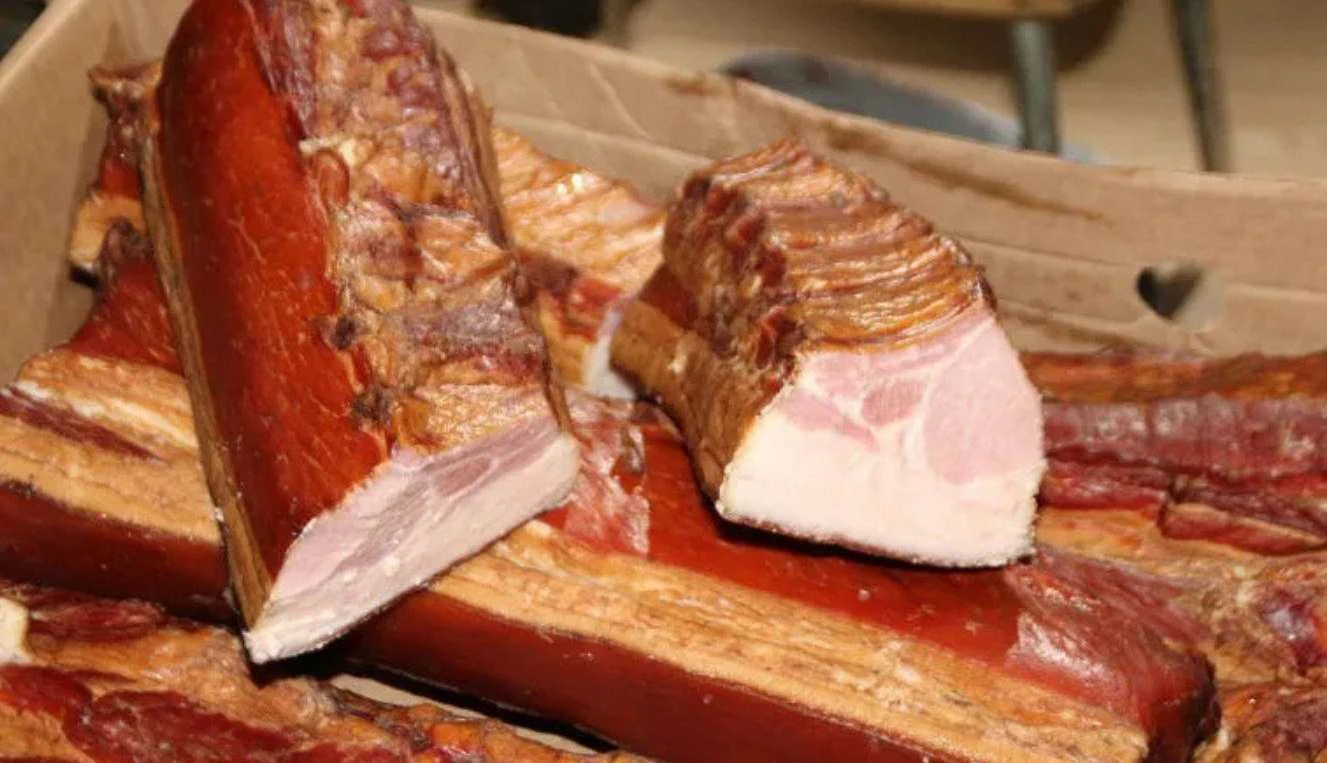
- Bacon, pork trimmings, knuckle, ears or skin – each part gains its specific texture.
Traditional recipe: hot-smoked pork shoulder
This method is a classic known in most Czech villages.
Ingredients
- approx. 1 kg pork shoulder
- coarse salt
- pepper
- garlic
- a pinch of sugar
Procedure
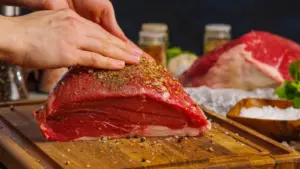
- Thoroughly salt the meat, rub in the garlic, pepper and a pinch of sugar.
- Let it rest for 7 days in a cool place and turn the meat every day.
- After a week soak the meat in water for several hours to remove excess salt.
- Let the meat dry completely – this is the key step.
- Smoke at a temperature of 75–80 °C for 4–5 hours.
- After smoking let the meat rest for 24 hours in a cool place.
Bavarian method: scalded and gently smoked ham
Ideal for those who like a milder flavor and a soft ham texture.
- Briefly simmer a large piece of ham (approx. 5 kg) with bay leaf and pepper.
- Leave it overnight in dark beer.
- The next day dry it and smoke for 1 hour at 60–80 °C.
Secrets of master smokers
1. The quality of the wood determines the result
- Beech – a stable classic.
- Oak – a more pronounced flavor.
- Cherry – a gently sweet aroma.
- Plum – ideal for bacon.
- Apple and pear – a sweeter tone suitable for lean meats.
- Walnut – use sparingly, it is intense.
Never use conifers. Resin gives the meat bitterness and toxic substances.
2. The meat must be perfectly dry
Wet meat = sour taste, gray spots and uneven smoking. Properly dry meat is one of the most important steps.
3. Temperature must not fluctuate
Sharp temperature swings will cause the surface to dry out and the center to remain underdone. Smoking requires patience – no rushing.
How to use smoked meat in the kitchen
- Shoulder and neck – excellent on a plate, open sandwiches and with beer.
- Ribs – perfect for soups, cabbage or beans.
- Homemade ham – great for sandwiches or festive platters.
- Bacon and cracklings – will elevate even plain potatoes.
Why it’s worth smoking at home
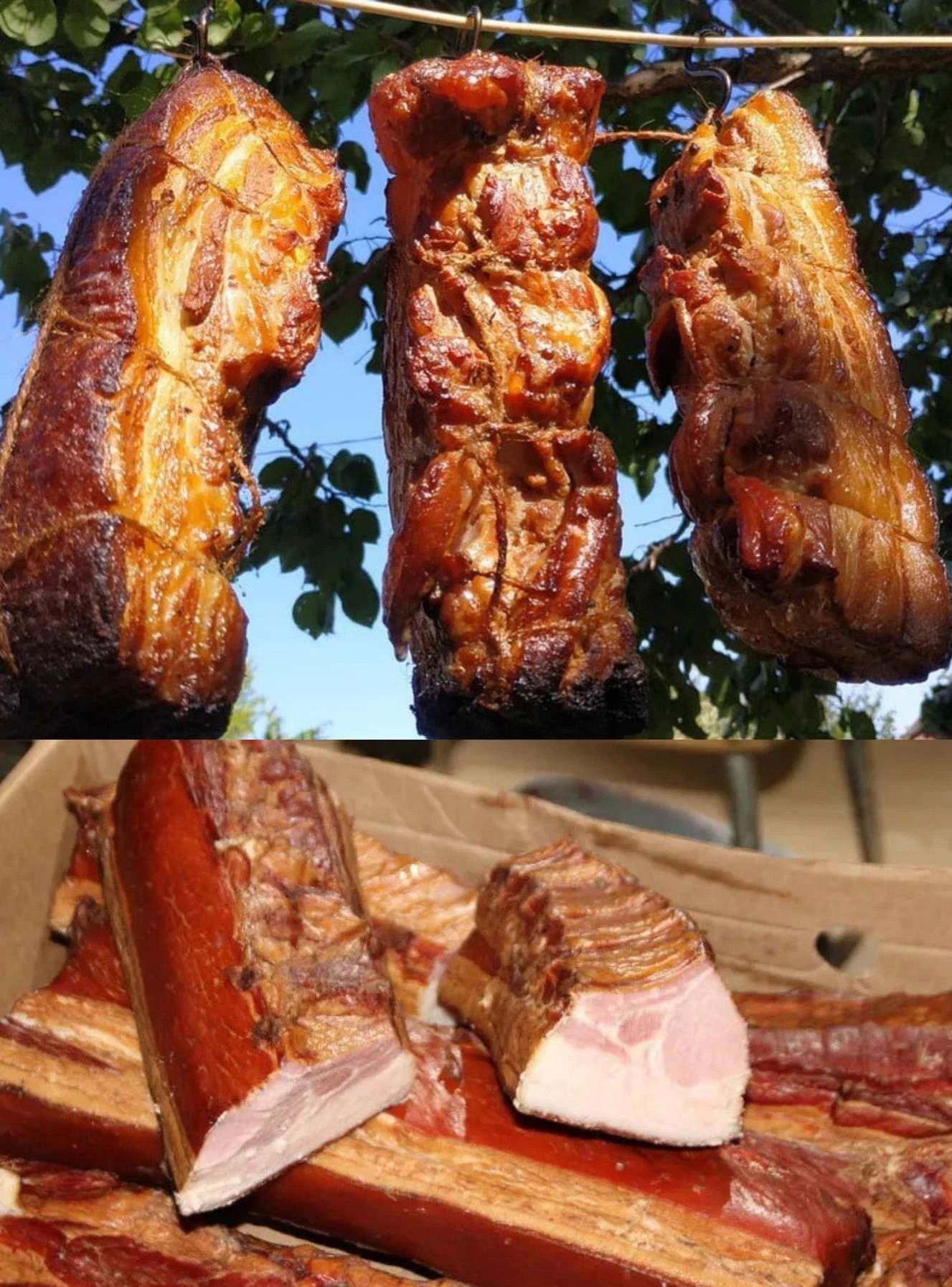
Homemade smoked meat contains only: meat – salt – spices – wood. Without preservatives, colorings and substitutes. The taste and quality are incomparable with industrial production.
Conclusion
Smoking is a beautiful craft combining tradition, patience and honest work. If you follow the correct procedures, temperatures and choice of wood, you can create at home a smoked product whose taste will surpass even professional products.