Article content
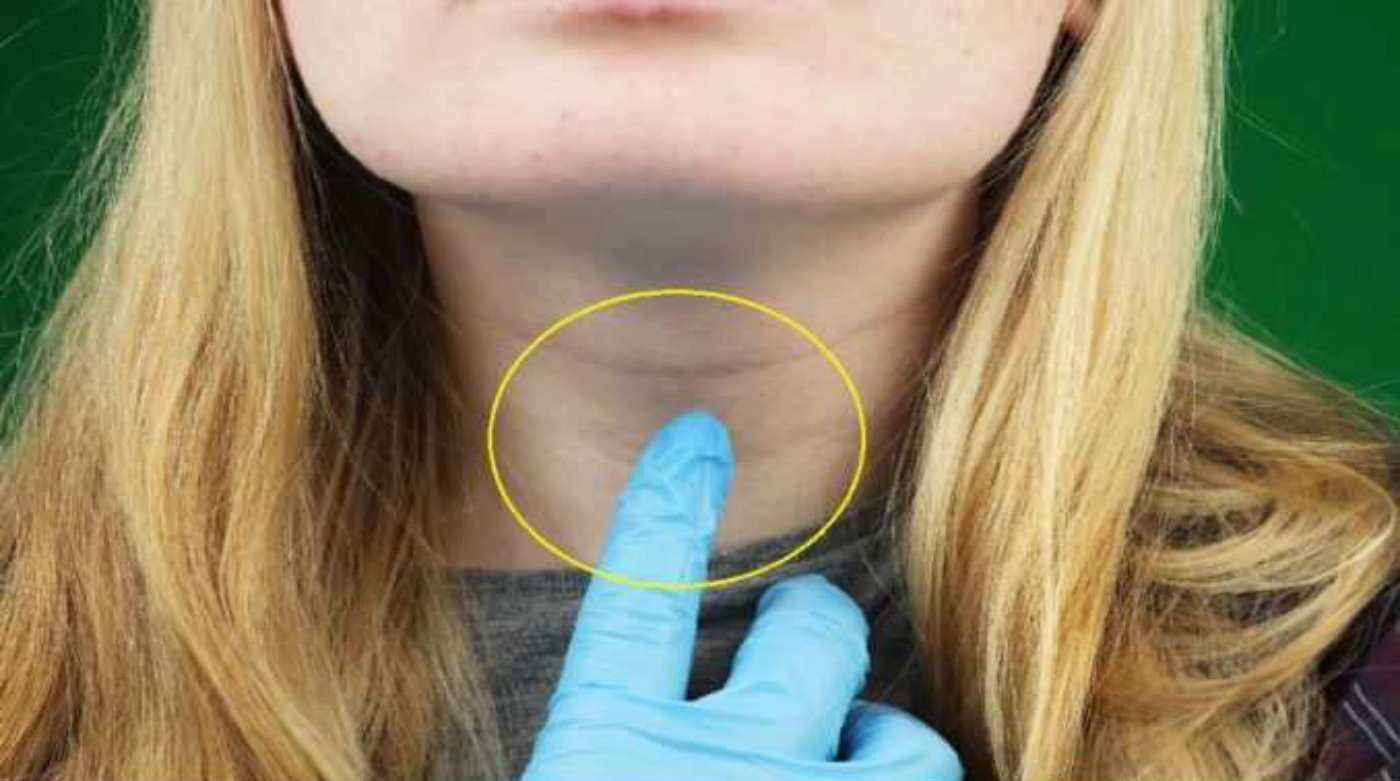
The thyroid gland is a small butterfly-shaped organ located in the neck. Although unassuming, it plays a crucial role in the functioning of the whole body. It produces hormones that regulate metabolism, affect brain activity, the heart, digestion, and mental well-being. When its function is disrupted, it affects health very quickly.
Many people, however, ignore the warning signs or mistake them for other illnesses. Doctors warn that if you notice several of the following symptoms, you should seek professional help as soon as possible. Early diagnosis can prevent serious complications.
1. Sudden weight changes
Unexplained weight gain may indicate hypothyroidism — a deficiency of thyroid hormones. Conversely, rapid weight loss is often associated with hyperthyroidism, when the body produces too many of these hormones. Hypothyroidism is more common and mainly affects women.
2. Changes in pulse and heart activity
Thyroid hormones directly affect the heart. With hypothyroidism the pulse can be slowed, while hyperthyroidism causes heart palpitations, a faster heartbeat, and increased blood pressure.
3. Fatigue, nervousness and concentration problems
If you feel exhausted, irritable, or suffer from anxiety for no reason, it may be a hormonal imbalance. Hypothyroidism often manifests as fatigue and depression, while hyperthyroidism tends to lead to tension and nervousness.
4. Hair loss and skin changes
Excessive hair loss is a common symptom of both conditions. Dry skin, brittle nails, or impaired wound healing may also occur.
5. Muscle and joint pain
Sudden pains in muscles, joints, or tendons can be the result of a hormonal disorder. They often appear without physical exertion.
6. Fertility and menstrual problems
An imbalance of thyroid hormones affects reproductive health. In women it shows up as irregular or heavy menstruation, in men as reduced fertility.
7. Changes in the neck and voice
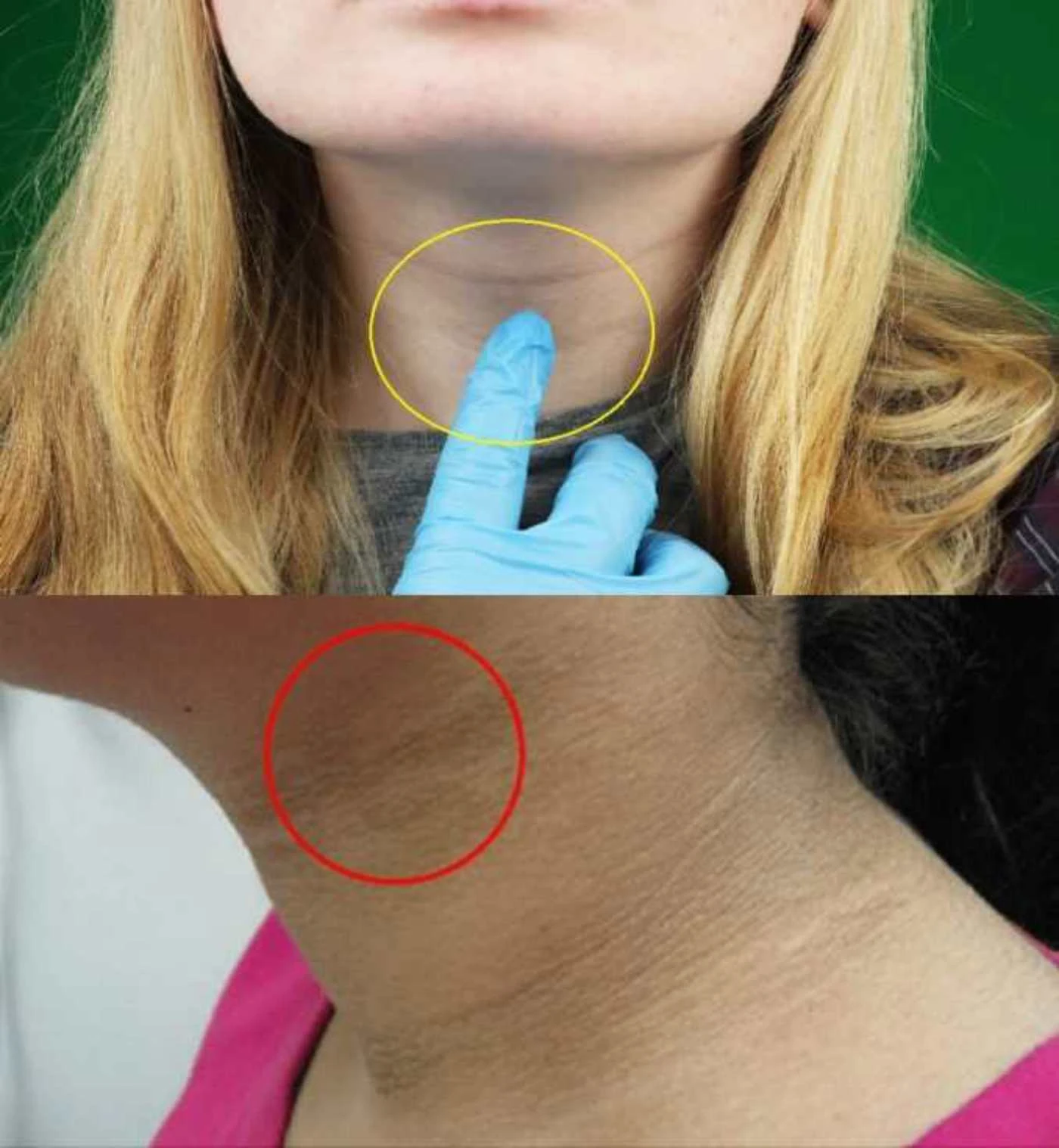
An enlarged thyroid gland can cause pressure in the neck, hoarseness, snoring, or pain when swallowing. In some cases visible nodules also appear.
8. Excessive sweating and heat intolerance
Excessive sweating and feeling overheated can be a sign of hyperthyroidism. A sped-up metabolism produces more heat than usual.
Summary
The thyroid gland is crucial for the health of the entire body. Its disorders – hypothyroidism and hyperthyroidism – can cause dozens of symptoms. If you notice more than two of them, do not hesitate to see a doctor. Proper treatment can significantly improve quality of life and prevent serious complications.